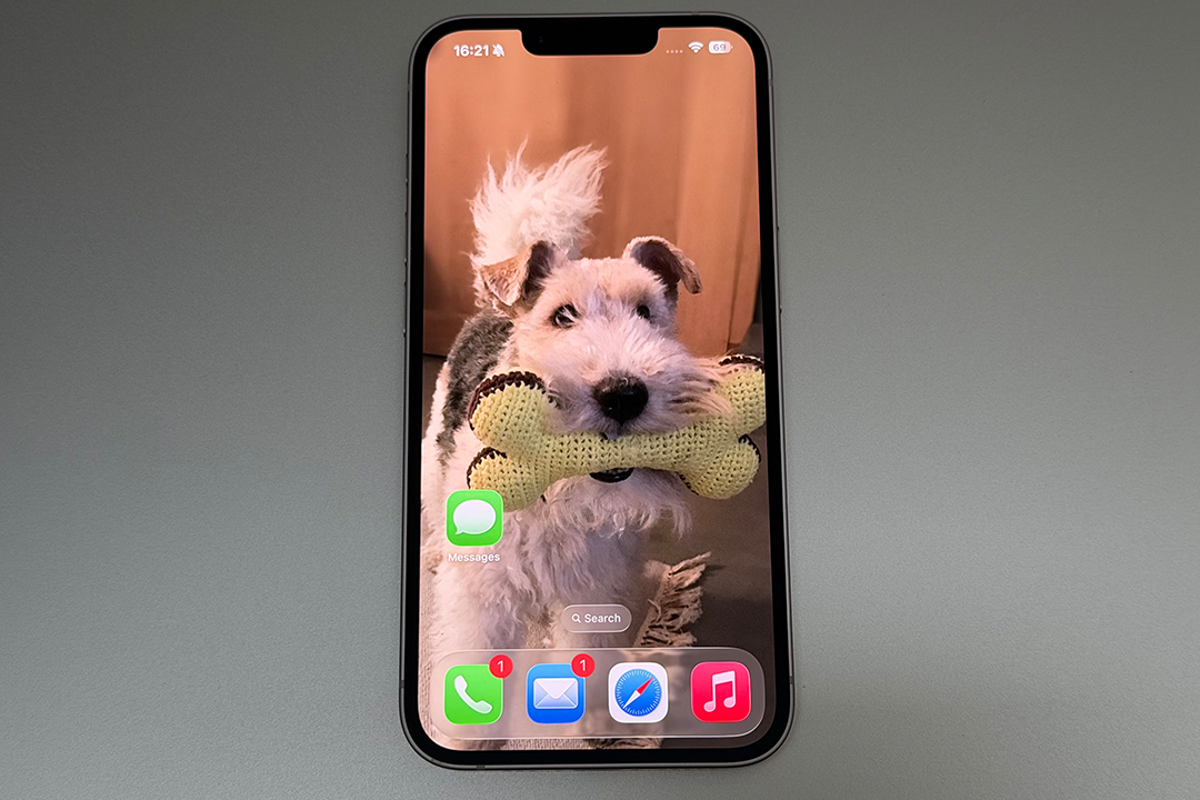
Apple’s latest affordable smartphone landed this month, and I’ve been putting the iPhone 17e to the test since its launch to see whether it actually delivers the performance as well as the price. Sitting just below the regular iPhone 17, it’s a more accessible route into the iOS ecosystem, without having to hammer open the piggybank.
The conundrum for Apple has been that its always advertised its smartphones as premium devices, with immaculate build quality, an intuitive interface and smooth performance. When the company wants to produce something more affordable, what does it sacrifice? Apple has kept down the price by including just one camera (though with the same 48MP resolution as the tech giant’s pricier phones) and eliding some of the most recent upgrades found on top-of-the-range iPhones.
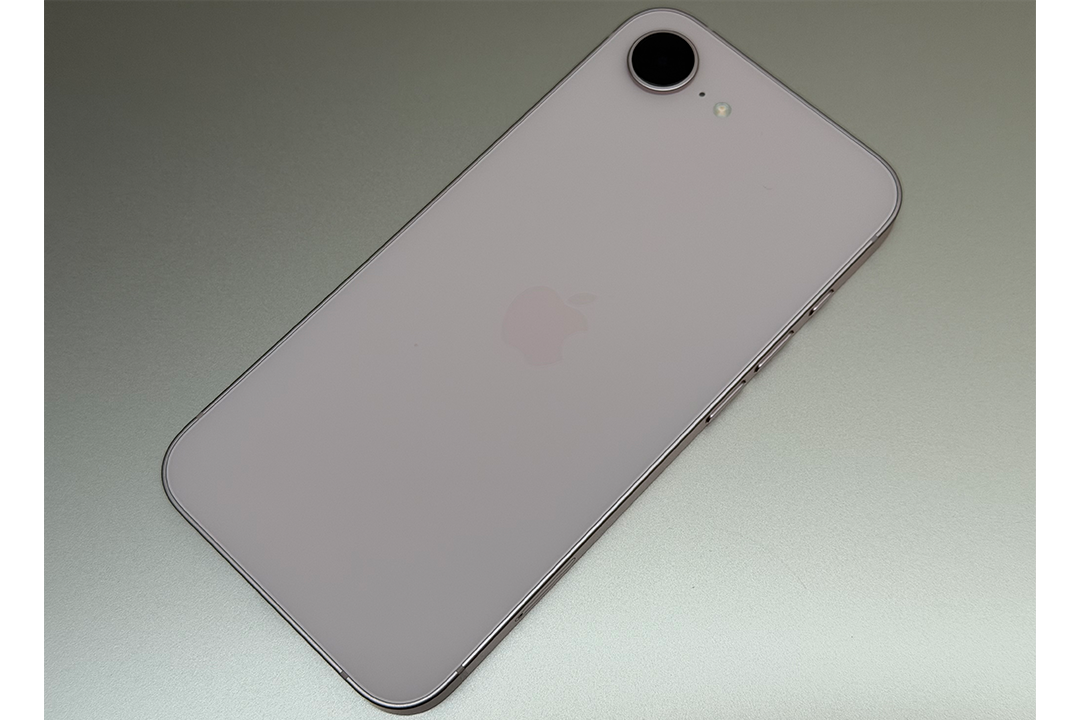
A successor to the iPhone 16e, it looks largely similar, but a new soft pink colourway has been added to the line-up. The other upgrades, however, are all on the inside and are arguably much more interesting. They include a new processor, upgraded modem, double storage and, my favourite, the arrival of MagSafe. But at just £200 less than the cost of the iPhone 17, is it worth just saving up a little bit more to get that model?
Read more: iPhone 17 Pro and Pro Max, reviewed by a tech critic
How I tested
The iPhone 17e has been my daily driver since just after it was announced. I checked how easy it was to set up by moving data from my regular phone and then how the apps performed compared with my usual iPhone 17 Pro Max. I took photos and shot video, listened to music and sent messages, while considering the following criteria:
- Design: I noted the ergonomics of the phone’s design while in use, as well as general practicality and ease of navigation.
- Performance: I assessed the all-new processor in Apple’s latest budget iPhone to see how it affects performance and compatibility with the latest features, such as Apple Intelligence.
- Camera: I considered how well the iPhone 17e’s single camera performed, and how well it holds up against the cameras on pricier iPhones.
- Battery life: Above all, I monitored how battery life is affected – there’s no point in saving money on a cheaper iPhone if it runs out of juice by lunchtime.
Read more: The best Apple Watches, tried and tested
Apple iPhone 17e
Display: 6.1in OLED, 120Hz, 2,532 x 1,170px, 460ppi
CPU: Apple A19
Storage: 256GB / 512GB
Size: 146.7mm x 71.5mm x 7.15mm
Weight: 169g
Main camera: 48MP
Selfie camera: 12MP
Why we love it
- Features MagSafe
- Double storage
- Ceramic Shield 2
Take note
- Only one camera
- Limited colourways
iPhone 17e design
The external design is almost unchanged from the iPhone 16e, which launched a year ago. True, there’s that new soft pink colourway, but if you choose the black or white option, you won’t be able to tell the difference easily between the two phones.
Compared with the iPhone 16e, the dimensions and weight are the same, as is the frosted glass rear with a single camera in the top left corner. The anodised aluminium antenna band, colour-matched to the back of the phone, is also unchanged.
For those of you hoping the new budget phone will feature Apple’s camera control button, you’ll be disappointed. This useful feature was introduced last autumn on the iPhone 17, but hasn’t made it onto the cheaper 17e model.
There is one other quite big external change, but you won’t be able to see it, at least not at first. That’s because the iPhone 17e display is now covered by something more durable than before. The iPhone 16e had what’s called “ceramic shield”, designed to protect against shattering if you drop the phone. The new phone has been blessed with “ceramic shield 2”, which promises better protection against scratches. What that means is those insidious little marks that used to creep in because you happened to put the phone into a less-than-pristine environment, such as your jam-packed bag, should be less evident.
Inside the phone, the biggest design change is the inclusion of MagSafe – that neat circle of magnets for wireless charging. MagSafe means that you can’t accidentally put the phone on a charging pad in the wrong position, so that it doesn’t charge. Instead, it locks into place easily. There were no MagSafe magnets in the iPhone 16e, and it was a nuisance. It may sound like a small update, but if you enjoy the convenience of wireless charging, it makes a big difference. Apple now has MagSafe on every phone it sells. In comparison, even the most expensive Samsung phone, such as the Galaxy S26 Ultra, does not have the Android equivalent, the similar magnet arrangement that complies with the Qi2 charging standard. On the iPhone 17e, MagSafe is accompanied by faster wireless charging.
iPhone 17e display
Apart from the ceramic shield 2 overlay, the display on the iPhone 17e is unchanged from last year’s model. That means it has a great-looking screen, but it lacks the 120Hz refresh rate that makes the iPhone 17 (and all of Apple’s other pricier iPhone displays) look so smooth. It also enables the brilliant always-on display on the premium models. It was a very long shot that the faster refresh rate would come to the iPhone 17e – after all, until last September it had never been on any iPhone outside the Pro versions – but it means that the display, while effective, is not outstanding. It’s one of the most pressing reasons that you may prefer to upgrade to the iPhone 17.
The other thing the 17e lacks is the dynamic island – the eye-catching way Apple overcame the necessity of a cut-out at the top of the screen and turned it into a virtue. Again, it was unlikely Apple would want to put that on its most affordable model, where the cutout that holds the Face ID sensor and front-facing camera remains as it did on the previous model.
iPhone 17e camera
There’s just one camera on the iPhone 17e, but like on the iPhone 17, it’s a 48MP sensor, so it takes great shots. Many of Apple’s advanced computational photography features are included here, which pushes the sensor further.
Apple has designed the interface so that you can tap the 2x button to zoom in. It reduces the resolution to 12MP, which is still enough to deliver a good picture. Video-taking is also strong.
Of course, the multiple cameras on the iPhone 17 and especially the iPhone 17 Pro give you more versatility, but the camera here is very good.
The front-facing camera is also unchanged, taking the form of a 12MP sensor.
iPhone 17e performance
The headline upgrade on this phone is the all-new processor, continuing an Apple tradition of putting the latest chip in its most affordable handset. It’s the key ingredient that ensures strong performance and, for instance, compatibility with the latest features such as Apple Intelligence.
The A19 processor is also found in the iPhone 17, though this version has one fewer graphics core, so it’s not quite the same. Nonetheless, in testing, I found the phone to be lightning-fast and capable of regular tasks effortlessly.
In one respect, the iPhone 17e is actually better than the iPhone 17: it has the latest in-house modem from Apple, the C1X, which has only appeared on one iPhone before, the much pricier iPhone Air.
It’s known for being especially energy-efficient, so it will be useful in a smaller phone like this, helping to keep the battery life up.
The C1X can’t handle mmWave (an advanced form of 5G), but that hasn’t made it to the UK yet, so it’s not a problem at the moment.
iPhone 17e battery life
The iPhone 17e is the smallest iPhone, even though the 6.1in display makes it larger than the tiny phone that SE models were. Because it’s smaller, it’s no surprise that the battery doesn’t last quite as long as the iPhone 17. But there’s not much in it: while I wasn’t left with 30 per cent in the tank as often happens with the iPhone 17 Pro Max, it was never low enough to make me panic it would give up before the evening was out.
Buy now £599, Apple.com
The best iPhone 17e contract deals
Is the iPhone 17e worth it?
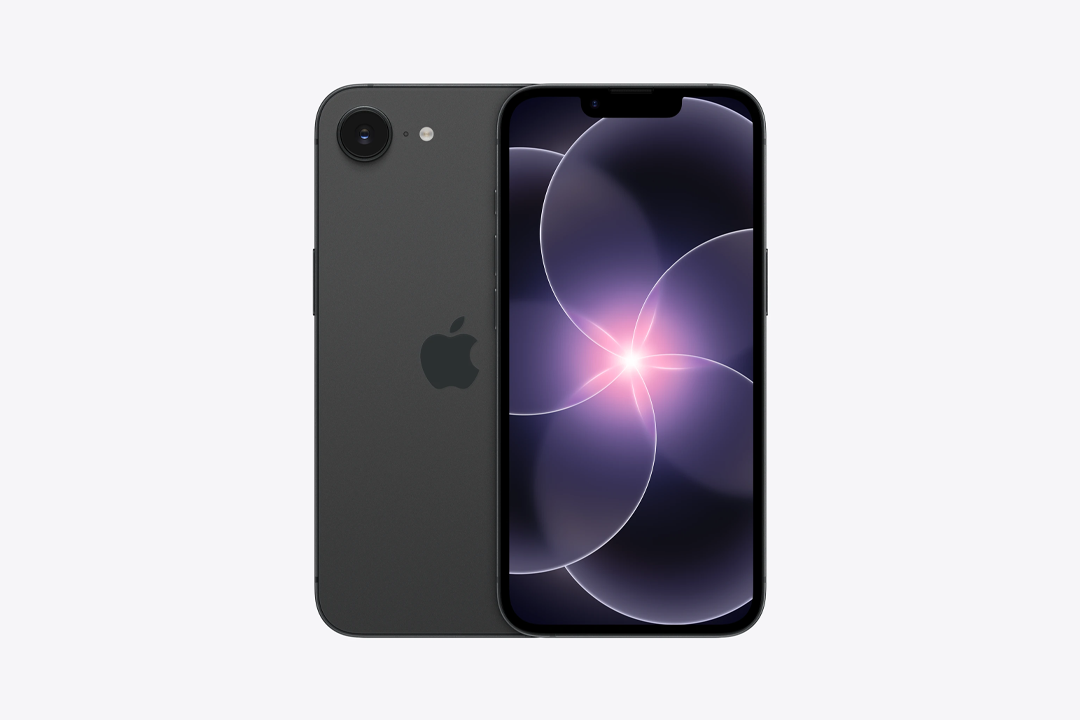
The arrival of the fast A19 processor, MagSafe, double storage (at no extra cost) and ceramic shield 2 make the iPhone 17e a decent upgrade to the iPhone 16e, and a welcome addition to the iPhone range.
The new colour, soft pink, is appealing – though some extra colourways wouldn’t have hurt. For those, as well as a second camera, a bigger and better display, dynamic island and the handy camera control button, you need the iPhone 17. If you can afford the extra £200 for the iPhone 17, my advice would be that you should go for it, as it’s easily the best non-Pro phone Apple has yet made.
On the other hand, if you shop around, you can find the iPhone 16e at lower prices, while stocks last. I’d say the 17e is still the better choice. The upgrades mentioned above make it a significant improvement over last year’s model and a great phone for any user wanting a premium phone at a much less than premium price.
Why you can trust IndyBest reviews
David Phelan has been testing and writing about smartphones for years, from the very first iPhone to the AI-powered flagships of today. His rigorous, real-world testing process involves using each handset as his primary device, enabling him to go beyond specs on a sheet to understand how a phone truly performs day to day. This hands-on approach, combined with extensive industry insight, ensures that his reviews are based on his honest, unbiased and expert opinion.
Want more recommendations? Check out our guide to the best wireless chargers