We've all had that moment. You open the fridge, stare at a random egg, half an onion, a lonely slice of bread, and somehow convince yourself there's absolutely nothing to eat. Before reaching for a food delivery app, it might be worth taking a second look. Some of the easiest, cheapest, and surprisingly satisfying meals come from ingredients already sitting in your kitchen. This guide is for those days when your grocery list is empty, your motivation is low, and hunger is very real. Because "nothing at home" is often just a creative meal waiting to happen.
When “Nothing to Eat” Usually Means “Nothing Easy”
There is an important difference between having no food and having no obvious meal.
Most people who claim they have “nothing at home” usually still have random ingredients scattered across cabinets, freezers, or refrigerators. The real problem is often energy, motivation, or decision fatigue rather than total emptiness.
Modern life makes cooking feel harder than it should sometimes. People are busy, overstimulated, exhausted, and constantly switching between tasks. After long days, even deciding what to eat can feel mentally draining.
That is why low-effort meals matter.
Simple meals built from flexible ingredients reduce stress because they remove pressure from cooking. They also help save money, reduce food waste, and make everyday eating feel more manageable.
Gen Z especially has become more open about realistic cooking habits online. Instead of pretending every meal needs aesthetic perfection, many younger people now prioritise convenience, comfort, affordability, and practicality.
Which honestly feels healthier than pretending everyone naturally wakes up wanting to handcraft gourmet rosemary-infused something at midnight after surviving twelve hours of notifications.
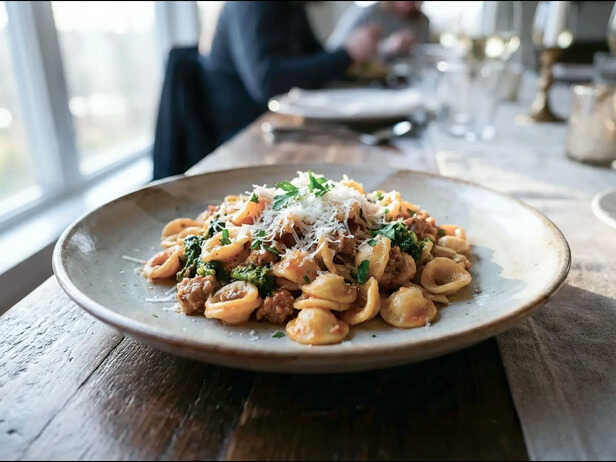
Pasta Saves Almost Every Situation
Pasta is probably the most reliable “nothing at home” ingredient ever created.
Even when kitchens feel empty, there is often at least one forgotten box of pasta hiding somewhere behind snacks, expired sauces, or mysterious canned goods nobody remembers buying.
One reason pasta works so well is flexibility. It pairs easily with butter, garlic, olive oil, cheese, eggs, canned tomatoes, frozen vegetables, or leftover proteins.
Simple pasta meals do not require complicated recipes to feel satisfying. Garlic butter pasta, tomato pasta, spicy noodles, or even plain buttered noodles with seasoning can feel comforting during stressful or low-energy days.
Many cultures also rely heavily on simple starch-based meals because they are affordable, filling, and easy to customize.
Another reason pasta feels emotionally comforting is familiarity. Many people associate it with home cooking, family dinners, or childhood meals. Familiar foods often reduce mental stress during overwhelming days.
Interestingly, research around comfort food suggests that familiar meals may create feelings of emotional stability because they are connected to memory and routine.
Human beings truly mastered emotional survival the moment somebody discovered carbohydrates plus melted cheese could temporarily improve morale.
Eggs Quietly Fix Everything

Eggs remain one of the most practical ingredients for quick meals because they work in almost every situation.
Breakfast, lunch, dinner, snack, or emergency survival meal during financially questionable weeks, eggs adapt to nearly anything.
Scrambled eggs, omelettes, fried rice, egg sandwiches, instant noodle upgrades, toast toppings, or vegetable stir-fries all become possible with minimal ingredients.
Eggs also provide balance. They add protein, texture, and richness to meals built from otherwise simple pantry ingredients.
One reason eggs are especially helpful for younger adults is affordability. Rising food prices have pushed many people toward budget-friendly cooking, and eggs often remain relatively accessible compared to more expensive proteins.
Another advantage is speed. Most egg-based meals take less than fifteen minutes to prepare, which matters when burnout or exhaustion makes cooking feel overwhelming.
Simple meals are often more sustainable emotionally because people are actually capable of making them consistently.
Toast Is Basically a Meal Platform
Toast has evolved far beyond breakfast.
At this point, bread functions less like a side item and more like an edible support system for random ingredients people need to finish before they expire.
Toast-based meals work because they simplify cooking dramatically. Almost anything becomes a meal when layered onto bread thoughtfully.
Eggs, peanut butter, avocado, hummus, beans, cheese, tomatoes, yogurt spreads, leftovers, sautéed vegetables, or canned fish can all become surprisingly satisfying toast combinations.
This approach also helps reduce food waste because small ingredient portions suddenly feel useful again instead of forgotten.
For younger audiences especially, toast meals have become popular because they feel customizable and low-pressure. They require minimal effort while still allowing variety depending on mood or available ingredients.
Toast also supports the growing preference for smaller, flexible meals rather than heavily structured eating routines.
And honestly, during emotionally exhausting days, placing food on toasted bread somehow tricks the brain into believing life remains partially organized.
Rice Bowls Make Random Ingredients Feel Intentional
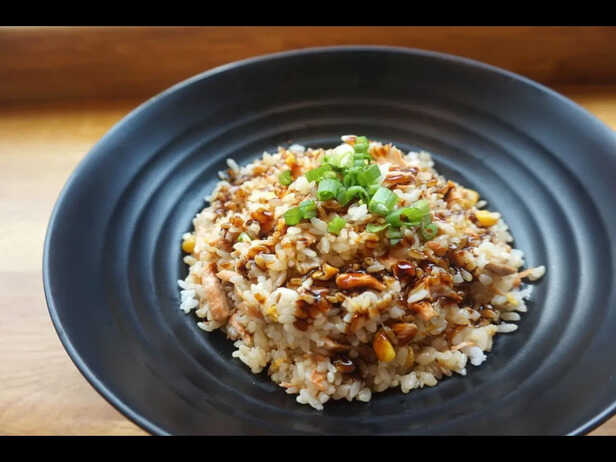
Rice bowls are one of the easiest ways to transform random leftovers into something that feels like a real meal.
Rice itself acts as a neutral base that pairs well with vegetables, sauces, eggs, beans, chicken, tofu, frozen foods, or leftovers from previous meals.
One reason rice bowls work so well is because they reduce perfectionism around cooking.
There is no strict formula. Ingredients do not need matching aesthetics or complicated preparation. People can combine whatever exists in the kitchen without overthinking presentation.
This flexibility matters because decision fatigue often makes cooking harder than necessary. When people feel mentally tired, highly structured recipes can feel exhausting.
Frozen vegetables, leftover roasted vegetables, soy sauce, spicy sauces, eggs, or canned ingredients often create surprisingly satisfying combinations without requiring expensive groceries.
Rice bowls also reflect broader food trends among younger generations. Many people now prefer practical meals that balance affordability, convenience, and comfort rather than highly performative cooking trends online.
Instant Noodles Are Not the Enemy
Instant noodles have become one of the most recognizable “nothing at home” meals globally.
They are affordable, fast, comforting, and heavily associated with student life, late-night eating, and burnout survival. Despite criticism around processed foods, instant noodles continue existing because they solve practical problems quickly.
Importantly, simple additions can make instant noodle meals feel more filling and balanced.
Eggs, spinach, frozen vegetables, mushrooms, tofu, shredded chicken, or sauces often improve texture and variety without adding major effort.
Many people also enjoy instant noodles emotionally because they feel nostalgic or comforting during stressful periods.
Comfort food is not always about nutrition alone. Emotional familiarity matters too.
The goal is balance rather than guilt.
Younger generations increasingly reject extreme food judgment culture online. People are beginning to recognize that accessible, affordable meals still deserve respect even if they are not perfectly optimized wellness creations arranged beside decorative lemons under cinematic lighting.
Freezers Quietly Save People
Freezers often contain more usable food than people realize.
Frozen vegetables, frozen bread, frozen dumplings, leftover rice, frozen fruit, or prepared meals can quickly become the foundation for low-effort cooking.
Frozen foods are especially useful because they last longer, reduce food waste, and remain accessible during busy or financially difficult periods.
Many nutrition experts also note that frozen vegetables can still retain significant nutritional value because they are often frozen shortly after harvesting.
This challenges the outdated idea that frozen food automatically means unhealthy food.
For younger adults navigating rising grocery costs and demanding schedules, frozen ingredients provide convenience without requiring constant shopping trips.
Simple freezer meals also reduce emotional pressure during stressful weeks when energy levels are low.
Having accessible backup meals available often supports more consistent eating habits overall.
Why Easy Meals Matter More Than Ever
Food culture online sometimes creates unrealistic expectations around cooking.
People are constantly exposed to elaborate recipes, aesthetic meal preparation videos, expensive ingredients, and hyper-optimized wellness trends. While inspiring occasionally, this content can also make ordinary eating feel unnecessarily complicated.
In reality, most people simply need meals that are affordable, manageable, filling, and emotionally sustainable.
Gen Z especially seems increasingly interested in realistic cooking rather than perfection. Budget-conscious meals, comfort food, pantry cooking, and low-effort recipes continue growing in popularity because they reflect real everyday life.
Easy meals matter because survival itself already requires significant mental energy.
Cooking does not always need to become a performance.
Making Peace With Imperfect Meals
The “I have nothing at home” feeling is usually less about empty kitchens and more about exhaustion, stress, low motivation, or decision fatigue. Most people already have enough ingredients to create simple meals once the pressure to cook perfectly disappears.
Pasta, eggs, toast, rice bowls, instant noodles, and freezer staples continue working because they are flexible, affordable, comforting, and realistic for everyday life. They allow people to feed themselves without turning dinner into another overwhelming task.
In 2026, younger generations are increasingly redefining food culture around practicality and emotional sustainability rather than perfection. That shift matters because people deserve meals that fit real lives, not impossible online standards.
At the end of the day, eating something simple is still infinitely better than spiraling dramatically in front of an open refrigerator while pretending mustard and one suspicious cucumber represent complete societal collapse.
Unlock insightful tips and inspiration on personal growth, productivity, and well-being. Stay motivated and updated with the latest at My Life XP.