

Living within walking distance of the shops might seem trivial but for regional Australians, it could be the path to a longer, healthier life.
Residents in well-connected regional towns walk about 75 minutes more a week than those in less walkable areas, research by the Menzies Institute for Medical Research at the University of Tasmania has found.
Even modest improvements in walkability, based on the proximity of homes to everyday amenities, were linked to an extra hour of walking each week.
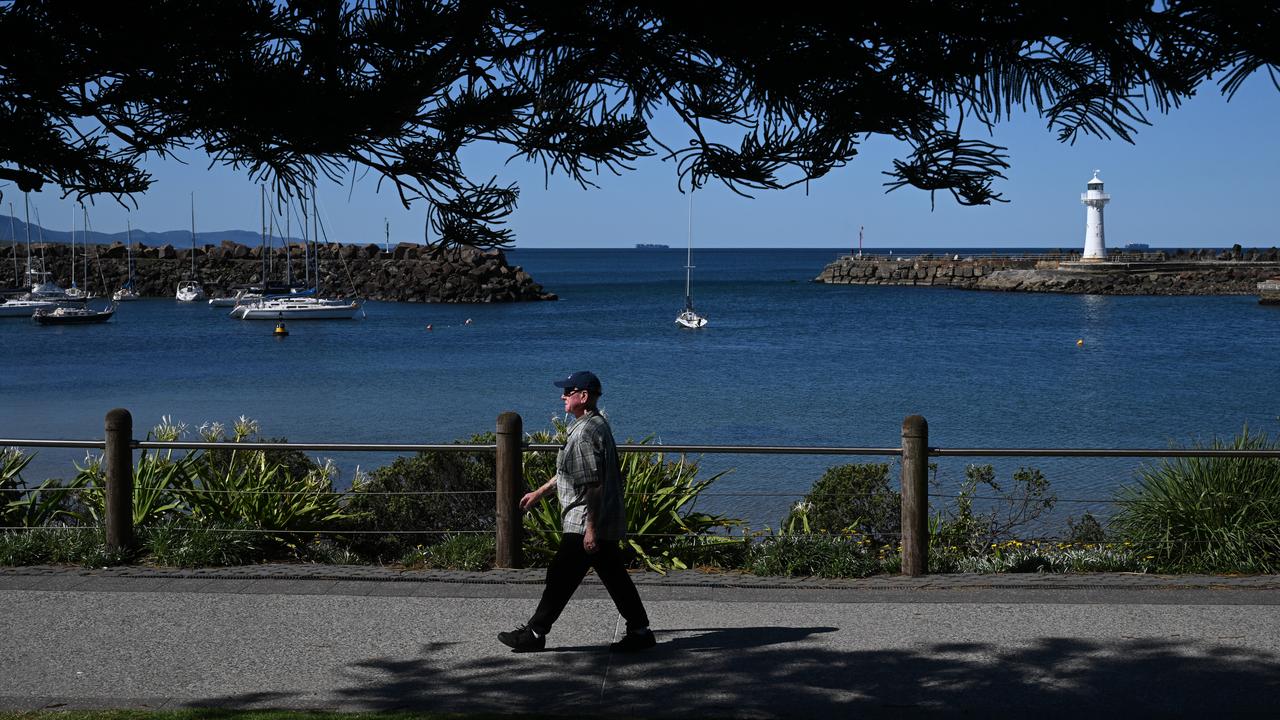
It is only logical people walk more when their surroundings make it easier, but researchers say the size of the effect in regional towns is remarkable.
"It's not a token number," lead author Dr Sharon Campbell told AAP.
"That 75 minutes (of walking) accounts for 50 per cent of the recommended weekly physical activity guidelines, so it's huge."
The study combined detailed mapping of towns across Tasmania with public health data, finding a clear link between an area's walkability and how much its residents exercise.
It is the first study to show well-connected walkways may matter even more in regional and rural areas than in big cities and could be of national relevance.
This suggests town planning has a central role to play in closing the health gap between city dwellers and those further afield, Dr Campbell said.

"Health outcomes are much poorer in regional centres right around Australia," Dr Campbell said.
"By investing in the structures that improve walkability in those regional towns, the bang for buck is huge."
The findings echo what many regional developers, including North West Precinct Community chief executive Brett Anderson, already know to be true.
Mr Anderson is overseeing the design of a new residential precinct in Dubbo, in NSW's central west.
Guided by research linking walkable streets with longer life expectancy, the Gunyah project will situate homes within a short walk of essential services.
"A town that invites you to walk is a town that feels connected, safe and vibrant," Mr Anderson said.

Government planning has traditionally prioritised driveability in regional areas at the expense of walkability, senior author professor Verity Cleland said.
That needs to change if governments are serious about improving public health, she said.
"No matter where you live you should be able to walk around your local area safely and conveniently," Dr Cleland said.
"We need local, state and federal governments to do more to set up regional towns with walkable infrastructure to help boost health, particularly in our regional communities."