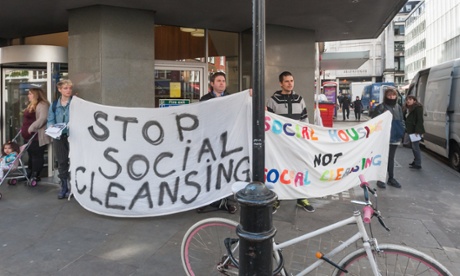
Homes in Oxford now cost an astonishing 16 times the average local salary while across the south-east, the average property price is 12 times the average salary. Perhaps as a result, the south-east has seen the biggest rise in rough sleeping levels with a shocking 96% overall rise since 2010. And in 2013/14, no new social housing was built at all by the region’s local authorities.
This represents a massive political failure to serve the interests of our communities.
Since the post war years public attitudes to housing have changed from finding secure and decent places to live to a simple appreciating financial asset. This trend has continued to the point where purchase is far beyond the reach of people on average incomes, and the private sector rents reflect the higher prices houses and flats now command.
The picture across London and the south-east magnifies the financial disparity with huge property speculation and corresponding unaffordable rent and house prices – the sad result is that people have forgotten that decent housing is a right and not a privilege.
Many hope that the emerging housing movement that has come to life can effectively challenge the powerful cartels of the business-as-usual politicians and the housing developers from whose pockets they feather their own nest eggs.
To tackle the current crisis we should also:
-
Build more social rented homes. We have 1.8 million people currently on the social housing waiting list, and my report highlights a target of 8,650 new social rented homes that should be built across the south east each year.
-
This should be implemented alongside a “right to rent” policy. Homeowners who are unable to meet their mortgage payments and are under threat of repossession would have a right to transfer ownership to the council, at less than market value, in exchange for the right to remain in the home and pay rent as council tenants. This would stop people living under threat of eviction and in fear of not being able to make next months rent.
-
The definition of affordable housing needs reworking. The fact that “affordability” is now defined as a function of market rate, set at up to 80% in some places - rather than local income, has in effect “rendered the word affordable meaningless”.
- Alongside this we should set up a “living rent commission” to explore the possibility of implementing a genuinely affordable rent control policy. A rent control policy that puts an upper limit on rent rises based on average market rates does nothing to help those people who are already struggling to pay excessive rent in the private rental sector. If salaries and benefits rise as predicted, rents need to stay still or even fall as they are out of balance with everything else.
- With over 1m empty properties across Britain and only 17 properties brought back into use last year under Empty Dwelling Management orders - new powers for local authorities to bring empty homes back into use is a no brainer. The decriminalisation of squatting in residential properties would help in this area too.
These and other solutions are outlined in a report I’ve written: “Everyone knows we have a housing crisis: let’s do something about it”.
Keith Taylor is Green party MEP for south-east England