It’s one of the most consistent bargains in the entire grocery store. Right next to the $5.00 jar of a major name-brand peanut butter, the store-brand version sits for $2.50. You might stare at the two, wondering if the price difference is a trick. Is it less healthy or made in a sub-par factory? Is it even real peanut butter? The low price isn’t a sign of low quality; it’s the result of a brilliant, streamlined system. Here’s the hidden story of how store-brand peanut butter is made and why it’s one of the smartest buys in the store.
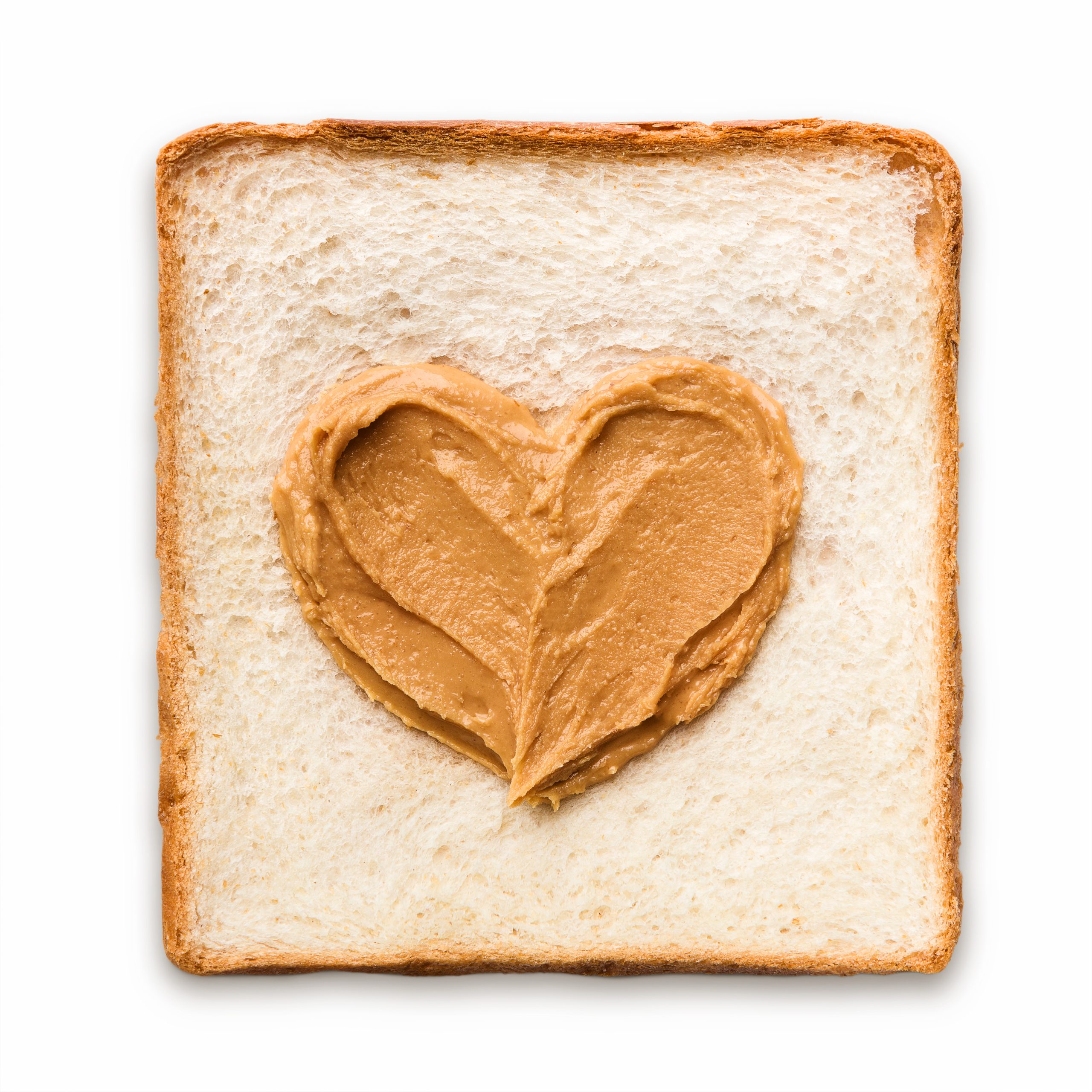
The “Ghost Factory” Behind the Label
Here is the biggest secret: your grocery store does not own a peanut butter factory. In fact, most store-brand products—from your cereal to your crackers—are made by a massive, specialized manufacturer you’ve never heard of. These “private-label” or “co-packer” companies are the “ghosts” in the system. Their entire business is to make products for hundreds of different grocery chains. In many cases, the same factory that makes the name-brand product also runs a separate line for the store brand.
Are Name-Brand Ingredients Really Better?
When you compare a name brand to its store-brand counterpart, the ingredient labels are often nearly identical: Peanuts, Sugar, Palm Oil, Salt. The FDA has strict rules about what can be called “peanut butter”—it must be at least 90% peanuts. This ensures that both the store brand and the name brand are starting from the same, regulated base. The major difference is often in the “roast” (how dark the peanuts are) or the precise ratio of salt and sugar, which creates a slightly different flavor profile. In the “natural” category, the store brand is often healthier, containing just “Peanuts and Salt,” while major brands add sugar to their “natural” stir-versions to improve taste.
It’s Not the Peanuts, It’s the Promotion
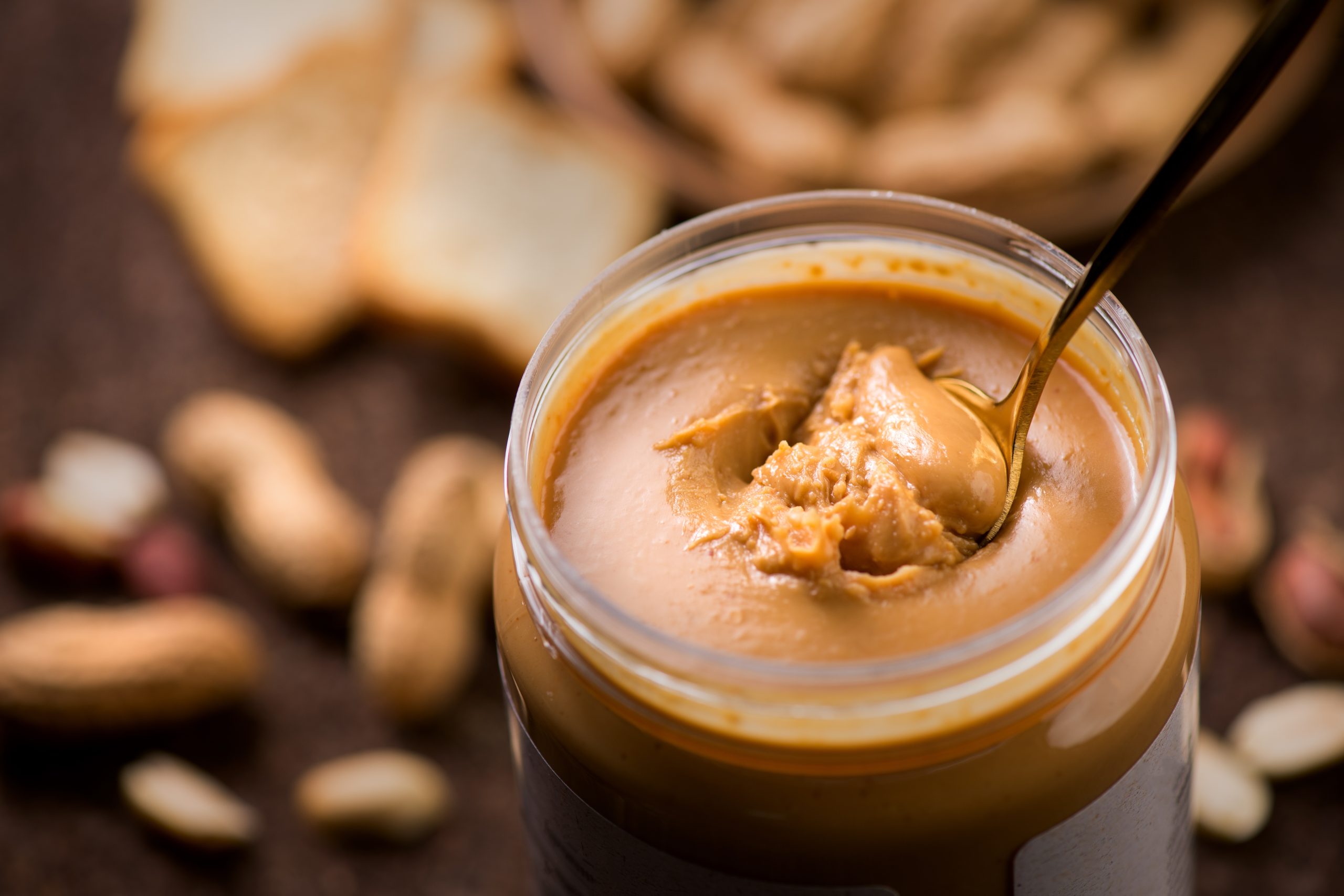
So if the product is almost the same, where does the massive cost-saving come from? You are not paying for the peanuts; you are paying for everything outside the jar. The name brand’s price is packed with invisible costs. They spend hundreds of millions of dollars on TV commercials, Super Bowl ads, and beloved cartoon mascots—a cost that is passed directly to you at the shelf. They also pay the grocery store a “slotting fee,” which is a multi-million-dollar bribe just to get their product placed on that shelf. Finally, they constantly change their packaging, running expensive movie tie-ins and promotions.
The Savvy Shopper’s Takeaway
The store brand has none of these costs. Its “advertisement” is its low price. It doesn’t pay a slotting fee because the store is the brand. It uses one simple, no-frills label that rarely changes. When you buy store-brand peanut butter, you are making one of the purest “smart shopper” choices available. You are simply buying the product itself—the peanuts, the jar, and the labor—without paying for a single Super Bowl ad, a cartoon mascot, or a secret bribe.
What to Read Next
- DIY Recipe for Peanut Butter Pumpkin Dog Treats
- The Silent Battle Between Big Brands and Store Labels
- The Price Hike Illusion: Are Grocery Brands Raising Rates Before Holidays, or Is It Something Else?
- 8 Major Brands Pulled from Shelves for Hidden Dangers
- These 5 New Coffee Brands Taste Better Than Your Old Favorites
The post The Hidden Story Behind Store-Brand Peanut Butter That Keeps Prices Down appeared first on Grocery Coupon Guide.