When budgets get drawn up for home renovations, the spreadsheet tells a familiar story. Kitchen cabinets, new countertops, bathroom fixtures, maybe some flooring. There's usually a line item for paint, another for labor, and if things are getting serious, something allocated for permits. What almost never makes it onto that initial budget? The yard.
Most homeowners don't think about outdoor maintenance until they're standing in their gorgeous new kitchen, looking out the window at a lawn that's gone completely wild during three months of construction chaos. By then, the money's spent, the energy's depleted, and the thought of dealing with anything else feels exhausting.
But here's what happens when the outdoor space gets treated as an afterthought. All that money poured into making the inside beautiful starts to feel wasted when guests pull up to overgrown grass and messy edges. Real estate agents will tell you the same thing, buyers form their opinion before they even reach the front door. A property with stunning interiors and a neglected yard just doesn't sell the way it should.
When the Exterior Becomes the Bottleneck
Renovation timelines have a way of stretching longer than planned. Tile deliveries get delayed, contractors juggle multiple jobs, and suddenly what was supposed to be a six-week project turns into four months. During all that time, regular yard maintenance either stops completely or becomes incredibly sporadic.
The grass doesn't care about renovation stress. It keeps growing. Weeds keep spreading. And when homeowners finally finish the interior work and step outside to assess the damage, the yard often needs serious recovery time. This is where things get expensive in ways people don't anticipate.
Hiring a landscaping crew to restore an overgrown yard costs real money. Getting everything back to baseline before even thinking about improvements can run into hundreds or thousands of pounds. Some homeowners at this point just try to muscle through it themselves with whatever old equipment is sitting in the shed, which usually means a weekend of frustration with tools that barely work.
The Equipment Reality Check
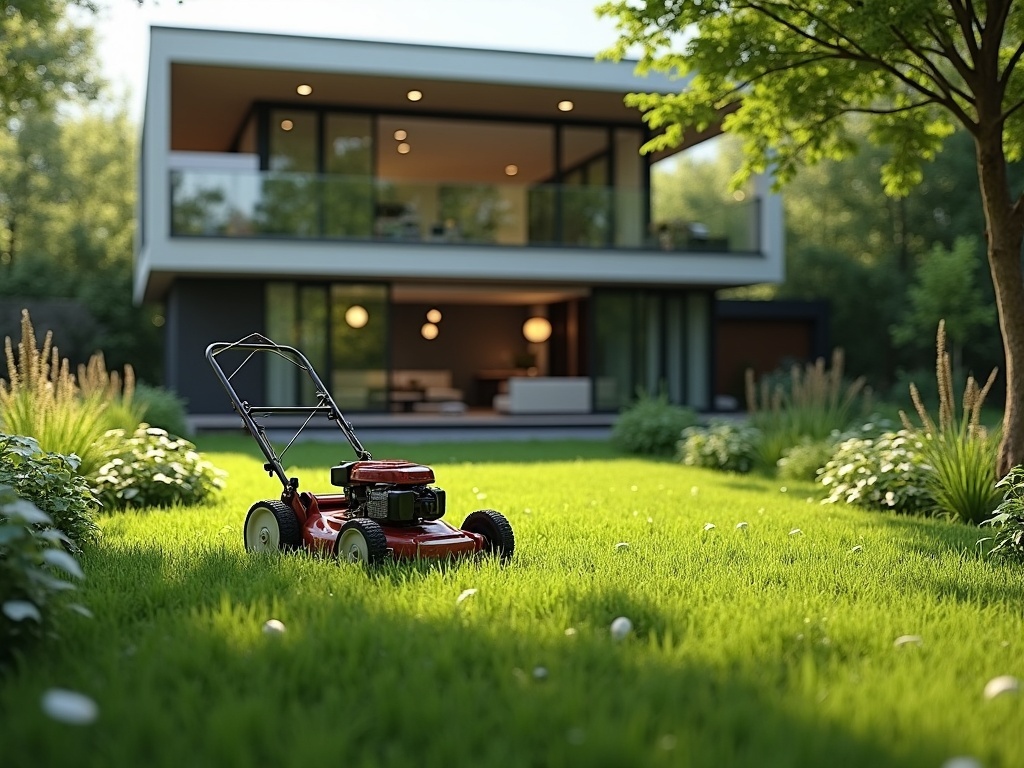
Here's where the planning should have happened earlier. Most homes have some kind of lawn care equipment already, but it's often the bare minimum or gear that's been limping along for years. A petrol mower that takes twelve pulls to start. A strimmer with a wonky head that needs constant adjustment. Tools that technically function but make every outdoor task feel like punishment.
When renovation budgets get allocated, there's an assumption that existing equipment will handle ongoing maintenance. But if that equipment was already frustrating before the renovation, it's going to be worse after months of neglect and a yard that's gotten away from itself.
Upgrading to something more reliable doesn't have to mean a massive expense, but it does require thinking ahead. A quality lawn mower that starts consistently and handles overgrown areas without constant stops makes the difference between spending an entire Saturday fighting with equipment or getting the job done in an hour. The cost of decent equipment is often less than one call to a professional crew, and it's gear that'll be useful for years.
The problem is that by the time most people realize they need better tools, the renovation budget is gone. Credit cards are maxed out, savings accounts are depleted, and there's this uncomfortable gap between the beautiful renovated interior and an exterior that looks like no one's been home for months.
Why This Keeps Happening
Part of the issue is how renovation planning works. Most people start with the spaces they use daily, which makes sense. The kitchen gets used three times a day. Bathrooms are essential. Living spaces need to be comfortable. Outdoor space, especially in British weather, can feel less urgent.
There's also this tendency to think of yard work as something that can always be caught up on later. Just a few hours on a weekend, right? Except after months of renovation stress, those weekends become precious recovery time. The last thing anyone wants to do is spend Saturday wrestling with a temperamental mower and hand-trimming edges because the old strimmer died halfway through.
Then there's the visibility factor. During renovations, the exterior often gets worse before it gets better. Building materials in the driveway, skips taking up space, contractors' vans parked on the grass. Some minor lawn damage is expected. But when the renovation finishes and all that clears away, what's left is often pretty rough.
Planning It Differently
Smart renovation planning treats the exterior as part of the project, not something separate that'll get handled eventually. This doesn't mean scheduling a full landscape redesign, it means making sure there's capacity to maintain what's already there throughout the renovation period.
Setting aside a portion of the budget for outdoor maintenance tools isn't glamorous, but it prevents that sinking feeling when the renovation finishes and the reality of the outdoor situation becomes unavoidable. A few hundred quid spent on reliable equipment early on saves significantly more in catch-up costs later.
It also changes how the renovation period feels. Being able to quickly maintain the lawn between construction phases, even if it's just keeping things from getting completely out of control, makes the whole property feel more cared for. Neighbors notice. If selling is part of the plan, potential buyers who drive by during the process form better impressions.
The Timing Question
The ideal time to sort out lawn equipment is actually before major renovation work starts. Get the tools lined up, make sure everything runs properly, and handle any upgrades while there's still mental bandwidth to think about it. Once demolition starts and decision fatigue sets in, the yard equipment shopping list will keep getting pushed down the priority queue.
For people already mid-renovation reading this and realizing their yard situation is deteriorating, it's not too late. Addressing it now, even if the budget feels tight, is still cheaper and less stressful than dealing with a completely overgrown disaster after everything else is finished.
What Actually Gets Used
The temptation during renovation planning is to either ignore outdoor equipment entirely or go overboard with elaborate landscaping plans that never materialize. The middle ground is investing in solid, reliable tools that make basic maintenance manageable.
A dependable mower matters more than fancy features. Something that handles the actual grass conditions on the property, starts without drama, and doesn't require constant fiddling. Battery-powered options have improved dramatically and eliminate the petrol mower headaches that make people avoid mowing until the grass is embarrassingly long.
Trimming equipment for edges and hard-to-reach spots is the other essential piece. Properties look unfinished when the mowing is done but edges are ragged. A decent strimmer that actually works transforms how quickly those finishing touches happen.
The Complete Picture
Renovations are about improving quality of life and property value. But that improvement doesn't register fully when the outdoor space tells a different story than the interior. The hidden cost isn't just the money needed to fix an ignored yard, it's the delayed satisfaction of the renovation itself.
Homeowners who budget for lawn care equipment from the start, who treat it as part of the renovation rather than a separate future expense, end up with properties that feel finished. Not "finished except for the garden," just finished. The renovation achieves what it was supposed to achieve, a better home that's actually enjoyable to live in.
The yard doesn't need to be a showpiece, but it needs to be maintained. And maintaining it requires tools that actually work without turning every mow into an ordeal. That's not an optional extra or something to figure out later. It's part of creating a home that works as a complete package, inside and out.