Convenience has turned into a silent spending accelerator that reshapes how money leaves wallets every day. Fast checkout buttons, subscription renewals, and lightning-speed delivery options remove friction from buying decisions. That removal of friction also removes the pause that normally protects budgets from impulse decisions. Small purchases stack up faster when decisions take seconds instead of minutes. Financial stress often grows quietly because these systems feel helpful while quietly encouraging overspending.
Modern digital shopping platforms design experiences that prioritize speed over reflection, and that shift changes consumer behavior. People often notice the impact only after monthly statements reveal unexpected totals. The speed of digital spending creates a false sense of control because each purchase feels insignificant. Over time, those micro-decisions form patterns that consistently push spending above intended limits.
The Illusion of Effortless Spending That Tricks Everyday Decisions
Digital platforms shape behavior by making every purchase feel instant and effortless, which removes natural spending hesitation. That hesitation once gave people time to reconsider nonessential purchases and compare alternatives. Now, checkout buttons sit one tap away, reducing the mental steps required to complete transactions. This frictionless environment creates a psychological blind spot where spending feels smaller than it actually is.
Retailers design interfaces that highlight speed and simplicity to keep users engaged in buying loops. Each streamlined interaction reduces the emotional weight tied to spending money. When decisions happen quickly, people lose track of cumulative costs across multiple purchases. Over time, this environment encourages habitual spending that feels harmless in the moment but grows into a serious budget strain.
One-Click Checkout Turns Split-Second Choices Into Long-Term Costs
One-click checkout systems eliminate barriers that once forced shoppers to pause and evaluate purchases. That missing pause leads directly to more impulse buying, especially during late-night browsing or emotional moments. Shoppers often complete purchases before fully processing the need or value behind the item. This structure rewards speed and punishes reflection, even when budgets demand careful planning.
Studies on consumer behavior consistently show that reduced friction increases spending frequency and total cart value. The brain responds strongly to immediate rewards, especially when no extra steps interrupt the buying process. That reward loop strengthens every time a purchase completes without resistance. Over weeks and months, those rapid transactions accumulate into noticeable financial leakage.
Auto-Pay Subscriptions Quietly Drain Budgets in the Background
Auto-pay systems simplify bill management, but they also remove active decision-making from recurring expenses. Many subscriptions continue long after users stop engaging with the service. Streaming platforms, fitness apps, and software tools often rely on this inertia to maintain revenue. The convenience of “set it and forget it” turns into a budget leak that runs silently every month.
Financial strain grows when multiple subscriptions stack together without regular review. People often underestimate total recurring costs because each charge appears small in isolation. Once combined, those charges can rival essential monthly expenses like groceries or utilities. Without active oversight, auto-pay systems create a steady drain that feels invisible until bank balances tighten.
Fast Delivery Culture Pushes Impulse Buying Into Overdrive
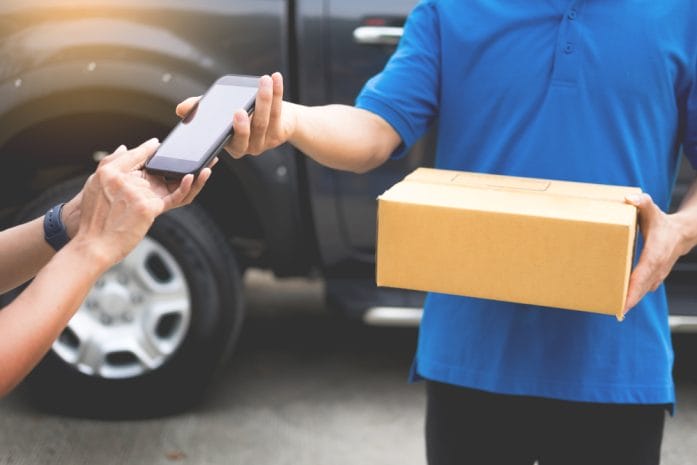
Same-day and next-day delivery options reshape expectations around urgency and desire. Shoppers no longer wait for needs to become pressing because products arrive almost instantly. That speed encourages emotional buying, especially when boredom or stress drives online browsing. The excitement of rapid arrival often outweighs rational budgeting decisions.
Retailers use delivery speed as a psychological trigger that increases conversion rates. When shoppers know items arrive quickly, they feel less pressure to justify the purchase fully. This mindset leads to frequent small orders that bypass traditional shopping lists. Over time, those repeated fast deliveries create higher shipping fees, more frequent purchases, and weaker financial discipline.
Hidden Fees and Micro-Leaks That Quietly Break Monthly Budgets
Small fees often hide inside transactions, making them easy to overlook during budgeting. Service charges, delivery fees, platform surcharges, and currency conversions add frictionless costs that accumulate quickly. Each individual fee appears minor, but repeated transactions multiply their impact. Many users only notice these charges after reviewing monthly statements in detail.
These micro-leaks create financial erosion that rarely triggers immediate concern. Platforms often bundle fees into checkout flows, which reduces visibility and awareness. That design choice keeps users focused on final purchase completion instead of total cost breakdowns. Over time, these hidden additions can consume a significant portion of discretionary income without clear warning signs.
Breaking the Convenience Cycle Without Losing Everyday Ease
Budget control improves when spending systems reintroduce intentional friction into financial decisions. Turning off one-click checkout features creates a pause that forces reconsideration before purchases. Removing saved payment methods from shopping apps also reduces impulsive spending triggers. These small adjustments rebuild awareness without eliminating convenience entirely.
Regular subscription audits help identify services that no longer provide value. Setting calendar reminders for monthly or quarterly reviews strengthens financial awareness and prevents long-term waste. Slowing down delivery expectations also reduces urgency-driven purchases and encourages planned shopping habits. These changes restore balance between convenience and control, which protects long-term financial stability.
Why Convenience Becomes Expensive Without Intentional Guardrails
Convenience tools reshape financial behavior by removing barriers that once protected spending discipline. Each feature—one-click checkout, auto-pay, and fast delivery—works alone, but together they create a powerful spending ecosystem. That ecosystem rewards speed, not reflection, which pushes budgets toward silent overload. Awareness of these systems helps reduce their influence and restore intentional decision-making.
Smart spending habits emerge when convenience gets balanced with conscious pauses and regular financial reviews. People regain control when they treat friction as a budgeting tool instead of an inconvenience. Small adjustments build stronger financial stability over time without requiring dramatic lifestyle changes. Long-term success depends on recognizing how convenience quietly reshapes money habits.
What spending habit feels hardest to control in today’s convenience-driven world? We definitely want your experiences and advice shared below in our comments.
You May Also Like…
The New Banking Trend That Could Make Paper Checks Harder to Use
7 Retirement Budget Categories Rising Faster Than Inflation in 2026
The “Loud Budgeting” Trend and Transparent Money Conversations
Autopay Secrets: 11 Ways To Successfully Use Autopay To Simplify Your Bills
The post The Hidden Cost of Convenience: Why Faster Delivery, Auto-Pay, and One-Click Checkout Are Wrecking Budgets appeared first on The Free Financial Advisor.