
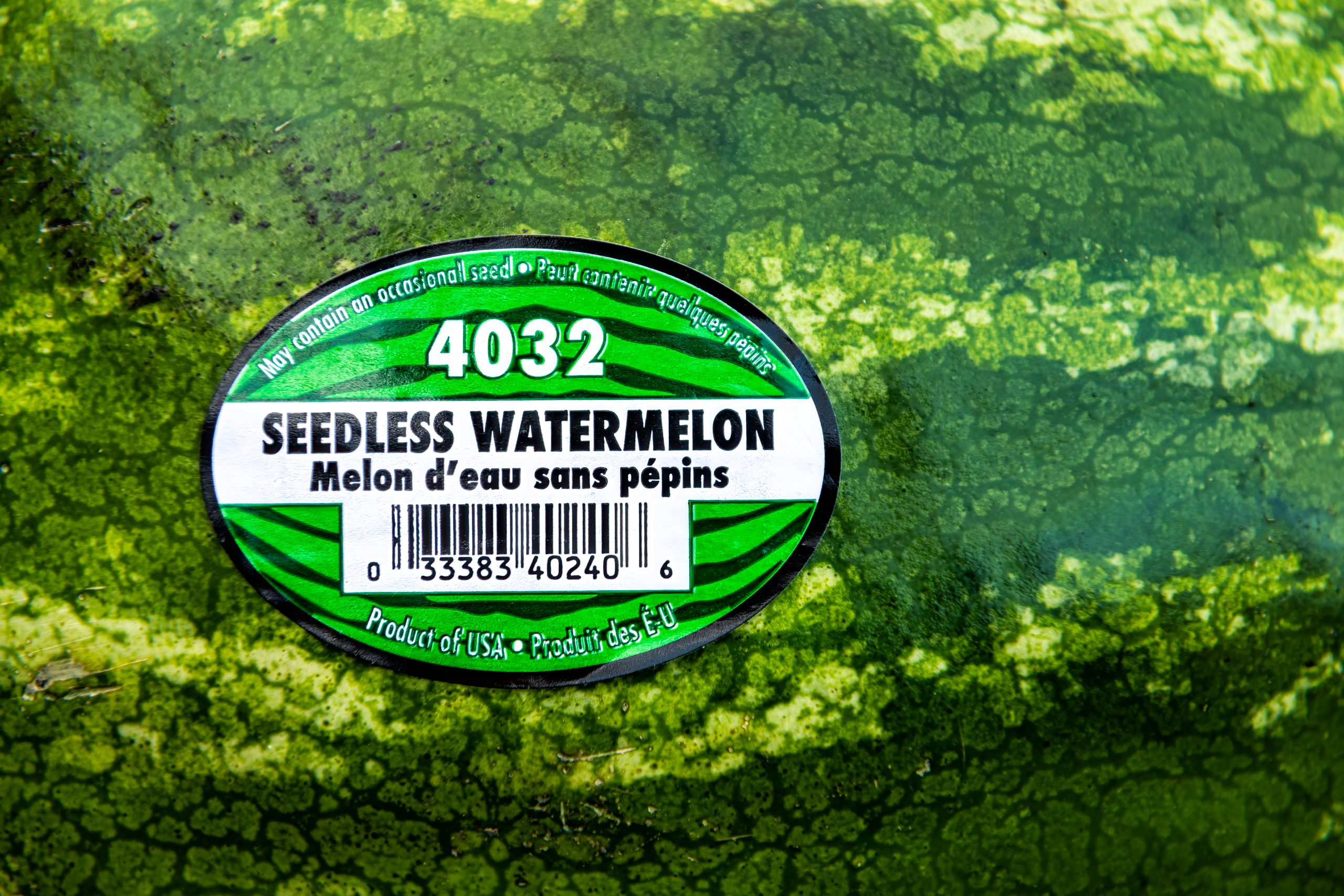
We see them on every apple, banana, and avocado we buy: the small, sticky label known as a PLU code. For most shoppers, this “Price Look-Up” sticker is just a minor annoyance that we peel off and discard. However, this little label contains a hidden code. It reveals critical, and often surprising, information about how that piece of fruit was grown. Learning to read this code can make you a much more informed and empowered shopper.
What the PLU Code Numbers Mean
The PLU code is a 4- or 5-digit number that is administered by the International Federation for Produce Standards. This system is not for consumers; it is for the grocery store’s checkout and inventory system. However, the number sequence itself tells a powerful story. It is a standardized language that communicates the product’s type and its growing method to the retailer.
The 4-Digit Code: Conventionally Grown
If you see a 4-digit PLU code on your produce, it means the item was “conventionally grown.” For example, a standard, conventionally grown banana will have the code 4011. This 4-digit code signals that the farmer likely used synthetic pesticides and chemical fertilizers to grow the crop. This is the most common type of code you will find in the produce aisle.
The 5-Digit Code Starting with a “9”: USDA Organic
This is the code that health-conscious shoppers should look for. A 5-digit PLU code that begins with the number “9” is the official sign that a product is “Certified USDA Organic.” For example, an organic banana will have the code 94011. This “9” is a guarantee. It means the fruit was grown without synthetic pesticides, chemical fertilizers, or genetically modified organisms (GMOs).
The 5-Digit Code Starting with an “8”: The GMO Myth
You may have heard a rumor about a 5-digit code that starts with the number “8.” The original intent for this code was, in fact, to identify genetically modified (GMO) produce. In theory, a genetically modified banana would have been 84011. However, this code was a complete failure. Manufacturers and farmers did not want to voluntarily label their products as “GMO.” This led to a situation where the code was rarely used, and the “8” prefix is now being phased out by the industry.
How Barcodes and QR Codes Are Changing the Game
The simple PLU code is now evolving. A growing number of producers are adding small QR codes or DataBar barcodes to their stickers. When you scan this new code with your smartphone, it can provide a huge amount of extra information. It can link you directly to the farm’s website and show you the exact harvest date. It can even provide you with recipes. This is a new level of transparency that is changing how we connect with our food.
Decoding Your Produce
That tiny sticker is more than just a price tag; it is an information panel. By understanding the simple language of the PLU code, you can instantly know the difference between a conventional and an organic product. It is a small but very powerful piece of knowledge that allows you to see past the store’s marketing. It also helps you to make the most informed choice for yourself and your family.
Have you ever paid attention to the PLU codes on your produce? Does knowing the difference between a “4” and a “9” change how you will shop? Let us know!
What to Read Next
- The 5 Most Overlooked Coupon Codes for Online Grocery Shopping
- From Heath to Flavor: Why People Are Choosing Organic Options
- 11 Shocking Restaurant Health Code Violations
- Why Are Some Organic Labels Being Quietly Removed in 2025?
- Receipt Secrets: 5 Codes That Reveal If You’re Being Profiled by Your Purchase History
The post The Hidden Code on Produce Stickers That Shoppers Rarely Understand appeared first on Grocery Coupon Guide.