Seven party leaders will take part in tomorrow night’s roundtable ITV general election debate. But what about those in the Salon des Refusés, who have not been allowed into the studio at all? Northern Ireland, which sends 18 MPs to Westminster, is home to five such parties. At least two of them could be potential kingmakers for either David Cameron or Ed Miliband in a hung parliament. Yet none of these parties will have a voice tomorrow night .
The principal excludeds are the Democratic Unionists. The DUP left Westminster with eight seats and are confident of returning after 7 May with at least nine. They have more seats currently than Ukip, Plaid Cymru and the Greens combined, and they could have a major say in the next parliament. They matter in the wider national conversation too, which is why the entire UK electorate, not just voters in Northern Ireland, should be able to hear what they say. The same goes for the nationalist SDLP, currently with three seats, for the Alliance party, with one, and for the independent Sylvia Hermon. Even Sinn Féin, whose five MPs do not take their seats, should have a voice.
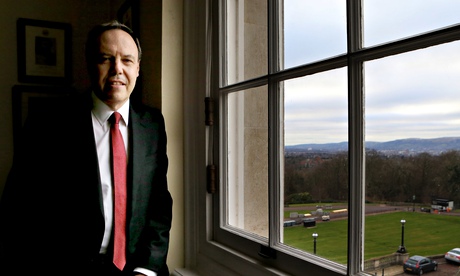
The DUP have played their cards carefully, indicating that they could deal equally with Labour or the Tories. The DUP’s Westminster leader Nigel Dodds and the province’s DUP first minister Peter Robinson have a shopping list with UK-wide implications. Not only would the DUP demand more Treasury largesse but they also seek a special low corporation tax of around 12.5% so Northern Ireland can woo foreign direct investment in competition with the Irish Republic. The implications matter far beyond Ireland, however, since special corporation tax arrangements would trigger deep resentment in other parts of the union, including Scotland and Wales.
Northern Ireland’s smaller parties should not be ignored either. Their votes could help to get either Mr Miliband or Mr Cameron over the line. Alasdair McDonnell’s SDLP has high hopes of its three MPs returning in May, all of them more or less guaranteed (passing quickly over Gerry Fitt’s abstention in 1979 that helped to bring down the Callaghan government) to back Labour in the post-election fallout. Lady Hermon usually sides with Labour too. And although Sinn Féin is likely to maintain its ancestral Commons boycott, it would be very influential if its MPs had a rethink and took their seats.
The presence of the SNP and Plaid Cymru tomorrow night is a recognition that the politics of the devolved nations now matter on the UK-wide electoral stage. So why not the Northern Irish parties too? There is in truth little logic to their exclusion. Election debates ought to reflect the complexity of the country and the union, not airbrush it out of existence. We are, to coin a phrase, all in this together.
It will be a crowded studio tomorrow night, but it is wrong to exclude the Northern Irish. For public service and fairness reasons alike, the broadcasters should make sure in future that there are outlets where their parties can face inquiries from the whole public in Britain. It’s time for Mr Dodds to field questions from Tunbridge Wells to Thurso and Mr McDonnell to be quizzed from Swansea to Sunderland. What was all that about one nation?