In Sheffield, the indie music shop Rare & Racy has lost its fight against a new retail development. In Covent Garden in hyperbooming central London, the long-established vegetarian restaurant Food for Thought has decided that rather than double the price of its meals so it can afford to pay its soaring rent, it will pack up and go home. Two more of the small independent shops that give a town or city its character join the long list of those that have been forced out. This is what happens when central government takes power away from councils.
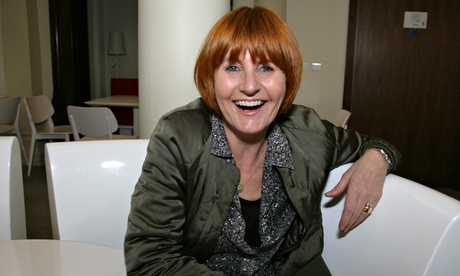
Five years ago, the Conservatives made big promises about reviving the high street. They have not delivered. Like the Anna Karenina principle that says that happy families are all alike, but every unhappy family is unhappy in its own way, there is no universal explanation for the crisis, nor any single panacea. Out-of-town retail developments, the cost of parking and the rise of e-commerce have all taken their toll alongside the wider problem of recession, low pay and squeezed family incomes. The government commissioned shop guru Mary Portas to find a solution, but the renaissance she hoped to bring about has been beset by horror stories, like the tale of the council specially chosen for a rejuvenation dowry deciding to spend it on Peppa Pig costumes. Others, it’s claimed, did not spend it at all. But the proportion of empty shops has crept on up, and the tide of betting shops and charity outlets crept on in.
Local councils know what they need to do to have the best chance of reviving their own shopping centres. They want to be able to set their own business rates and have more power over policy such as rents and change of use. But, even though all the main parties are enthusiastic about devolving a greater range of functions to councils, none is likely to go this far. What they do agree on is that some reform of business rates is long overdue.
A creaky and complex system, where the rate is set centrally, collected locally, and sent back to Whitehall before being redistributed back to councils, is now approaching breaking point. The final straw, businesses say, was the decision to delay for two more years a revaluation that should have taken place this month. The delay has hit retail hardest: shops in struggling high streets, where property values are falling along with sales, still have to pay rates set at the peak of the boom in 2008. One calculation reckons that retail will pay nearly half the £2.3bn that the failure to revalue will cost business over the next two years.
The Conservatives and the Lib Dems have now promised to review the whole system. This year, they are capped at 2%. Labour is proposing a freeze for small businesses as an alternative to cutting corporation tax. All the main parties propose offering councils that expand their business rate income the chance to hang on to more of it. These are not the kind of policies that will swing many voters, nor make many headlines. But prising some degree of control of local revenues from the iron grip of the Treasury – and the chancellor – is at the heart of any plan to help high streets find a way of growing again.