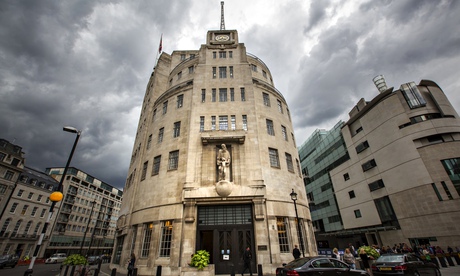
The BBC has a long, if not unblemished, record of being prepared to tackle challenging subjects. Its reputation is built on and sustained by impartial and independent reporting, what its director general, Tony Hall, recently called “honest … brave journalism”. Of the vast news and current affairs output that gives it such a voice in the national debate, Panorama, the venerable flagship current affairs programme, has time and again been the challenger of governments, national institutions and vested interests. This week, it is in the midst of a dispute again. The subject is the life, times and close connections with the police and the CPS of the former News of the World reporter Mazher Mahmood, the so-called “fake sheikh”.
Mr Mahmood has broken many a good story, not least that of cricket corruption in 2011, but earlier this year drugs charges against the former X Factor judge Tulisa Contostavlos were dropped after the judge decided there was evidence that Mr Mahmood, the key witness, had lied and manipulated the evidence. Other cases where his evidence was critical are being reviewed. Having survived earlier legal challenges, the programme was taken off air only 90 minutes before transmission on Monday night after another intervention from Mr Mahmood’s lawyers.
The BBC’s journalism has always to navigate special relationships with the government – where there is invariably tension over exactly what independence and impartiality mean in practice – and with the wider public, the licence fee payer. This is a relationship that is increasingly sensitive as media outlets proliferate and the review of the BBC’s charter, due in 2016, approaches. It is often inflamed by the self-appointed judges of every aspect of the BBC’s operation, the rightwing press who provide a constant, often misplaced, chorus of criticism.
There have been too many bruising encounters over the years for BBC bosses to engage lightly in confrontation. The pulled Panorama programme is the first big test since the catastrophic misjudgment over the Newsnight film on Jimmy Savile (which, like the contested Panorama, was made by the producer Meirion Jones). The BBC is already under extraordinary pressure, with both the Metropolitan police and – in a highly unusual move – the attorney general calling for delay. Yesterday, James Harding, the director of news and current affairs, told the Society of Editors that the Panorama on Mr Mahmood was “a seriously good piece of work, extremely revealing and squarely in the public interest”. He promised that it would be transmitted, possibly even later this week. Mr Mahmood has hit back with an attack on the BBC’s “misleading, unreliable and irresponsible” journalism. It would be no surprise if he and his lawyers were to try again to derail the programme with a last-minute intervention. This is a determined attempt to keep the programme off air by any means possible. The BBC has never had the option to publish and be damned, but if it really does believe in its journalism, it should now face down its opponents.