
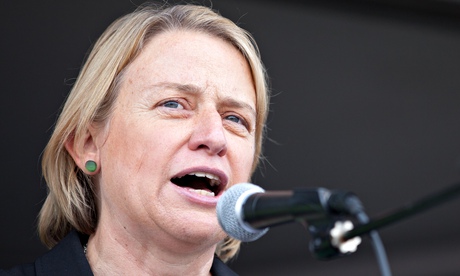
Should the party leaders debate with one another in the runup to the general election? Yes, absolutely, they should. Party leaders should be open to scrutiny. And election debates help connect voters to politics. After the precedent of 2010, the public will expect debates again in 2015. The principle is a no-brainer. But it’s also the easy part.
What form should those debates take? Here’s where things get difficult. On Monday a coalition of TV broadcasters put forward a particularly knotty plan for next spring. This envisages three debates: one between David Cameron and Ed Miliband; a second between these two and Nick Clegg; and a third in which this trio would be joined by Nigel Farage. This plan managed the remarkable achievement of offending almost everybody: Mr Cameron because the plan excludes the Greens; Mr Clegg because it excludes him from one debate; Mr Farage because he is kept out of two. Meanwhile the Greens, the SNP and Plaid Cymru all object to being ignored altogether. Of the party leaders, only Mr Miliband appears content.
The broadcasters’ plan is open to other objections too. It is hard to see how a plan that allows Mr Clegg and Mr Farage to take part in some but not all the debates is not open to legal challenge under impartiality rules. Nor does the plan make any provision for other media, like the live-streamed debate jointly proposed by YouTube, the Guardian and the Daily Telegraph. It is wrong for the political parties to have a veto on whether debates take place. But nor can it be right that broadcasters set the rules on inclusion and exclusion. After all, who elected them?
There are three simple ways of sorting out the current self-interested poker game between the political parties and the media.
The first is to establish that leaders’ debates should always take place during general elections. This might require legislation, but it would at least ensure that no party could veto the event, as has often happened in the past – and may yet happen this time.
The second is to hand the election debates to an independent body – the Electoral Commission is the obvious candidate – as happens with presidential debates in the United States. This body would decide the number, date and media form of the debates, which would not be confined to television.
The final change would be that all the parties should be admitted on an equal basis. If they reach a modest threshold – which can be a threshold of parliamentary seats, share of the popular vote or opinion poll ratings, or some combination – they should be in. This would ensure that no party with a reasonable claim would be excluded unfairly. It would ensure a real debate, not loaded dice. It would reflect the current fragmentation of the party system. This would widen public interest and would increase the credibility of the process.
It would all be far easier if Britain had a fairer electoral system, which more truly reflected the fragmentation of public opinion, set a more transparent threshold for inclusion, and stopped the main parties from fixing the system to their own advantage. A fairer electoral system in general elections is an ever more pressing need. But most of these ways of making the leaders’ debates fairer could in fact be introduced tomorrow.






.png?w=600)





