In discussions about saving, moralising is never far from the surface. Bankers, politicians and priests alike urge thrift on people who cannot afford it, a conspiracy that Keynes described as “God and Mammon reconciled”. Pension-industry marketing fully exploits an almost ethical impulse to squirrel something away for old age. How extraordinary, then, that a report chiefly carried out by industry insiders should last week uncover amoral leeching of savings through rip-off fees on a systematic scale.
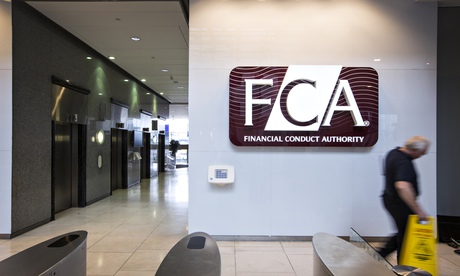
Thirteen years have passed since New Labour introduced stakeholder pensions, which were supposed to call time on the mis-selling of the past, through low and transparent charges. So how did that work out? As much as £25bn of assets, around a third of all the funds reviewed for the Financial Conduct Authority, continue to face a year-in-year-out reduction in yield of more than the 1% which was the original stakeholder ceiling. Half of the funds are drained by more than 1.5% annually, as much as £8bn by 2% or more, while nearly £1bn is subject to costs of 3%-plus. These numbers may sound small, but as annual charges they steadily eat huge holes in pensions.
The high charges persist, first, because Whitehall was long reluctant to meddle in historic arrangements. Secondly, and more baffling, are the savers who continue to be recruited into over-charging schemes – 400,000 or more in the last three years alone, including 22,000 who continue to face the most exorbitant effective charges of 3%-plus. This does not happen because all such savers are stupid, but because insurers set out to confuse. The claimed “management charges” are far from exhaustive: indeed, the report uncovers 38 different fees configured in 291 combinations. What sort of uber-shopper would it take to land a good deal in the face of that? The analysis excludes the transaction costs funds levy for buying and selling shares. Factor them in, and charges look higher still.
There could hardly be a more telling example of the “predatory capitalism” that Ed Miliband has rightly highlighted, but not always given the sustained attention that it deserves. He is fortunate that, in Gregg McClymont, he has a forensic pensions spokesman, with a knack for warning about the next scandal before it breaks. The coalition was initially content to leave private pensions alone, but, nudged along by Mr McClymont, it has moved towards imposing new caps, and – significantly – using a broader definition of what counts as a fee.
Good, but huge questions remain about proper protection on funds saved in the past, and also about finally forcing those still half-hidden “transaction” costs out into the open. Last but not least are the rules of governance. Existing plans would allow insurers to appoint half of the supposedly independent governance committees, which sounds like an invitation for the next scandal.
With final-salary pensions increasingly consigned to the past, many middle-aged workers fear a retirement less comfortable than their parents’. The least politicians should do is give them the strongest hand against an industry with a shameful record.