David Cameron’s intentions regarding Syria are as clear as mud. Whispers in and around Westminster led newspapers, including the Guardian, to report that the prime minister had ditched his previous plan to make a push for a bombing campaign. No 10 scrambled to insist that nothing had changed, on the grounds that Mr Cameron had always said that he wanted to act after building a “consensus”. But this only underlined how the policy is now being settled by fluid parliamentary arithmetic, which is not currently adding up for the government.
Technically, the ancient royal prerogative to make war remains. But in practice the power, which long ago shifted from the Palace to Downing Street, has now moved again – to the House of Commons. This is a thoroughly good thing, which has been a long time in the making. Parliament has always debated war, but the votes were typically on procedural moves to adjourn, in effect a way of agreeing to hand things back over to ministers.
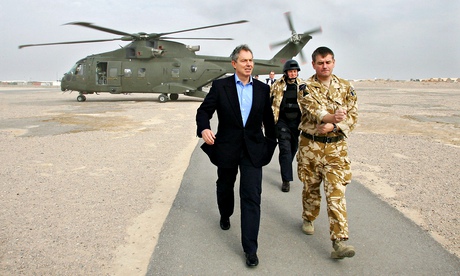
One of the few positive consequences of the disastrous Iraq conflict was to set a different precedent: Tony Blair decided that he had to go to the Commons and make his case. While Mr Blair dug in against formally rescinding his power to open hostilities, he soon admitted that future governments would have little choice but to consult MPs. Gordon Brown later talked about entrenching parliament’s effective new power, before his constitutional interests were overwhelmed by the financial crisis. When Britain waded into Libya in 2011, the Commons did get a substantive vote, though only after the action was under way. Soon after, the cabinet manual was updated to include an expectation that such votes be held “in advance”, and the force of that change was seen in 2013 when the House scuppered Mr Cameron’s plans to fight President Assad. Today, he harbours ambitions to set the RAF against Assad’s enemies in Isis, but he is not going to do anything about them until he is sure he can rally MPs to agree.
This new power of the Commons is not formal yet, and that technical loophole could be exploited one day. Executive overrides, for defensive and perhaps humanitarian emergencies, remain. One can also imagine a belligerent PM who wasn’t backed by the House shielding behind the fog of the battle: where, for instance, do special operations end, and war proper begin? Such definitions can matter. In the US, the constitution entrusts the call to declare war to Congress, but several presidents simply fought undeclared conflicts in Korea and then Vietnam.
So there may be prime ministerial wriggle room, but this is still a real change. It is surely an advance for the representatives of the people, who are always consulted on every tweak to a tax rate or legal definition, to have acquired a say on the weightiest matter of state. Parliament may get the big calls wrong – it certainly did in 2003 – but the chances of error should be reduced compared with the old order, where there was no strict requirement to make any case for sending in the troops.
Indeed, one reason why Mr Cameron is struggling at present is because some of his motives for wishing to bomb Syria – strengthening the transatlantic alliance and restoring national prestige – are not things he finds easy to spell out in public. The public case would have to be about the likely consequences, and these – as a shrewd foreign affairs committee report argued on Tuesday – are uncertain at best. A war-weary Commons representing a war-weary country will need a lot of persuading to extend British embroilment in the Middle East. And whatever the merits of the Cameron case, in a democracy, that is exactly as it should be.