There are many people deserving of praise for selfless acts during the past 12 months. But one person whose act of scientific generosity ought to be remembered is Zhang Yongzhen. The scientist, who works out of the Shanghai Public Health Clinical Centre, was the first to map the whole genome sequence of Sars-CoV-2. He did so on 5 January 2020 and hoped to share it with researchers by uploading his work to the US National Center for Biotechnology Information (NCBI).
The professor knew he was dealing with a deadly virus – but he had no idea how dangerous. The pathogen has killed more than 1.7 million people and shut down nations, leaving a trail of economic disruption. Concerned that the NCBI would take its time, the scientist sanctioned the sequence’s global public release via an Australian colleague. On 11 January, when Wuhan recorded its first Covid death, the virus’s genomic sequence was posted on an open access site. The 28,000 letters of Covid’s genetic code allowed Oxford University’s Jenner Institute, Moderna and BioNTech to design their vaccines in days. Testing took the rest of the year. To go from an unknown lethal new virus to an approved vaccine in months is a medical miracle. While the immediate sharing of data from a dangerous infectious disease might seem obvious, it goes against the grain of the way science has too often worked. A scientist’s ability to get funding and get ahead has for decades been predicated on competition, not just cooperation.
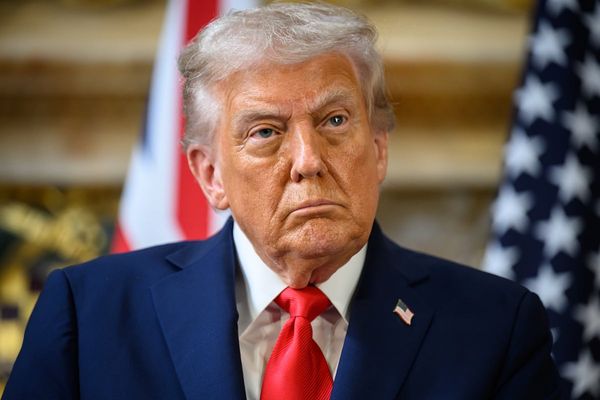
Doing what is right rather than what one is told is made harder when operating in an authoritarian system like China’s. Prof Zhang received unwelcome official attention. His lab was closed down briefly before sense prevailed. Such episodes were used by Donald Trump, shamefully, to shift blame from his floundering response on to the nation where the pathogen was first identified.
Prof Zhang’s work highlighted the need to be able to map viruses themselves, not just their spread. Sars-CoV-2’s evolution has been watched more closely in real time than any other virus in history. The UK’s genomic monitoring identified a highly transmissible Covid-19 variant in December. Such surveillance, with appropriate privacy safeguards, will probably go global. Scientific collaboration will need to be nurtured. By forging links across borders, scientists can provide a trusted early-warning system for global health and ultimately lower the risk of wayward politicians inhibiting progress.

.jpg?w=600)