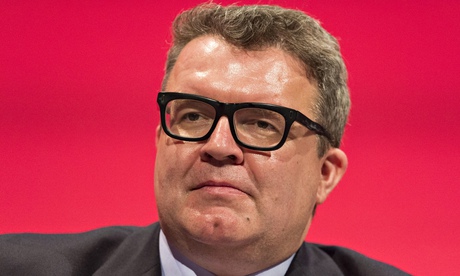
It will come as no surprise that his enemies have got it in for Tom Watson. The West Bromwich East MP was the most effective backbench critic of phone hacking and of the Murdoch management’s responsibility. His work helped lead to the Leveson inquiry, an achievement which alone guarantees that Mr Watson will have been marked out for revenge.
Since then, Mr Watson has also become deputy leader of the Labour party, which some rightwing newspapers have always done everything to demonise. So if Mr Watson’s stance over the VIP paedophile argument has now given those same newspapers an opening to attack and discredit him, they will use it to the full, big‑time and often.
Mr Watson was absolutely right to start referring allegations of historic child sex abuse to the police. It would have been negligent to have done anything else. But he was wrong to promote those allegations as publicly as he did when he attacked the late Leon Brittan in print within days of the former Conservative home secretary’s death. The former was good judgment. The latter was bad judgment.
The police investigation into one of the main allegations against Lord Brittan has now been abandoned. Another is widely supposed to be running out of steam. A BBC Panorama investigation this week powerfully challenged several claims that have been central to the allegations against Lord Brittan and other VIPs. Lord Brittan’s relatives and friends have every right to feel aggrieved. So Mr Watson was right to make the partial retraction that he has now issued. If in the end the investigations are finally wound up without any charges, he should consider whether to apologise more fully, as Jeremy Corbyn appeared to hint on Friday. Mr Watson certainly needs to reflect that he has bigger priorities and responsibilities now.
The Leon Brittan episode is not unique. Shamed by the long-term legal and societal failings exposed by the Jimmy Savile case, there has been a natural and correct police and prosecutorial desire to do better. But in the course of this, prominent figures have been wrongly pilloried before police investigations have been completed. Some allegations are proved. But others have the hallmark of confusion and falsehood.
It is a tragedy that the long overdue attention being given to the victims of child sexual abuse has sometimes caused the pendulum to swing too far in the other direction. No one should doubt the importance of sending strong signals that allegations will be properly investigated. But in some case the rights of the accused, rather than those of the victims, as was the case in the past, are being treated with contempt as a result. This is completely inappropriate.
The police’s job is to investigate allegations objectively and impartially. They should be more rigorous about not allowing the names of potential suspects to emerge prematurely, because this can lead to injustices such as the Brittan allegations and because such actions can encourage fantasists and conspiracy theorists. The police should also be professional enough not to claim that historic allegations are true, not least because such actions jeopardise future trials. The battle for justice against child abusers is too important to be so vulnerable to poor judgment, wherever it comes from in the system.