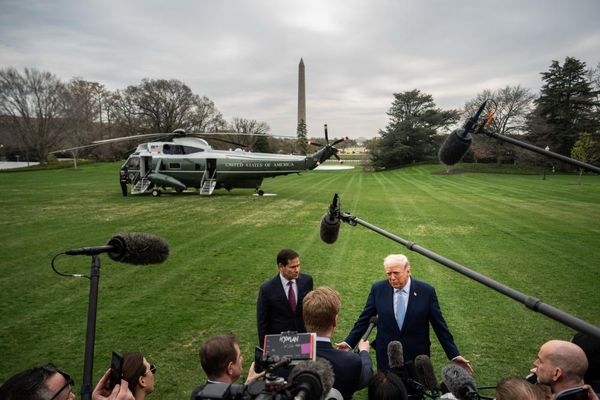
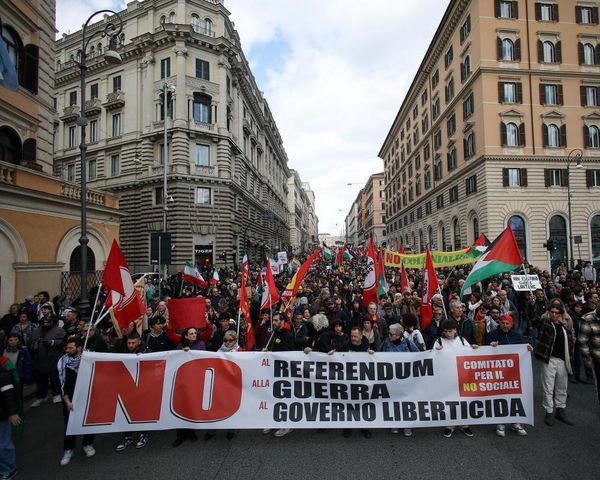
And then there were two. As recently as Tuesday there were five Conservative leadership hopefuls jostling for MPs’ support, but now the Tory party members, who will now make the final decision on Britain’s next prime minister, know they face a straight choice between two women, Theresa May and Andrea Leadsom.
Many predicted the EU referendum would sear a lethal divide through the Conservative tribe. But with the brutal efficiency, which is a hallmark of this power-hungry party, the Brexit vote was followed by the immediate sacrifice of one wounded chief, and then a timely contest to install a replacement. That gives them, surely, their best chance of drawing a line under the great EU rupture. Things could, however, still go very wrong, especially if the members – a smallish bunch, many with outside right views – plump for unknown Europhobe Ms Leadsom, who at this stage enjoys the support of only 84 MPs.
Meanwhile Jeremy Corbyn, who is – at least formally – another aspiring prime minister, would be grateful for even half that parliamentary support. The mismatch between modern party rulebooks, which entrust the choice of leader to the mass membership, and the British constitution, which still stubbornly insists on the head of government securing the support of MPs to get things done, is coming into focus like never before, on both sides of the chamber. But the rupture between the parliamentarians and the membership looks particularly grave on the Labour side – potentially threatening a fatal tearing of the 116-year-old bond between MPs at Westminster and the movement outside.
In the fortnight since the referendum, Labour MPs have – as the Guardian warned they might – wounded Mr Corbyn without achieving a clean kill. The leftwing leader is still holding on, as the rulebook allows him to do, even though four in five colleagues have voted no confidence in him. This is a party beset by such schisms that it can no longer offer a full shadow ministerial team. The position is worse than it would be if the party either united behind Mr Corbyn, or came together to boot him out. The MPs who have pushed things to this brink must take a hard look at themselves, and ask why the crisis they forced has not achieved a resolution.
The entirely reasonable concern of many MPs – spanning the right, centre and soft-left of the party – is that an early election may be looming, and that Mr Corbyn does not look like a man who could win it. Dire personal polling and mediocre local election results already suggested as much, even before the collapse of his authority undermined his ability to do his day-to-day job at Westminster. Labour MPs believe, quite understandably again, that they owe it to the poor communities they represent to pick a leader who is not fated to go down to defeat to the right. But many members, and not unreasonably, recoil from a choreographed coup whose plotters have not, thus far, had much positive to say. There is a long and unhappy history of half-baked Labour mutinies. As things stand, this coup risks going the way of, say, James Purnell’s ineffective resignation letter from Gordon Brown’s cabinet, which contained no argument, beyond the assertion that the boss was a loser.
If Labour MPs want to force Mr Corbyn out, they will need four things that they have lacked until now: a candidate, a positive message, a proper understanding of why all the so-called “mainstream” candidates were hammered last year, and a willingness to reassure the members that parts of the Corbyn agenda would stay. Across the west, the share price of centrism has been in freefall, and old icons of 1980s and 90s respectability, including Trident and deference to financiers, are not as popular as they were. In the week of Chilcot, a more critical approach to the US alliance is plainly required; likewise the presumption that dropping bombs in far-off places will effect easy solutions is, ordinarily, a delusion. Too many of Mr Corbyn’s determined detractors were on the pro-bombing minority over Syria, and too few are willing to countenance the possibility that Labour’s newly trenchant opposition – to tax credit cuts and disability payments – may have helped force government reversals. As Tory hopefuls talk up infrastructure funds and George Osborne rips up fiscal rules, a wider anti-austerity message may also have done some good.
There is much in the style, and some in the substance of Mr Corbyn that Labour would do well to cast aside. But until they hear a description of a positive alternative, party activists can hardly be expected to rally to the mutineers’ cause.