Zero. Zilch. Nada. Even those sent to sleep by bulletins from the Office for National Statistics will surely have been struck by the news that the consumer price index has fallen to 0%. Not only has this never happened before, no term exists to describe this situation. Inflation refers to rising prices; deflation, falling prices. The new nullity could perhaps be christened flation.
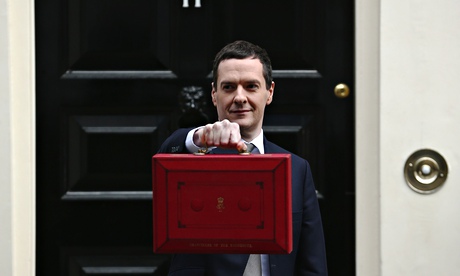
Whatever the name, the government would have you believe it’s a good thing. “The right sort of price freeze,” according to Treasury chief secretary Danny Alexander. And provided it doesn’t last long, they’re right. The halving of oil prices over the past year and the resulting fall in the cost of transport and food is good news for most Britons. It also comes in very handy for coalition ministers, who can deflect Ed Miliband’s jabs about living standards. Even if wages are only crawling upwards, a fall in prices leaves more cash in voters’ pockets. A foretaste of this tactic was served up by George Osborne in last week’s budget, in which he boasted that “living standards will be higher in 2015 than in 2010”. This supposed triumph is more rhetorical than real – and it surely won’t resonate in the average household. But still, all’s fair in love and election campaigns.
Look beyond 7 May, however, and it’s hard not to worry about the new flation. Already, core inflation – which excludes volatile food and energy prices – is at its lowest for a decade. What this indicates again is that, seven years on from the banking meltdown, the British economy remains in a feeble condition – and that the people who run it are unsure about why it is so sick or how to make it better. In a speech last week, the Bank of England’s chief economist, Andy Haldane, noted that when the monetary policy committee (MPC) slashed interest rates to 0.5% in March 2009, “financial markets did not expect this low level … to persist, with the first rise expected nine months later in December 2009”. Six years later, the key rate remains at 0.5%. Similarly, both the Bank and the Office for Budget Responsibility have spent the bulk of the great slump predicting an imminent turnaround – which has never turned up quite as billed. Instead, the UK’s mediocre growth has been flattered by its location in a part of the world (Europe) that has got used to appalling sluggishness, and by the creation of a multitude of low-wage jobs.
Put all this together, and you have an economy that is slowly impoverishing its workers, whose real wages are down almost 10% since 2008. Rather than boasting about falling inflation, government ministers ought to be urgently seeking to boost pay. Instead, as the work of former MPC member Danny Blanchflower and his colleague David Bell suggests, the UK appears to be well on the way to the institution of a new sub-labour market, where workers are trapped in a low-pay, low-productivity spiral. All this is only made sustainable by the Bank keeping interest rates at record lows. What are the chances of having an election campaign dominated by this real economic debate, rather than a Dutch auction between major parties to conjure up the biggest spending cuts? One fears the answer is precisely zero.