At last, the first five-year, fixed-term parliament is almost over. The business of its final fortnight will be dominated by Wednesday’s budget, George Osborne’s sixth. In reality, of course, his speech will be all about framing the debate in the final weeks of the election campaign. It will be all about party politics.
This is an election unprecedented in modern times. Even in the dual election year of 1974 back in the era of Ted Heath and Harold Wilson, voters were not so much disenchanted as undecided. Now the polls suggest that neither Labour nor Conservative is likely to be within 40 seats of a majority, while the SNP and the Lib Dems are both likely to play a significant role in negotiations to form a government. An election whose most likely outcome is coalition or a minority government raises big and unfamiliar questions about the nature of the campaign.
At this stage before the last election, it still seemed that the Conservatives were likely to form a majority government, in keeping with the pattern established over the 30 years since Margaret Thatcher’s first victory in 1979. Yet, despite the appearance of confidence in the spring of 2010, already some Tories had feelers out to the Lib Dems (as Tony Blair’s were before the Labour landslide in 1997) just in case the number of seats won fell short of the magic number. So, with the polls steadfastly indicating that neither of the main parties has more than about a third of popular support, it would be absurd to suppose that there aren’t discreet conversations going on. The question is what, in the name of the voters, democracy demands.
The main parties could simply rule out a deal with any of the challenger parties. Or they could acknowledge reality and admit that voters seem reluctant to give any party a majority, allowing quasi-negotiation about policy red lines to take place openly before 7 May. Superficially, either course seems to treat the voter with more respect than for them to go on as they are, which is to insist that they are in the business of winning a majority. Yet this insistence must be the right choice: tactically, because to allow it to look as if negotiations are already under way would mean the election was about nothing else. But also because it is the right way to treat voters, for it is the voters and only the voters who decide ultimately who’s at the negotiating table.
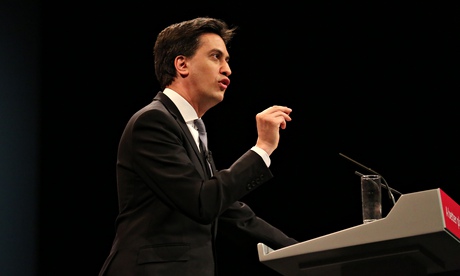
Both parties face the dilemma but it’s Labour that’s under the current pressure. The SNP appears to be barrelling towards victory in the majority of Scottish seats. Its leader, Nicola Sturgeon, trying to persuade Scots that the best way to get a Labour government is not to vote Labour, reassures wavering Labour converts by indicating that its Westminster MPs would be prepared to support a Labour government, if not to form part of a coalition. That allows Tory strategists to present Mr Miliband as an SNP pawn, peering from the top pocket of the former SNP leader Alex Salmond. Tory spokesmen, such as George Osborne on the Marr sofa on Sunday morning, demand that a deal with the nationalists is ruled out (while refusing to do the same for Ukip). So, by implication, do the Lib Dems. Vince Cable, the business secretary, told this newspaper on Saturday that it was “inconceivable” that his party would work with the SNP any more than it would work with Ukip. Now the influential Labour elder statesman Alan Johnson has joined the chorus, apparently with some success.
And it may seem, on some tactical grounds, a beguiling argument. It would undermine the SNP pretence that a vote for it doesn’t jeopardise a Labour government. It would puncture the Tory scaremongering. But Mr Miliband is right to resist. Mr Cameron pretends that Labour would trade Scotland for power. But SNP MPs will be elected by British citizens who only last September chose by a clear majority to support the union. Nor is a vote for SNP Westminster MPs the same as a yes vote in the referendum. To claim otherwise merely strengthens the SNP’s narrative of exclusion. Ours is an imperfect democracy, but it is the one that we have. Voters, all voters, have an equal right to shape the next government. So vote for the candidate of the party that will help to deliver the government you want. Then, and only then, let negotiations begin.