There’s a fascinating item in the grocery aisle that breaks all the rules of consumer behavior. It’s a premium, $15 bag of coffee—think Starbucks, Peet’s, or a local “artisan” brand. You’ll find this same item in the cart of a shopper on a very tight budget and in the cart of a wealthy shopper. But the reasons why they bought it are on opposite ends of the spectrum. One is buying “status,” and the other is buying “value.”

The “Status” Purchase
For a shopper on a strict budget, every item on the list is a “value” brand, except one. That one splurge is the $15 bag of Starbucks coffee. Why? Because it’s an affordable luxury. You may not be able to afford a new car or a fancy vacation, but you can afford this small, daily symbol of success. That logo, seen on your kitchen counter, is a status “flex.” It’s a “treat” that makes you feel good, successful, and part of a club. It’s an emotional purchase, not a practical one. You’re buying the “experience” of the brand for a fraction of the cost of, say, a $1,500 designer bag. It’s a small way to feel rich.
The “Value” Purchase
Now, let’s look at the wealthy shopper. When they put that same $15 bag of coffee in their cart, the “status” of the logo is irrelevant. They aren’t trying to feel successful; they want good coffee. For them, this purchase is about value. They may perceive that brand as having a higher-quality, better-tasting, or more ethically sourced product. They may have tried the cheaper store brands and found them lacking. For them, paying $15 for a “good” bag of coffee is a simple, logical exchange. They are buying the product, not the feeling. It’s a practical choice based on perceived quality, and the price is not a barrier to that choice.
The “True Value” Purchase (That Neither Is Making)
This is what makes psychology so interesting. The “status” shopper is buying for emotional value. The “wealthy” shopper is buying for perceived quality value. But the “coupon pro” is looking at both of them and shaking their head. The pro knows that the store brand’s “100% Colombian” bag, which costs $6, is probably just as good. Or they’re waiting for any brand of coffee to go on a BOGO sale and stacking a coupon on top of it. The pro is the only one in the aisle buying for true, mathematical value.
The Marketing That Bridges the Gap
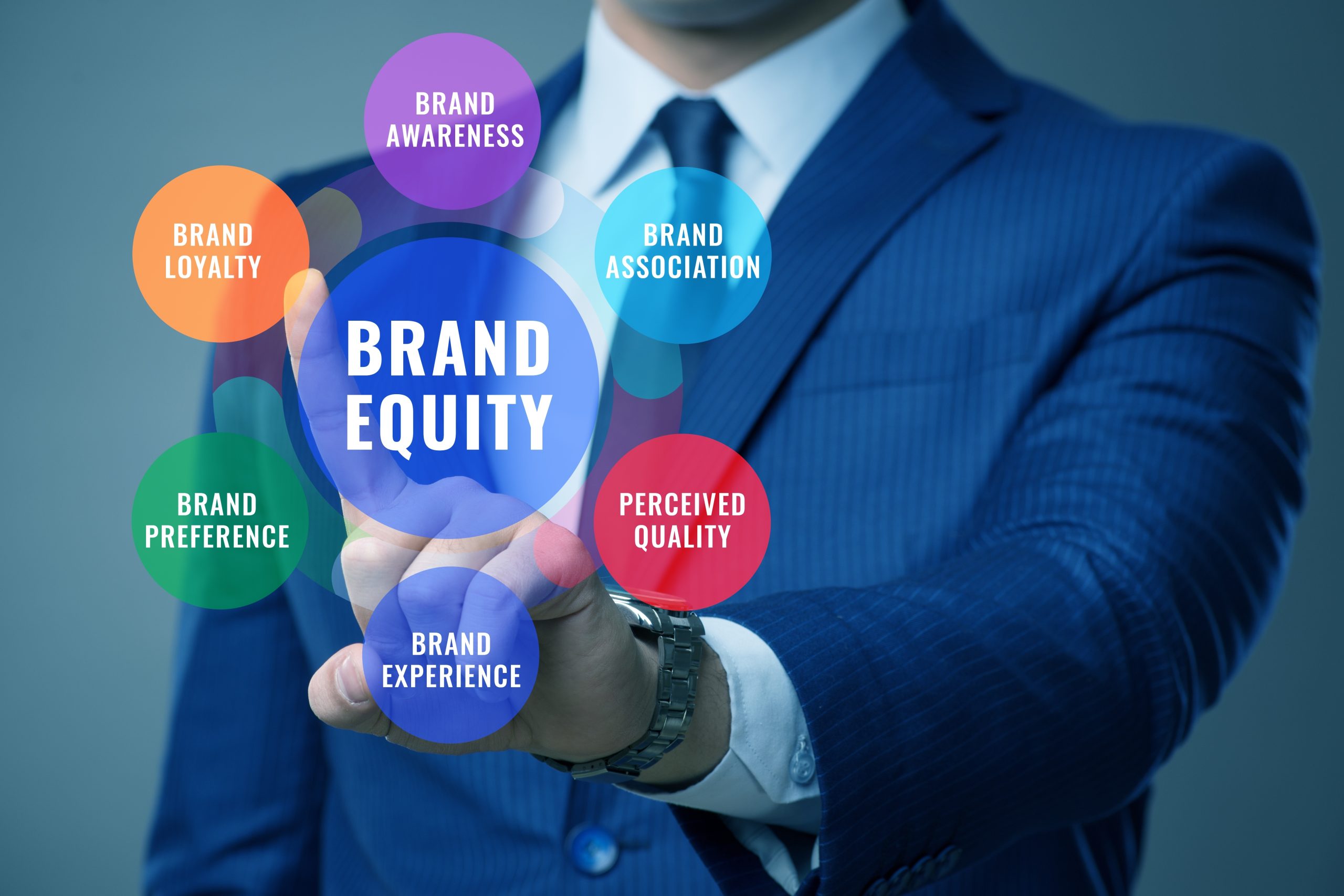
Brands like Starbucks are masters of this. Their marketing strategy targets both groups effectively. To the status-seeker, their ads promise a “daily escape” and a “reward.” To the value-seeker, their ads and in-store signage talk about “premium Arabica beans,” “expert roasting,” and “global sourcing.” It’s a perfect example of how one product can be two different things: a luxury status symbol for one shopper and a simple, quality-based staple for another.
The Savvy Shopper’s Takeaway
Ultimately, “value” is personal—it can be emotional, practical, or mathematical. But understanding why you’re putting an item in your cart is the key to knowing if you’re controlling your budget, or if a brand’s marketing is controlling you.
What to Read Next
- Why Shoppers Say the “Affordable” Aisles Are No Longer Affordable
- 10 Grocery Items That Are Only Expensive Because of Marketing
- Why Rich People Still Use Coupons — They Just Call Them “Rewards Programs”
- What Your Grocery Bags Tell Neighbors About Your Finances
- 10 Store Aisles That Cause the Most Buyer’s Remorse
The post The Grocery Item Shoppers on a Budget Buy for Status — and Wealthy Ones Buy for Value appeared first on Grocery Coupon Guide.