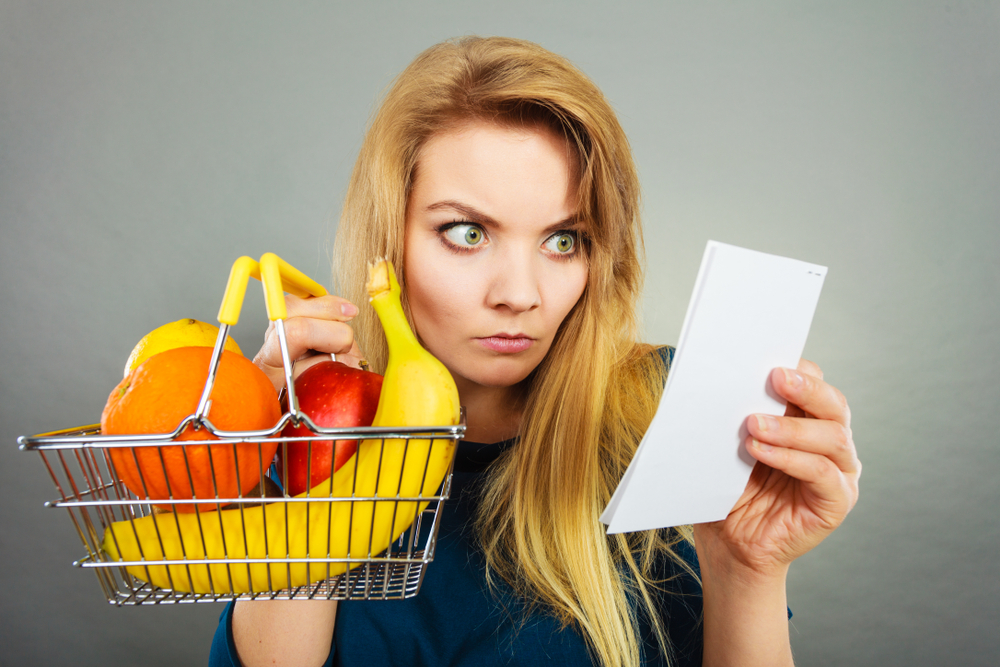
Have you ever walked out of the grocery store wondering how your total got so high when your cart looked half empty? You’re not alone. Retailers use a subtle but highly effective grocery cart trick that makes shoppers spend up to 12% more without even realizing it. It’s not about flashy sales signs or product placement—it’s about the design of the cart itself. Once you understand how this simple psychological strategy works, you can outsmart it and keep more money in your wallet every shopping trip.
The Psychology Behind Bigger Carts
This cart trick starts with one small adjustment that has a big impact: cart size. Over the last few decades, the average grocery cart has nearly doubled in volume. Retailers know that shoppers subconsciously feel compelled to fill the empty space, even if they don’t need the items. A half-full cart feels incomplete, while a full cart gives the illusion of shopping success. This simple design change triggers consumers to buy roughly 12% more per trip—a number confirmed by multiple behavioral studies on spending psychology.
Why Your Brain Associates Full Carts With “Enough”
Humans are visual creatures, and grocery stores exploit that by using the grocery cart trick to influence perception. When you push a large, mostly empty cart, your brain reads it as “not enough,” encouraging you to grab just one more item. The same concept applies to portion sizes—larger plates make people eat more because the brain doesn’t register satisfaction until the space looks full. Grocery stores translate that same psychology into cart design. By making the cart bigger, they’ve essentially built a subtle sales tool that turns perception into profit.
The Rolling Comfort Illusion
Another cart trick lies in how they roll. Modern carts glide smoothly and turn easily, which reduces friction—literally and mentally. Shoppers are more relaxed, less rushed, and therefore more open to browsing. This calm state makes you more likely to explore aisles you wouldn’t normally visit or try products you hadn’t planned on buying. In other words, when shopping feels effortless, spending feels harmless, and retailers know it.
Strategic Placement and Visual Flow
Carts aren’t just big; they’re part of a larger environmental strategy. The grocery cart trick works hand-in-hand with store layout, encouraging you to move slowly through wide aisles filled with tempting displays. Large carts move better through open spaces, guiding shoppers to spend more time in premium sections like bakery or deli areas. Even the height of the cart basket affects what you see first—stores often position high-margin items at eye level so they’re easily spotted as you push along. Every detail is designed to make your cart—and your bill—grow.
The Sound and Feel of Spending
Here’s another layer of the cart trick most shoppers overlook: the sound and motion of loading items. Each “thunk” of an item hitting the cart bottom gives a small sense of accomplishment, similar to ticking a task off your list. The problem is, that positive reinforcement keeps you adding more, even when you’ve already met your shopping goals. With a larger cart, that noise and physical motion repeat more often because you’re subconsciously chasing that satisfying feeling of progress. It’s not just marketing psychology—it’s sensory manipulation.
How Hand Baskets Affect Spending Too
Not everyone grabs a full cart, but even hand baskets aren’t immune to the grocery cart trick. Studies show that carrying a basket puts physical strain on shoppers, subtly encouraging them to finish quickly and spend less time browsing. To counter that, some stores now offer small wheeled baskets that remove that fatigue, letting customers wander longer. The result? People who roll baskets instead of carrying them buy more. Whether you push or pull, the store’s design always guides your comfort toward more spending.
Why Small Trips Often Cost More Per Item
You might think grocery cart tricks only affects big shopping runs, but it also influences how prices are perceived. When your cart has space left, individual prices seem smaller—five dollars for one item feels insignificant when surrounded by empty space. This visual gap lessens the psychological “pain” of paying. Over time, that mindset leads shoppers to prioritize convenience or name brands over savings. Filling a smaller cart or basket helps restore awareness of how much each item truly costs.
How to Outsmart the Cart Trap
Now that you know how the grocery cart trick works, you can fight back with a few simple habits. First, always use a smaller cart or basket when possible—this naturally limits impulse buys. Second, stick to a list and set a spending goal before entering the store, so you’re shopping with purpose rather than emotion. Finally, track your total as you shop, either on your phone or calculator, to stay aware of how fast your bill adds up. These conscious steps help break the automatic response that retailers depend on.
Turning Awareness Into Savings Power
The grocery cart trick might be subtle, but awareness is your greatest defense. Every time you grab a cart, you’re entering a space designed to influence how much—and how freely—you spend. By paying attention to how cart size, layout, and motion affect your mindset, you can stay focused on what you actually need. The next time you shop, remember: the less space you give your spending, the more control you keep over your budget. It’s a simple adjustment that could save you hundreds every year.
Have you noticed yourself buying more when using a big grocery cart? Share your thoughts or shopping hacks in the comments below!
What to Read Next…
- 8 Retail Tricks That Quietly Train You to Spend More Than You Planned
- Shelf Shenanigans: 7 Products That Are Moved Daily to Trick You Into Buying More
- 10 Shelf Placement Tricks That Manipulate Shopper Behavior
- Why the Bottom Shelf Is a Goldmine for “Private Label” Bargains
- 8 Expiration Dates That Are Just Marketing Tricks
The post The Grocery Cart Trick That Makes You Spend 12% More Without Realizing It appeared first on Grocery Coupon Guide.