A few weeks ago, while out for a drink and snacks with a couple of friends, something happened that made me question the very fabric of reality. We hadn’t ordered dinner as such, just some small plates alongside a bottle of house wine to share. Everything was fine until the bill arrived: it came to £120. I stared down at this bewildering number for quite some time, trying and failing to find a mistake somewhere in the calculations. How, but how, could it cost so much when my stomach was still growling to the extent that I was already visualising the potato waffles I’d be inhaling the minute I got home?
I’m not imagining things. Food and drink costs in the UK’s hospitality sector hit a record high in September, rising 0.7 per cent according to the foodservice price index. Dining out was declared under threat in October after a YouGov poll found that 38 per cent of people are visiting restaurants less often than a year ago, with more than half of British diners saying rising prices were the main reason they were eating out less. Meanwhile, the cost of a pint rose between 3 and 4 per cent in the year to October 2025, while a bottle of pub wine saw a 5 per cent price hike, from £23.38 to £24.55, according to analysis of ONS data by The Morning Advertiser. And The Independent’s Hannah Twiggs recently warned that we may be on the cusp of entering the £5 coffee era.
It’s not just dining and drinking out. Every real-world experience these days seems to cost an amount so astronomical it makes you wonder whether you’ve slipped into a parallel universe – one where everything is exactly the same, other than being 10 times the price.
The epitome of this unwelcome trend is surely the 2026 World Cup. Football fans recoiled in horror when details of next year’s tournament, taking place in the US, Canada and Mexico, were revealed: tickets for the final start at a frankly absurd £3,129. For one 90-minute match. Which, of course, doesn’t include flights, travel, accommodation or anything else.
The very cheapest England fixtures start at £164 a game for members of the England Supporters’ Travel Club; fans face paying just over £6,000 to attend every one of their team’s matches from the first game to the final. In fact, ticket prices have increased by almost 500 per cent across the board compared to the 2022 World Cup in Qatar.
It’s far from the only example of an IRL event priced so steeply that it’s hard to say who can possibly afford to partake.

Take theatre tickets. The West End has always been something of a treat, but time was a decent seat in the stalls might set you back £60. These days, you’re looking at well over £100. And for high-profile plays or musicals featuring sought-after stars, the numbers climb even higher – top-tier tickets for 2025’s “masterful” staging of Arthur Miller’s All My Sons, starring Breaking Bad’s Bryan Cranston, are going for £253. While many shows have reasonable starting prices for nosebleed seats (providing you don’t mind peering around a pillar or never seeing half the stage), not all of them do. The very cheapest tickets for Cabaret, for example, cost just shy of £50 (rising to £242); the cheapest entry for Abba Voyage is £55 until March. Even then, the minimum you’ll pay is £39, rising to £181.50 to see the hologram band.
A 2025 survey from The Stage magazine found that the most expensive tickets had risen by 5 per cent year on year. Between 2023 and 2024, however, the leap was 10 times that, with average top ticket prices for plays rocketing by 50 per cent, from £94.45 to £141.61. A festive night out for a family of four, comprised of a pre-theatre dinner and a show, could easily wind up costing in the region of a grand. That’s what we used to pay for a holiday.
Then there are gigs, with big-name acts able to command their price and ticket touts further contributing to price gouging. I still remember seeing the Spice Girls play at Wembley as a tween, circa 1998. They were at the peak of their powers, and yet there was no talk of kidneys being sold in order to afford the entry price. A seated ticket cost a mere £23.50. Even in today’s money, accounting for inflation, that was only £46.
It begs the question: who is able to afford all of these lovely, real-world experiences?
Compare that to the most-wanted gig tickets of the past year. General admission standing for Taylor Swift’s Eras tour started at around £110, with seated tickets from £194. That’s already a hefty chunk of dough, but concertgoers who bagged those tickets were very much the lucky ones – they were snapped up instantly, with resale prices reaching £4,256.
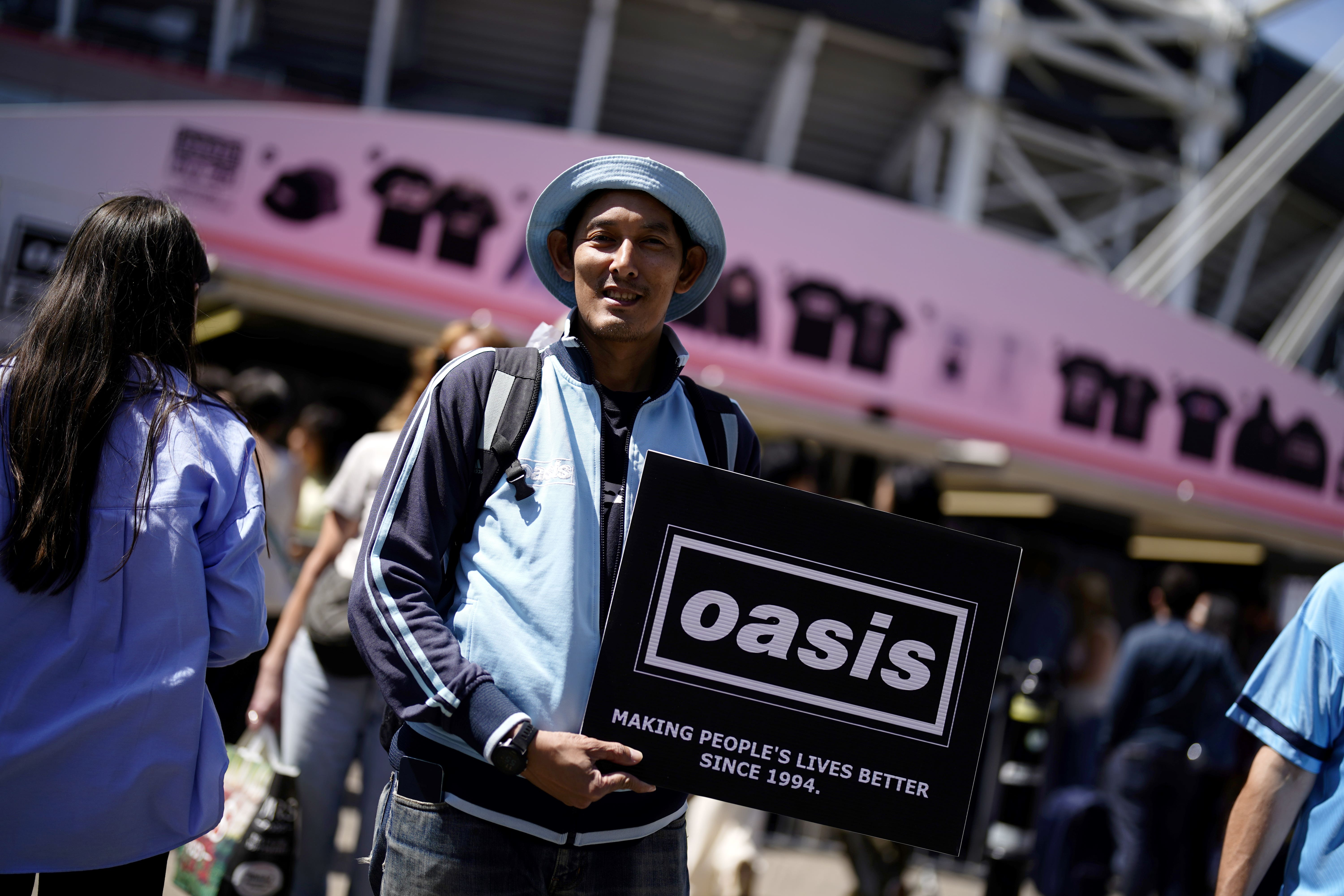
It was a similar deal with Oasis and their much-vaunted comeback tour. While the cheapest tickets started at around £73 for seated spots and general standing tickets were initially about £150 – a far cry from the £22.50 admission for the band’s Knebworth gig back in 1996 – dynamic pricing saw these numbers escalate wildly. Writing for The Independent, Emma Clarke described the practice as a “disgraceful racket” after waiting for hours, only to be offered tickets for £700 each.
However long-awaited a reunion might be, and however great a night out you might end up having, surely shelling out more than the cost of a Glastonbury ticket – more, in fact, than the cost of a trip abroad – is beyond the pale?
Over the past 30 years, the average UK concert ticket price has increased by 521 per cent, according to analysis from the Yorkshire Post. In 1996, it was £16.99; in 2025, it’s £105.60. If ticket prices had risen in line with inflation, that number would be £34.18. Furthermore, the biggest price jump has happened only very recently, with gigs seeing a massive 80.5 per cent increase between 2021 and now.
It raises the question: who is able to afford all of these lovely, real-world experiences? I know some people who took their kids to see the artist du jour, whether it be Tay-Tay, Sabrina Carpenter or Olivia Rodrigo, more than once. Is everyone suddenly a secret millionaire nowadays?
Unlikely. In fact, people may be cutting back in other areas of life to meet the arm-and-a-leg costs for these IRL “bucket list” activities. Fewer UK families went on holiday this summer as the cost of living crisis hit household budgets, according to Advantage Travel Partnership. The travel trade organisation said its members recorded a 3 per cent reduction in the number of holidaymakers travelling as part of a family in summer 2025 compared with the previous year. Holiday group Jet2, meanwhile, cut its winter flight programme in September, saying earnings will be towards the lower end of forecasts due to a “less certain consumer environment”.
For others, the more concerning answer is that they’ll simply shove it on the credit card and saddle themselves with debt so they don’t miss out. The average credit card debt per borrower climbed to £2,920 this year, according to TransUnion’s consumer credit report 2025; the average credit card balance per borrower has grown by 15 per cent since 2022.
Clearly, something’s got to give. I don’t want to have to consider selling my vital organs every time I get invited out for tapas. But for now, at least, life’s little pleasures feel increasingly out of reach for the average Brit.
How to pay less for your meds at the pharmacy, according to pharmacists
Judi Dench blames social media for ‘marked lack of interest in the arts’
The tragic truth about Nick Reiner and how his parents desperately tried to help him
Nicotine pouches: Do they work, are they safe and are they better than vaping?