
Do you want a cookie? Your answer to that likely depends on whether you’re a consumer or an advertiser.
For years, advertisers have relied on cookies—packets of code that allow sites to track a user’s browsing habits—to collect data on consumers and serve more personalized ads to users. But that era of easy data scraping is coming to an end.
“People are reluctant to allow anyone to collect information everywhere, which is basically what cookies were doing,” says Duncan Steels, vice president of customer transformation at consultancy Capgemini Invent.
“Increasingly, consumers are reluctant to give up data without some kind of value exchange and, when it comes down to the individual brand value exchange, they are more willing if it's with a brand they trust.”
The public pushback against wanton data collection began in earnest in 2016, when the EU passed its General Data Protection Regulation, setting stricter standards for how and when sites can collect data. The private sector has cut back on cookies, too, as the technology grows outdated.
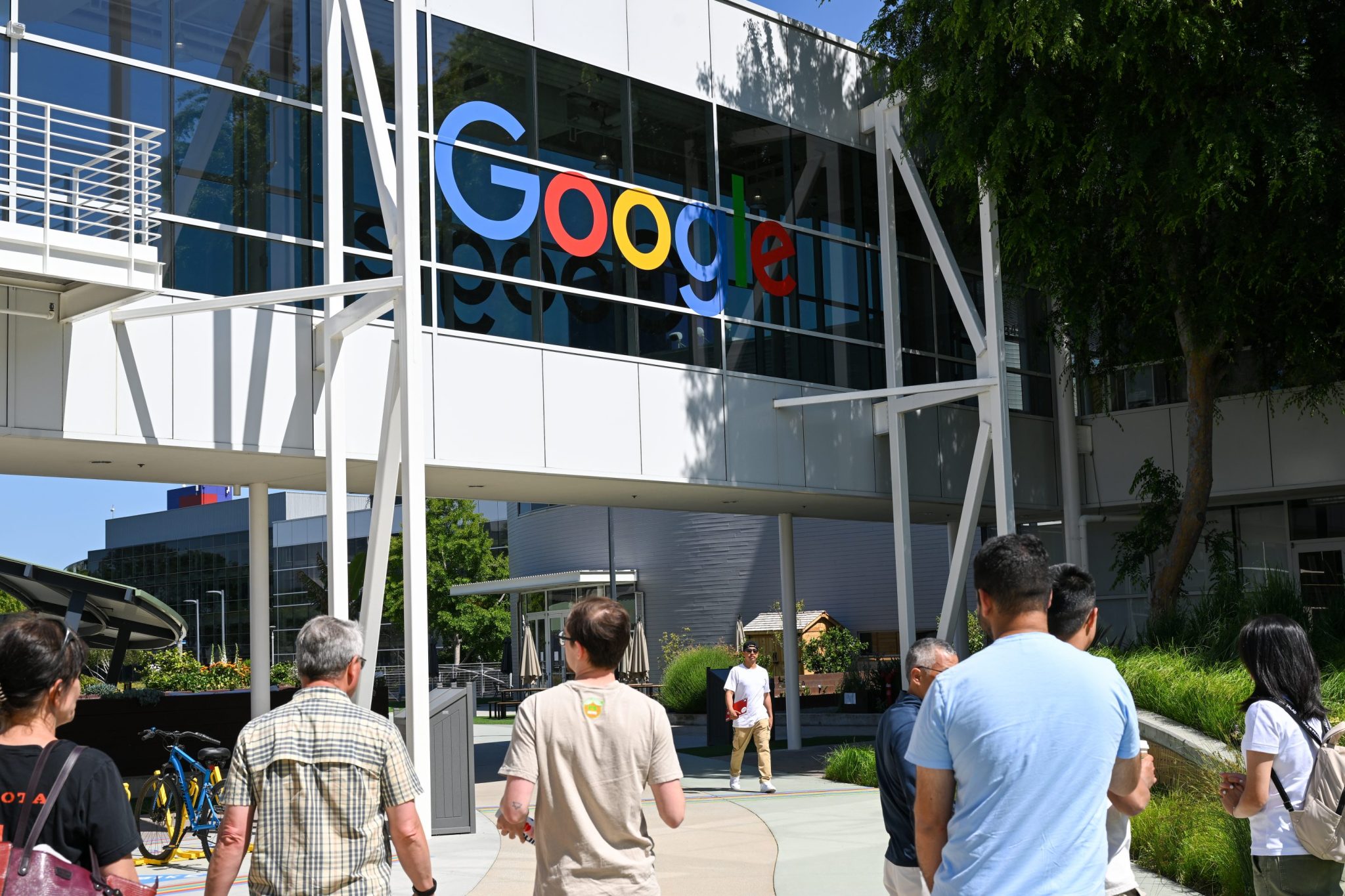
In 2021 Apple restricted the volume of data third parties are able to harvest from iOS devices, slashing the ad revenue of companies like Facebook, that rely on deep data pools to serve up personalized ads. Google says it plans to eliminate third-party cookies from its Chrome browser, too, potentially next year.
“We are increasingly advising brands that they need to know an awful lot more about their customers because cookies are going away,” Steels says. The phaseout of cookies—a process the industry calls “cookie deprecation”—has left advertisers scrambling for new ways to continue marketing relevant and impactful content to consumers.
“You do have an oxymoron in place because everyone says they want more relevancy and more context to ads but, at the same time, I think everyone is hesitant to give up data. That’s creating a very interesting paradigm because, well, trust is not something that's created equal across brands,” Steels says.
Trusted brands, or at least brands consumers engage with most often, are more likely to come out ahead in the post-cookie era as they will be able to accumulate their own first-party data—sourcing information directly from consumers. Meanwhile, as consumer data grows increasingly siloed behind the walled gardens of trusted brands, less influential companies will face the increased challenge and cost of sourcing data from the trusted ones.
Building that trust in the first place, however, is best done before a brand starts requesting access to personal information, and there are several levels of trust building Steels advises brands to follow.
At the fundamental level are the basics of data protection, ensuring a consumer’s personal information and security aren’t compromised. Consumers also respond to, and are inclined to trust, companies with “richer brand stories that have meaning for them,” Steels says.
Finally, brands should build empathy with their consumers, being mindful of utilizing their data in a “safe and controlled way” that doesn’t freak the customer out. If brands can get all that right then “the sky’s the limit” on how data can be utilized to deliver unique experiences and services to customers. Especially as technology evolves to both parse data faster and provide more immersive experiences.
Steels likes to think of the evolution in personalized ads as the beginning of the era of the local shopkeeper, who had a personal relationship with their customers, knew their preferences, and could make targeted suggestions to them based on that data.
"Then the mass brands came along, accruing millions of customers, and that personal touch was basically impossible to achieve. Now, with new generations of technology...there's no reason why that original shopkeeper experience can't be emulated in a digital realm."
Eamon Barrett
eamon.barrett@fortune.com









.jpg?w=600)



