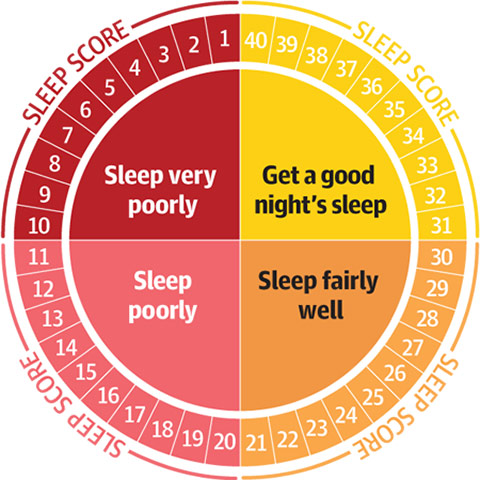
Your sleep score is based on the pattern and quality of your sleep over the past month. Use this key for the following four slides. Photograph: Guardian
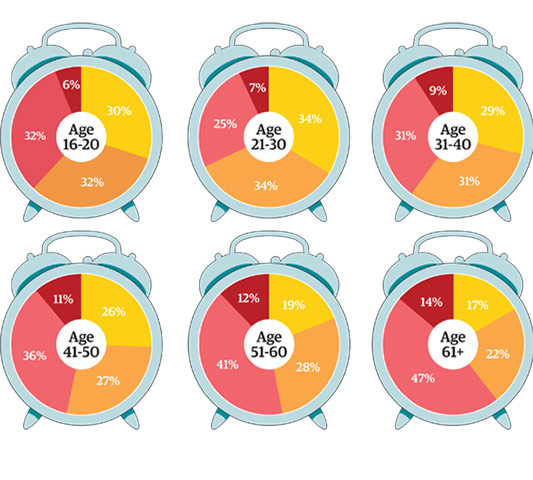
To date, over 6,000 people have taken part in the Great British Sleep Survey, Sleepio’s online survey of the nation’s sleep. The responses so far show the sleep score, an overall measure of sleep quality, deteriorating steadily with age. Photograph: Guardian
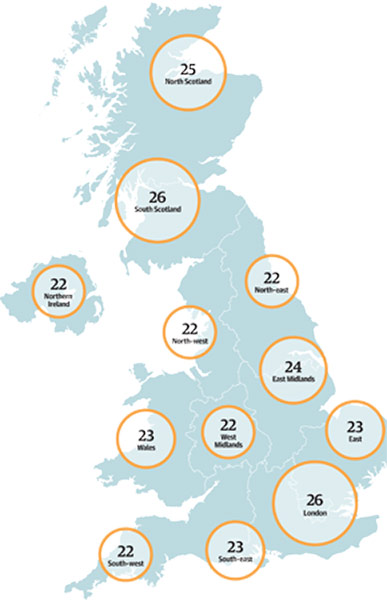
Despite their hectic lifestyles, Londoners appear to be sleeping as well as those in the south of Scotland. This may be due to London’s relatively youthful population: twentysomethings anywhere get a better night’s sleep than most. It’s interesting to see a band of lower figures through the Midlands – only two points away from what is classified as “poor” quality sleep. Photograph: Guardian
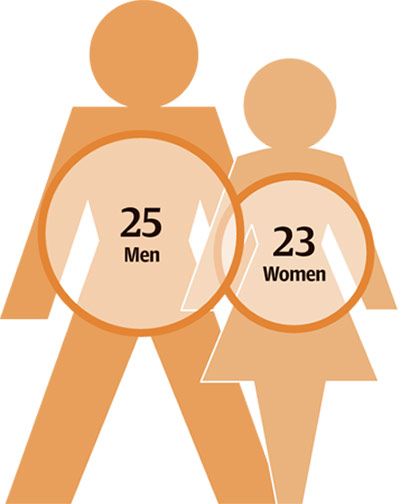
On average, it seems that male respondents experience marginally better sleep than their female equivalents. This is consistent with the higher reported prevalence of insomnia among women. Photograph: Guardian

These results are consistent with the established pattern of sleep quality changing with age. The average sleep score peaks among those in their 20s, and decreases as age increases. With an average sleep score of 20, many over-60s endure a fractured sleep pattern. Photograph: Guardian

The responses for the following three slides have been bracketed according to age. See how your sleep pattern compares to the rest of your age group. Photograph: Guardian
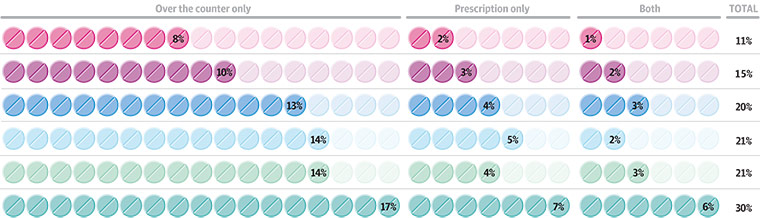
The oldest respondents were twice as likely to take sleeping pills as their younger counterparts, with 30% of the over-60s taking prescription or over-the-counter pills versus 15% of 21- to 30-year-olds. This pattern echoes the decline in sleep quality with age seen on page 12, and reflects how readily many poor sleepers turn to medication. Photograph: Guardian
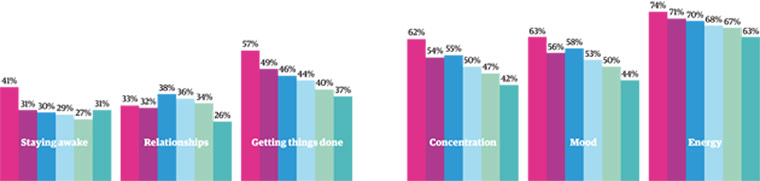
Often the most distressing aspect of poor sleep is the effect it has on your day. The percentages below represent the proportion of people who reported each aspect of their daytime functioning to be affected “somewhat”, “much” or “very much” by poor sleep. The results are grouped by age. Despite the general decline in sleep quality with age, it seems that the impact of poor sleep on our waking lives decreases as we get older. Photograph: Guardian
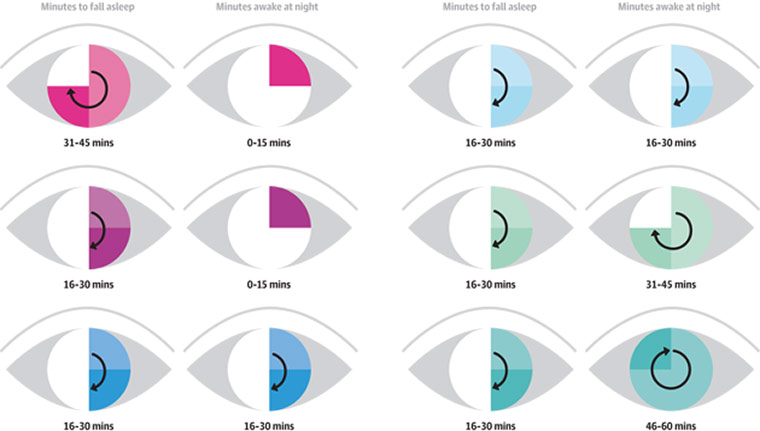
The average time taken to fall asleep is between 16–30 minutes across most age groups, apart from 16- to 20-year-olds. However, as age increases so do the minutes spent awake during the night, with the over-60s spending up to an hour staring at the ceiling each night. In contrast, the youngest respondents’ sleep is rarely disturbed. Photograph: Guardian