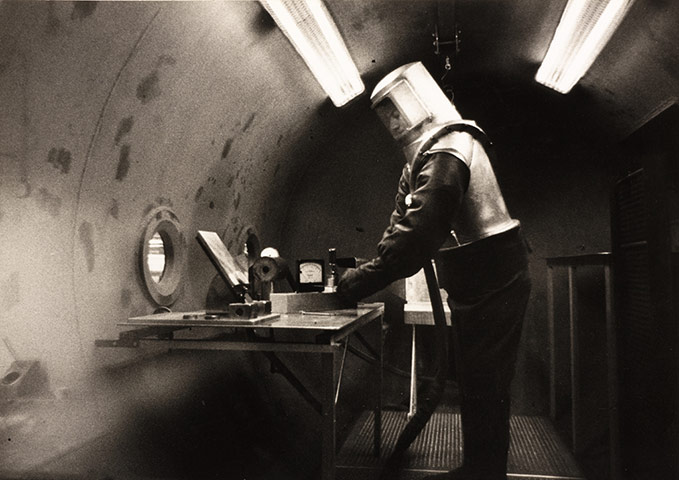
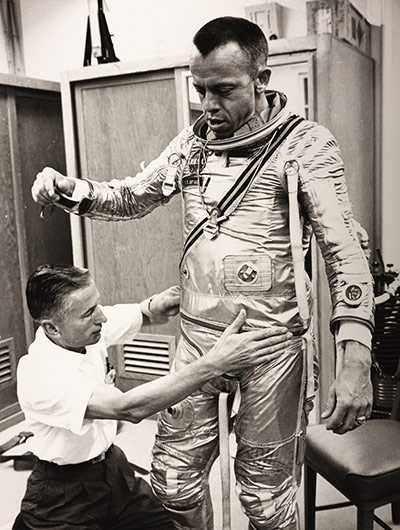
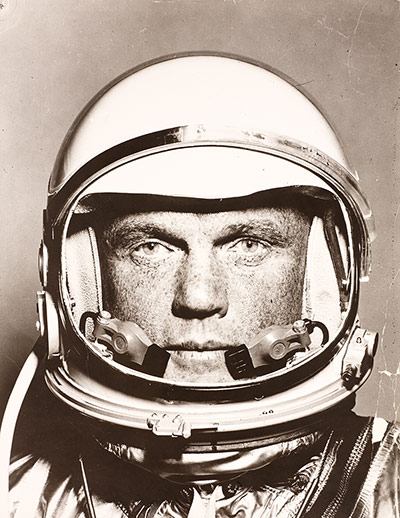
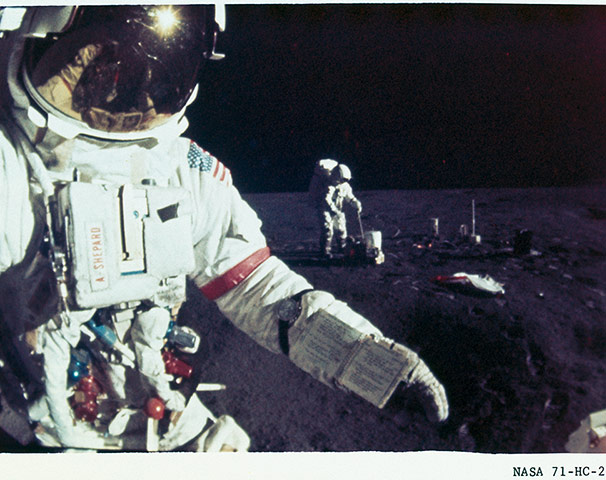
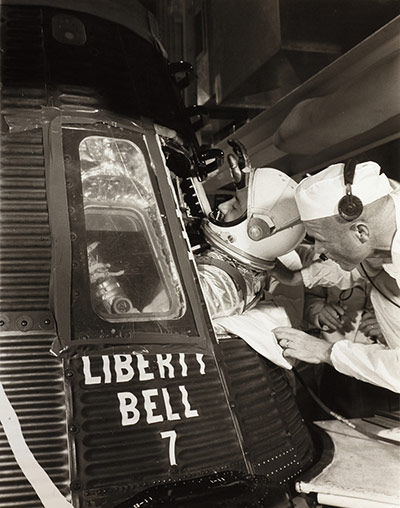
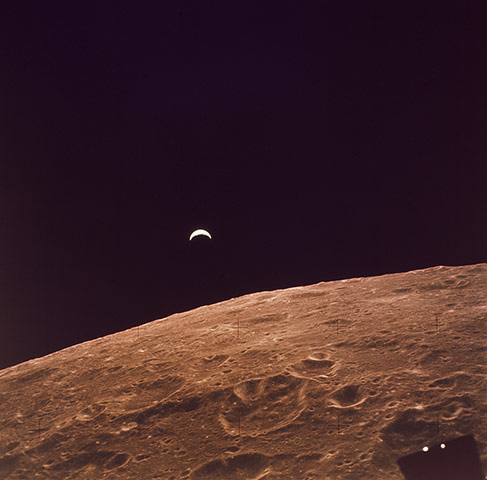
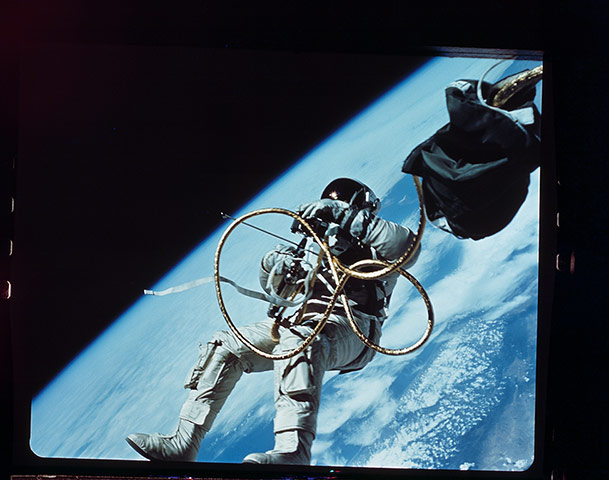
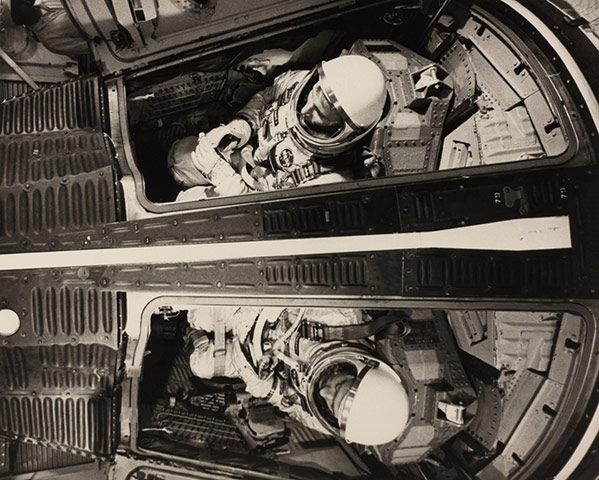
An early prototype of a spacesuit being tested in the late 1950s in AmericaPhotograph: Erich Hartmann/Courtesy of WestLichtAlan Shepard is prepared for flight on the Mercury-Redstone 3 mission in May 1961. Shepard was the first American in spacePhotograph: Courtesy of WestLichtJohn Glenn ready for his Friendship 7 flight in February 1962. The picture is likely to have been taken by the photographer Ralph MorsePhotograph: Courtesy of WestLicht
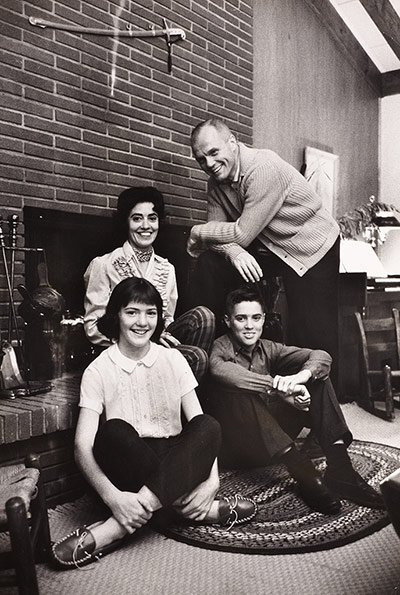
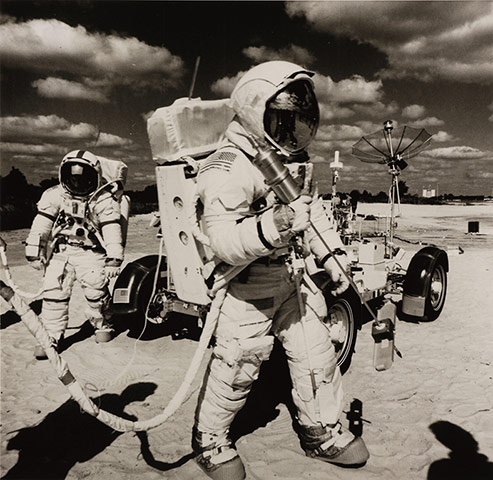
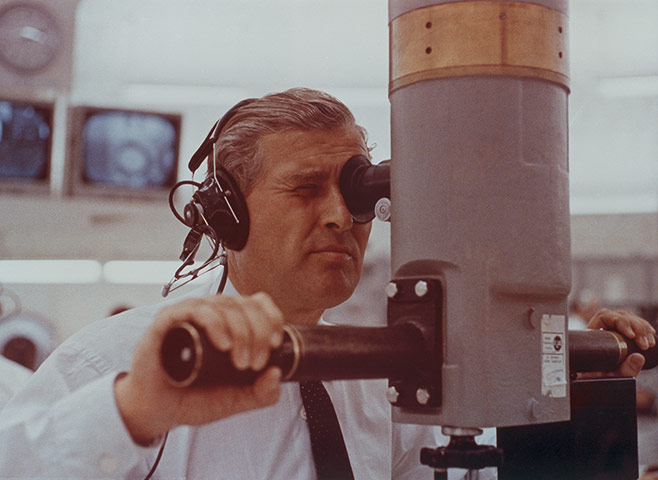
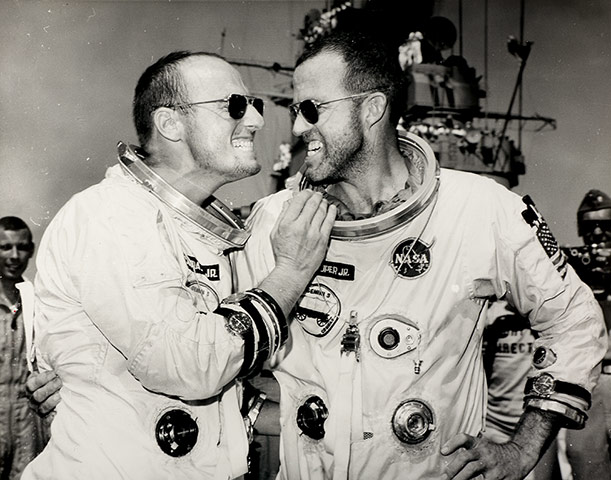
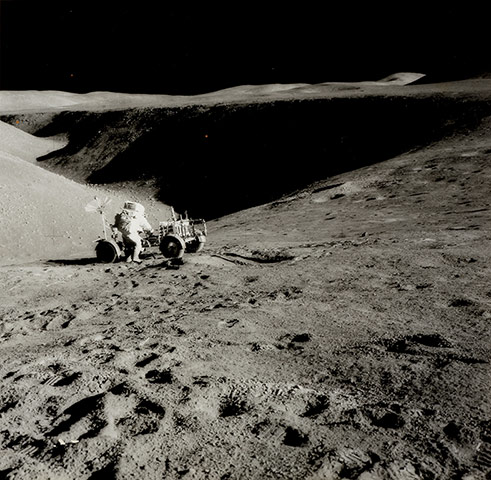
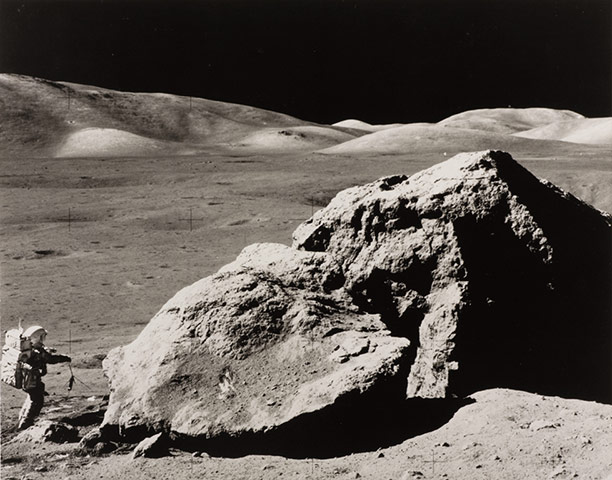
John Glenn and family at home. Life magazine photographer Ralph Morse was assigned to photograph the early US astronauts and their families in their homes, to give a human face to the Mercury space programmePhotograph: Ralph Morse/Courtesy of WestLichtApollo 14 commander Alan ShepardPhotograph: Courtesy of WestLichtFlight prepapations for the Mercury-Redstone 4 mission, with astronaut Virgil 'Gus' Grissom in the Liberty Bell 7 flight module, in July 1961 Photograph: Courtesy of WestLichtAgena Target Vehicle, also referred to as Thus, part of the Gemini 12 mission in November 1966 Photograph: Courtesy of WestLichtAn Apollo 12 crew member using a video camera on the moon in November 1969Photograph: Courtesy of WestLichtThe Earth as seen from the moon during the Apollo 12 mission. Apollo 12 was the sixth manned flight in the Apollo programme and the second to land on the moonPhotograph: Courtesy of WestLichtAn unidentified crew member emerges from Apollo 9. Commander James McDivitt, command module pilot David Scott and lunar module pilot Rusty Schweickart spent 10 days in low Earth orbit in 1969Photograph: Courtesy of WestLichtAstronaut Ed White spacewalking over southern California during the Gemini 4 mission in June 1965. White and James McDivitt circled the Earth 66 times in four daysPhotograph: Courtesy of WestLichtCrew members Ed White and James McDivitt during pre-launch preparations for Gemini 4 in 1965. White was killed January 1967 with fellow astronauts Gus Grissom and Roger Chaffee during pre-launch testing for Apollo 1, when fire broke out in their capsulePhotograph: Courtesy of WestLichtTraining in the US for Apollo 17 in December 1972, the last moon landingsPhotograph: Courtesy of WestLichtWernher von Braun, the technical driving force behind the US space programme in the 1950s and 60sPhotograph: Courtesy of WestLichtGordon Cooper and Charles 'Pete' Conrad in high spirits aboard a US navy recovery ship after their Gemini 5 flight in August 1965Photograph: Courtesy of WestLichtAt the time, Nasa called Apollo 15 the most successful manned flight ever achieved. Commander David Scott and lunar module pilot James Irwin spent three days on the moonPhotograph: Courtesy of WestLichtA geological survey walk on the moon in December 1972, the last Apollo missionPhotograph: Courtesy of WestLicht
Sign up to read this article
Read news from 100's of titles, curated specifically for you.