The glitterati's gold: Imperial Treasures from Vienna – in pictures
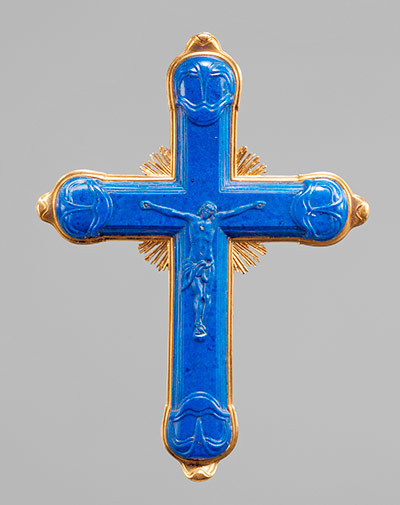
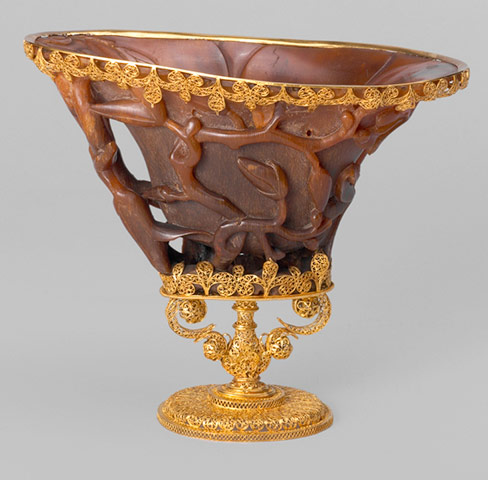
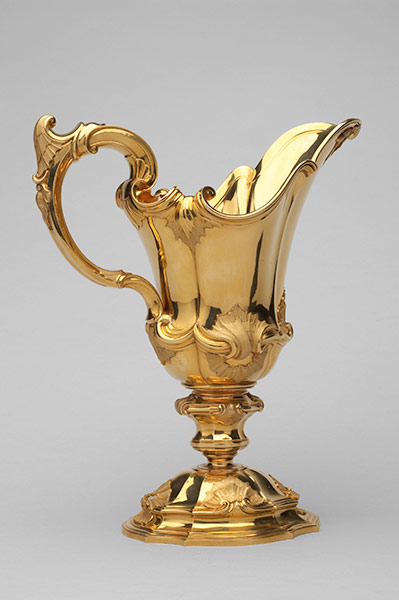
Crucifix from Florence, c 1746 It is the deep blue lapis that makes this crucifix by the French goldsmith Louis Siries – his first independent work – so wonderfully striking. Both the carved stone and gold mount are evidence of an incredibly skilled perfectionist – Mark BrownPhotograph: Kunsthistorisches Museum ViennaA drinking vessel made from rhinoceros horn. The goblet, made from the horn of a Javan rhino – now only found in Indonesia and Vietnam – is from Ming dynasty China, early 17th century while the gold filigree stand is from Goa, later in the 17th century. Drinking from rare rhino horn cups was believed to neutralise poison and clean the blood, although it’s doubtful this was ever used for drinking – Mark BrownPhotograph: Kunsthistorisches Museum ViennaGold ewer (vase-shaped pitcher) from the toilette set for Emperor Franz I. If you’re married to the Holy Roman Empress Maria Theresa (Marie-Antoinette’s mother) then it almost goes without saying that your shaving kit – razors, basin, ewer etc – will be 18-carat gold. His toiletry set is one of the greatest achievements of Viennese goldsmith Anton Matthias Domanek, made in Vienna, c1750 – Mark Brown Photograph: Kunsthistorisches Museum Vienna
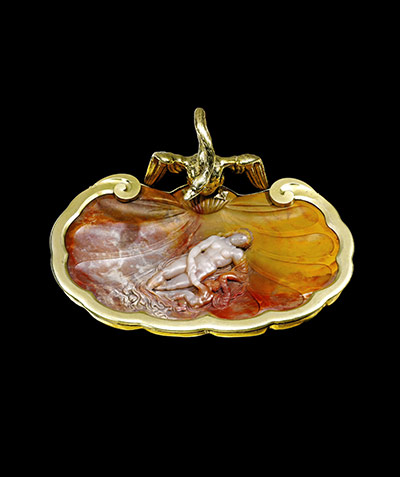
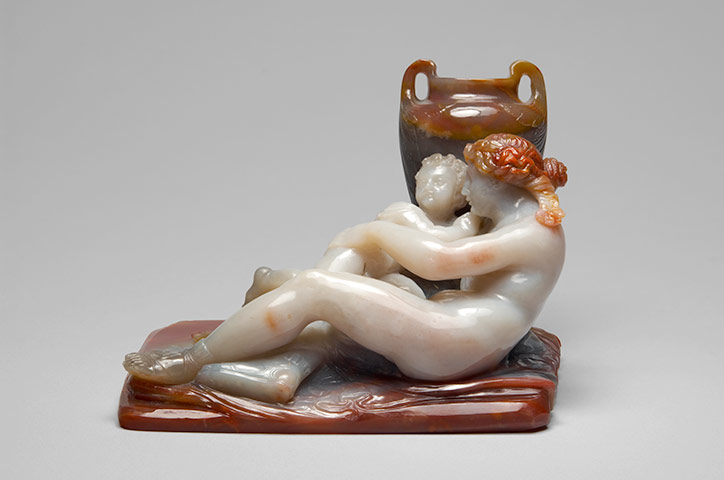
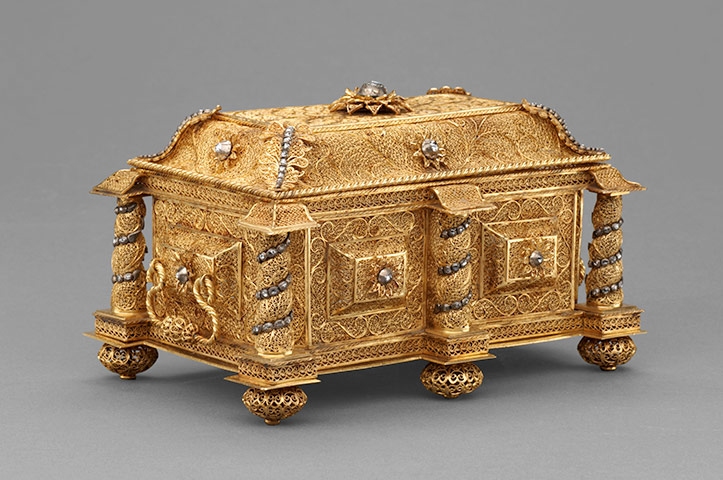
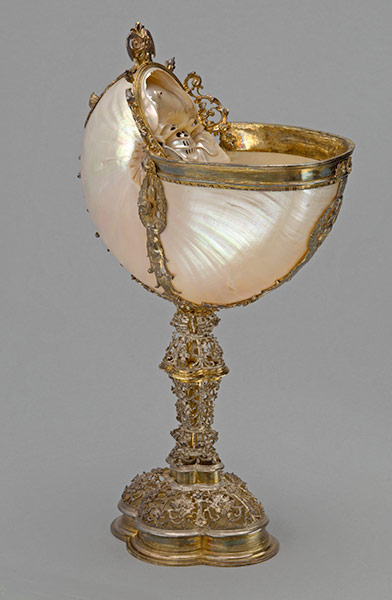
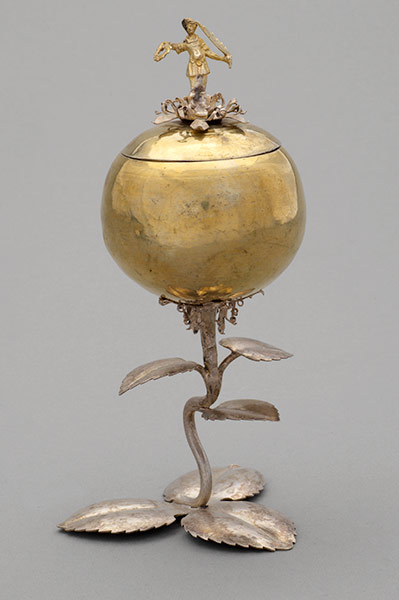
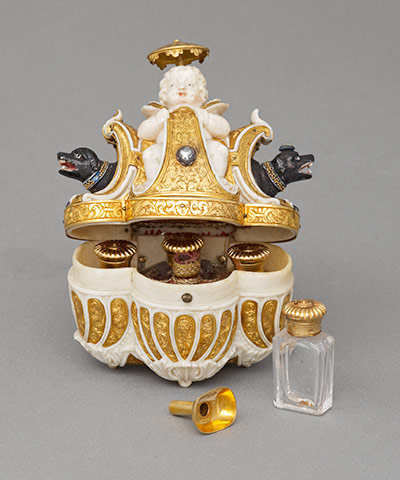
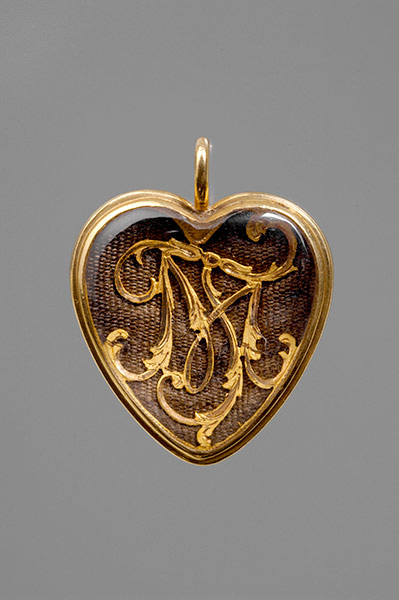
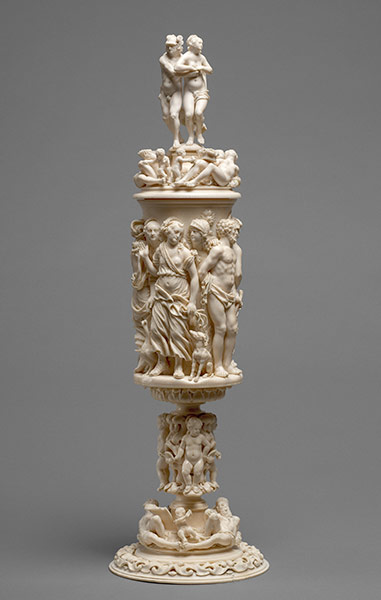
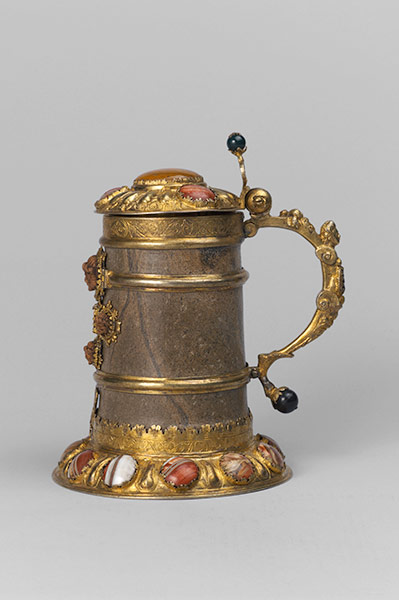
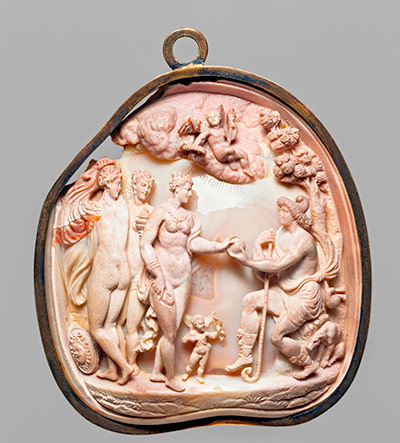
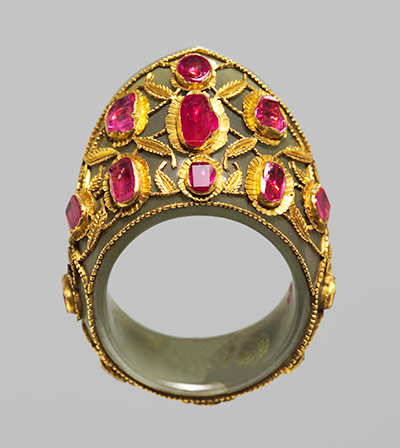
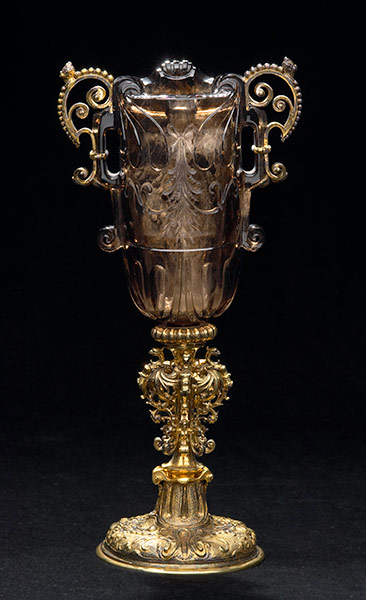
Venus and Cupid Sleeping on a Shell Being Observed by Jupiter in the Form of a Swan, on a cup cover. Attributed to Giovanni Ambrogio Miseroni (1551-1616). Emperor Rudolph II was an enthusiastic patron of the Miseroni family from Milan, known as the finest of any Renaissance hardstone engravers. This piece was created for Rudolph in 1600 but was something of a lost masterpiece between 1796 and recently, when its origins became known again. It sold at Sotheby's for £1.5m last month and has been loaned to Fitzwilliam for the show's durationPhotograph: Kunsthistorisches Museum ViennaReclining Venus with Cupid. Another hardstone carving attributed to Giovanni Ambrogio Miseroni, Milan or Prague, c1600 - 1610 Photograph: Kunsthistorisches Museum ViennaCasket of gold filigree and diamonds, Goa (India), mid 17th century (casket); late 17th or first third of the 18th century (diamond setting) Photograph: Kunsthistorisches Museum ViennaNautilus cup made by Ulrich I Ment, Augsburg, c1624 - 1628 Photograph: Kunsthistorisches Museum ViennaCup in the shape of an apple, Marx Merzenbach, Augsburg, c1665 - 1669, silver, parcel-gilt Photograph: Kunsthistorisches Museum ViennaCasket with perfume flasks, fourth quarter of the 17th century, ivory, gold, silver, diamonds, silk, glass Photograph: Kunsthistorisches Museum ViennaHeart-shaped pendant containing locks of hair of Empress Maria Theresa Vienna, late 18th century Photograph: Kunsthistorisches Museum ViennaIvory cup, by Bernhard Strauss, Augsburg, c1660 - 1670Photograph: Kunsthistorisches Museum ViennaLidded Tankard made from Serpentine, Saxony (Germany), late 16th century, serpentine, silver-gilt, jasper, agate, marble, wood and ivory Photograph: Kunsthistorisches Museum ViennaPortrait medallion of Emperor Charles V, northern Italy, c1535 - 1540, ivory capsule c1600 Photograph: Kunsthistorisches Museum ViennaThe Judgment of Paris, by Alessandro Masnago, Milan, second half of the 16th century, agate, gilt silver Photograph: Kunsthistorisches Museum ViennaThumb ring (zehgir) Ottoman Empire, second half of the 16th century, nephrite, gold, rubies Photograph: Kunsthistorisches Museum ViennaSmoky-quartz goblet, by Ottavio Miseroni, Dionysio Miseroni and Master HC, Prague, c1620 - 1628 and Vienna, c1620 - 1630 (mounts), smoky-quartz, gilt silver Photograph: Kunsthistorisches Museum Vienna
Sign up to read this article
Read news from 100’s of titles, curated specifically for you.