Cities everywhere are rethinking what home means. As more people move into urban areas, space gets tight, prices rise, and older zoning rules begin to feel outdated.
Accessory dwelling units (ADUs) and duplexes are stepping into the spotlight as flexible, sustainable ways to ease those pressures. They help cities grow without forcing huge, expensive developments, and they give homeowners more control over their property. Here’s a closer exploration of their upsides and impact.
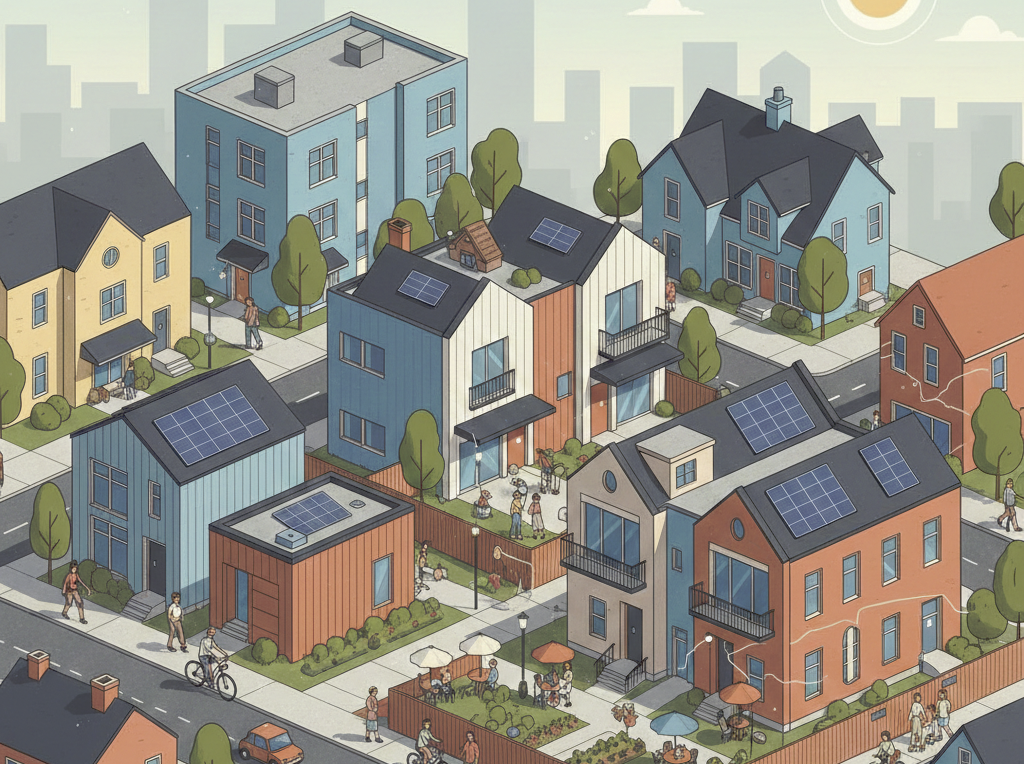
Image Source: Google Gemini
What ADUs Bring to Neighborhoods
ADUs have been gaining momentum for several years, and recent research shows why they are becoming such a major part of housing strategies. According to research by Urban Land Institute, policy updates and modernized permitting are helping more homeowners build small units without the usual red tape.
These smaller units change how neighborhoods work. They offer rental opportunities, keep families close, and create more inclusive communities. Local reporting shows this shift too. In a study by Axios, ADUs made up a significant share of new housing in San Diego after the city streamlined its rules. That trend is spreading as more cities want compact, faster housing solutions.
Here are a few reasons people are embracing ADUs:
- They create flexible living space
- They support multigenerational households
- They make neighborhoods more walkable by adding gentle density
Homeowners looking to expand their property options often explore custom builders, and the good news is you can find a premier ADU builder here to get more guidance and assistance with learning how a small unit could fit your lot. Connecting with reputable professionals who know ADUs inside out, literally, is a savvy step if you want the best end results from your project.
Duplexes Are Quietly Changing Urban Blocks
Duplexes are also becoming a major part of the modern city. They offer the feel of a single family home but allow two households to live on the same property. As more cities relax zoning, duplexes help add homes without changing the character of a street.
Why Duplexes Work Well in Busy Cities
They provide steady rental income, let extended families share a property, and help reduce the cost of building per unit. In fact, smaller multifamily options like duplexes and ADUs are being used to adapt older properties instead of tearing them down. That means cities can add housing while keeping historic areas intact, bringing the best of both worlds.
The Lifestyle Shift
People want neighborhoods where they can walk to stores, live near friends or relatives, and still have privacy, because where you live impacts happiness. Duplexes hit the sweet spot since they add residents without overcrowding. They work especially well near transit lines or mixed use streets where density makes life easier, not harder.
Looking Ahead at Urban Living
As these building styles become more common, cities will likely continue expanding rules that support small scale housing. State and local governments are testing new permitting systems, reducing long waits for homeowners, and publishing preapproved plans that speed up construction. At the moment there’s a clear push toward sustainable design, smart home systems, and layouts that can change over time as families grow or shrink.
The Bottom Line
More people are seeing that housing doesn’t need to be massive to be meaningful. Small homes can keep neighborhoods alive, help ease housing shortages, and give residents choices that fit their lifestyle. As urban living evolves, ADUs and duplexes are becoming the quiet backbone of stronger, more connected communities.
If you enjoy learning how housing trends shape cities, keep exploring articles like this to stay ahead of what’s coming next.