It seems to me that in recent years the office has stopped being the only space for work. More and more companies are moving to remote or hybrid formats, and the traditional idea of the office is changing. We live in a reality where a laptop and a stable internet connection have become a full-fledged workplace. At the same time, the office format itself remains important — only its function is different now. I see the future of offices more as a place for meetings, communication, and the exchange of experience rather than daily employee presence.
Office as a Communication Hub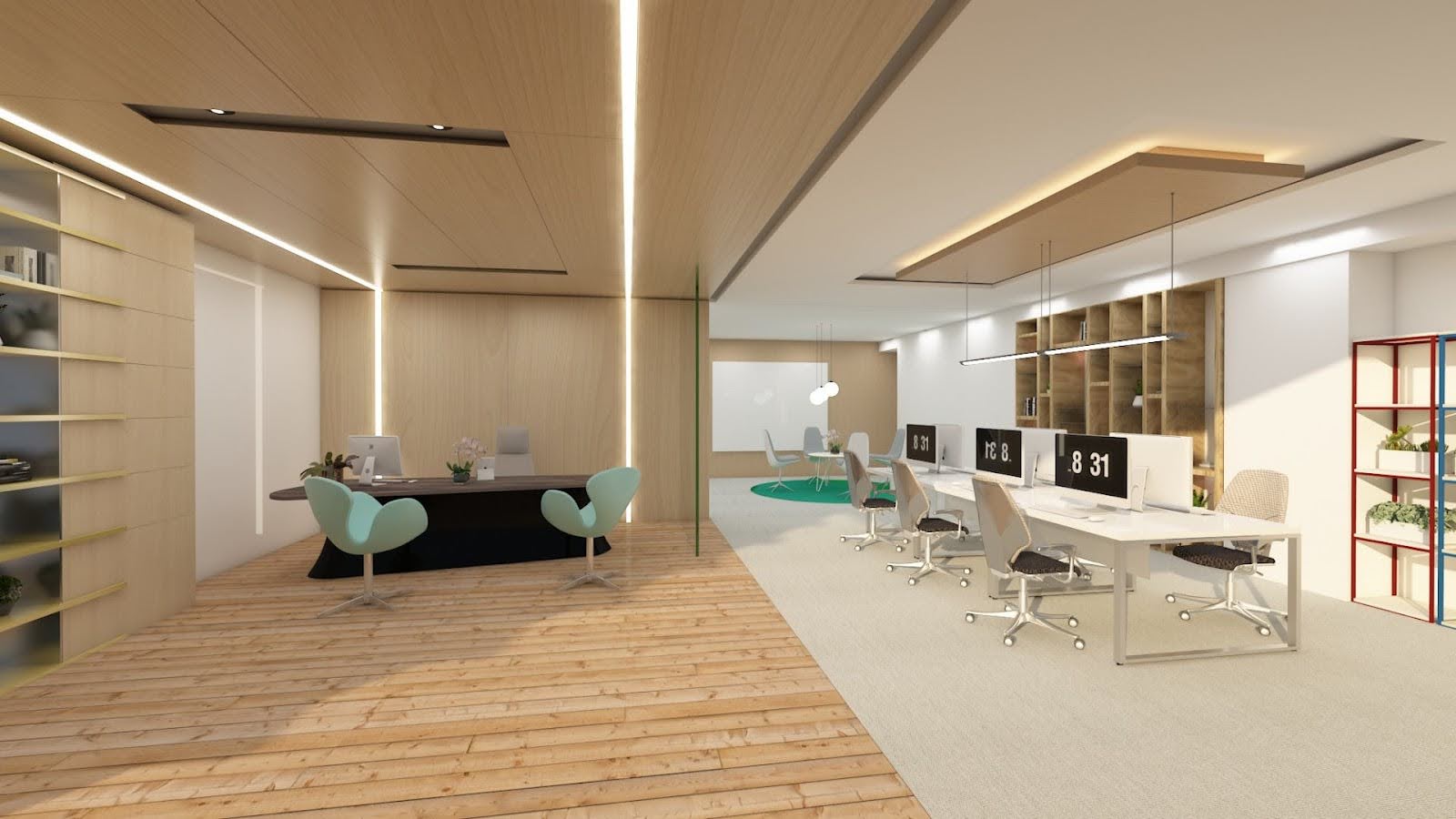
In the past, the office was the place where most of the work happened: employees carried out tasks, discussed projects, and spent most of their time at shared desks. Now, when a significant part of processes can easily be handled remotely, the role of the office is changing. It is no longer an obligatory point of presence and is increasingly turning into a space for meetings and collaborative discussions.
You can find similar examples in gaming. In Dota 2 or CS2, teams often train from different cities or even countries, but before major tournaments they always gather together to set strategies and strengthen team spirit. This model is very close to what the future of offices will look like: they will become places of synergy and real interaction, where physical presence carries special value. In this context, a reference to Dota news fits naturally, since it shows how a team gains strength through direct collaboration.
Another important aspect is the atmosphere. Online formats can hardly replace the energy that comes from face-to-face interaction: a quick chat in the kitchen, a random idea shared in the hallway, or a project discussed over a cup of coffee. All of this creates additional value, and it is precisely for this reason that people will still come to the office, even if most of their tasks can be handled from home.
Hybrid Work Formats
I am convinced that the hybrid model will become the foundation of the future. Employees will come to the office a few times a week or only when it is truly necessary, while spending the rest of their time working from home or in coworking spaces. This approach makes it possible to maintain a balance between flexibility and teamwork.
I see similar examples in the gaming environment. In League of Legends, you can play solo, gather as a team, or combine these formats depending on the task. This adaptability mirrors how companies will structure their workflows: some tasks are solved individually, while others require collective presence. That’s why it makes sense to mention lol news, where there are always fresh examples of constant change and the need to adapt to new conditions.
For me, this shows that the hybrid model is not a compromise but a strong point of the future office. It creates conditions where people can choose for themselves how to work more effectively, while companies maintain team culture without being rigidly tied to a specific location.
Technologies as Part of the Office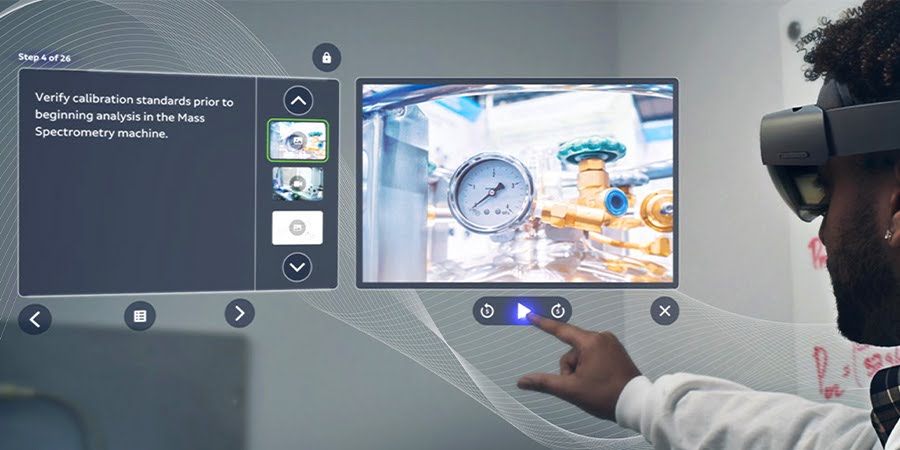
I believe it is important that the office of the future will not just be a space filled with desks. It will become a multifunctional environment, designed for different work scenarios: from quick meetings to in-depth project analysis. Technologies will play a key role in making the workflow more flexible and more visual.
I imagine an office with VR rooms for presentations, interactive panels for collaborative idea editing, and smart boards that save every note and automatically send it to the cloud. Employees won’t need to take photos of notes on their phones or share screenshots with each other — everything will happen in just one click. Fast access to cloud systems will allow teams to continue discussions even after a meeting has ended.
I find a strong analogy in modern games. In Fortnite or Valorant, social and communication features have long been integrated, going far beyond “just playing”: there you can not only fight but also build shared worlds, exchange emotions, and even attend virtual concerts. Likewise, the office of the future will become a platform where technologies support not only productivity but also a sense of belonging.
Social Function and Atmosphere
I believe that offices will continue to be places where people feel like part of a team. Even if most tasks are completed remotely, the need for live communication and peer support will still remain. Physical presence creates that very sense of belonging which cannot be fully reproduced in an online environment.
For me, the informal aspect is just as important: the office provides opportunities to discuss ideas not only in meetings but also in casual conversations — in the kitchen, in the hallway, or over a cup of coffee. These short dialogues often turn out to be sources of fresh ideas and solutions that would not have appeared within the framework of a strictly planned call. This “living fabric of communication” is what will keep the office a significant part of work culture.
A good example of this is the concept of an esports bootcamp. Teams may train online for months, but the moment they gather together in one space, an extra energy is born. Spending time together strengthens trust, helps teammates better understand each other’s reactions, and raises the overall level of interaction. I think that the offices of the future will perform exactly the same function for work collectives.
Conclusion
For me, it is clear that the future of offices lies not in the number of workstations but in their quality. These will be flexible spaces that allow employees to gather when it is truly necessary, rather than out of habit or formal obligation. The office will no longer be just a point of presence but an environment for strengthening the team, exchanging ideas, and supporting corporate culture.
I believe that in this format, offices will stop being perceived as daily routine and will instead be valued for the unique experiences they provide. This can be compared to gaming communities: people don’t come together every day, but when they do, the outcome is far more meaningful and inspiring. In my view, such an approach will make work more mindful and employee interaction deeper and more effective.