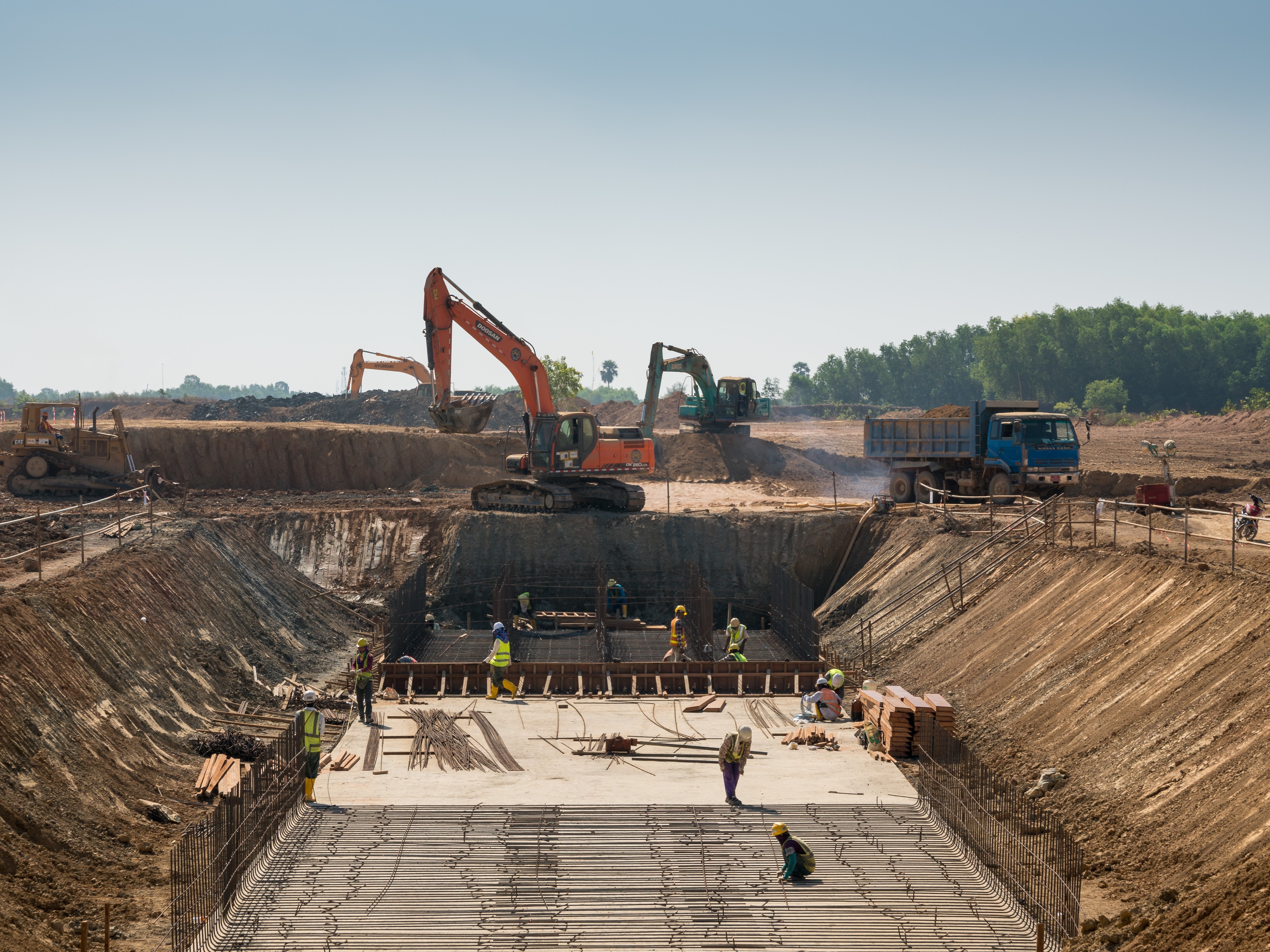
Infrastructure construction is rapidly evolving, driven by urban growth, new technology, and increasing demand for reliable utility systems. At the core of this change is trenching, a key method used to install and maintain underground infrastructure such as electrical, telecom, water, and sewer lines.
As cities expand and new systems like EV charging and high-speed internet become more common, trenching practices are also advancing. This article highlights the major trends shaping the future of trenching and what they mean for the next decade of construction
1. Growing Demand for Underground Utility Installation
One of the biggest trends shaping the future of trenching is the rising demand for underground utilities. Cities, developers, utility providers, and public agencies are investing heavily in new infrastructure and upgrades to aging systems.
Utility trenching is especially important for:
- Electrical conduit installation
- EV charging infrastructure
- Fiber optic and broadband expansion
- Telecom utility upgrades
- Water and sewer improvements
- Power distribution and grid modernization
As more communities expand electric vehicle charging stations, renewable energy systems, and high-speed internet access, trenching will continue to play a major role in building the underground networks that support daily life.
2. Smarter Trenching Through Technology
The future of trenching is not just about digging faster. It is about digging smarter. Technology is helping contractors improve accuracy, reduce mistakes, and better manage production in the field.
Some of the most important trenching technology trends include:
- GPS-assisted equipment and layout tools
- Drone mapping and aerial site documentation
- Digital plans and mobile field reporting
- Production tracking by footage, depth, and crew
- Improved utility locating and mapping
- Better coordination between field crews and project managers
These tools help reduce downtime, improve communication, and create more accurate records for owners, general contractors, and utility providers.
3. Safety Will Continue to Drive Trenching Practices
Safety has always been a major concern in trenching and excavation work. Over the next decade, safety requirements and damage prevention practices will continue to become even more important.
Utility strikes, trench collapses, equipment hazards, and unknown underground conditions can create serious risks. That is why contractors are placing more focus on:
- 811 and utility marking coordination
- Private utility locating when needed
- Hydro excavation for potholing and daylighting utilities
- Proper trench protection and excavation procedures
- Daily job hazard analysis
- Clear communication between operators, laborers, and inspectors
As underground utility corridors become more crowded, safe trenching practices will be one of the biggest factors separating experienced contractors from unprepared crews.
4. EV Infrastructure Is Creating New Trenching Opportunities
Electric vehicle infrastructure is one of the fastest-growing areas in construction. EV charging stations require underground electrical conduit, service upgrades, utility coordination, equipment pads, bollards, and surface restoration.
Trenching is often required to connect chargers to electrical panels, transformers, switchgear, and utility service points. This creates strong demand for contractors who understand both underground utility installation and site restoration.
For commercial properties, schools, public agencies, fleet yards, and retail centers, trenching for EV chargers must be planned carefully to reduce disruption to parking lots, sidewalks, landscaping, and business operations.
5. Hybrid Utility Installation: Trenching and Directional Drilling Together
The future of underground construction is not simply trenching versus directional drilling. In many cases, the best solution is a hybrid approach that uses both methods.
Trenching may be the best option when:
- The route is open and accessible
- Multiple conduits or utilities need to be installed
- Precise depth and bedding are required
- Surface restoration is manageable
Directional drilling may be better when:
- The route crosses roads, sidewalks, or landscaped areas
- Surface disruption must be minimized
- The project requires crossing under obstacles
- Open trenching would be too disruptive or costly
Experienced underground contractors like Devco often evaluate both methods to determine the safest, most cost-effective way to complete the installation.
6. Environmental and Surface Restoration Requirements Are Increasing
Trenching does not end when the conduit or pipe is installed. Backfill, compaction, asphalt repair, concrete restoration, erosion control, and site cleanup are all critical parts of the project.
Owners and agencies are placing more attention on:
- Proper backfill materials
- Compaction requirements
- Trench-width-only restoration
- Dust and erosion control
- Protection of existing improvements
- Cleaner and more organized jobsites
As environmental standards and public expectations increase, contractors must plan trenching work with restoration in mind from the beginning.
7. Skilled Operators and Better Planning Will Matter More Than Ever
Equipment is important, but skilled people are still the key to successful trenching projects. Operators, foremen, laborers, estimators, and project managers all play a role in keeping underground utility work on schedule and within budget.
Future trenching projects will require crews that understand:
- Utility plans and site conditions
- Excavation safety
- Equipment limitations
- Depth and grade requirements
- Backfill and restoration standards
- Daily production tracking
As labor shortages continue across the construction industry, contractors who train their crews and invest in planning will have a major advantage.
8. Cost Control and Production Tracking Will Shape the Next Decade
Utility trenching projects are often priced by linear foot, lump sum, or unit rate. Small changes in production, material handling, or restoration requirements can have a large impact on project cost.
Contractors are becoming more focused on tracking:
- Linear footage installed per day
- Depth and width of trench
- Equipment usage
- Labor hours
- Material quantities
- Change order conditions
Better tracking helps contractors provide more accurate pricing, reduce disputes, and improve future estimating.
Conclusion: Trenching Remains Essential to the Future of Infrastructure
The next decade of infrastructure construction will be shaped by underground utility growth, EV charging expansion, broadband upgrades, safer excavation practices, and smarter field technology.
Trenching will remain one of the most important methods for building this infrastructure. The contractors who succeed will be the ones who combine field experience with planning, safety, technology, and clean execution.
Whether the project involves electrical conduit, telecom, EV chargers, water, sewer, or other underground systems, the future belongs to contractors who can deliver underground utility work safely, efficiently, and with long-term reliability.
Need an experienced underground utility contractor? DEVCO Development and Engineering Directional Drilling and Hydro Excavation provides trenching, directional drilling, hydro excavation, potholing, and utility installation services for commercial, public works, and infrastructure projects.