NAPA VALLEY, Calif. _ As I floated 2,500 feet above this storied wine-producing valley in a hot air balloon, all I could see below was a vast mosaic of greens. Greens in every shade _ from palest lettuce to soft sage to vivid emerald. Soaring over the Mayacamas Mountain Range, a tantalizing view of Mount St. Helena (not to be confused with Washington state's Mount St. Helens) loomed in the distance _ a green silhouette pasted against a blue sky.
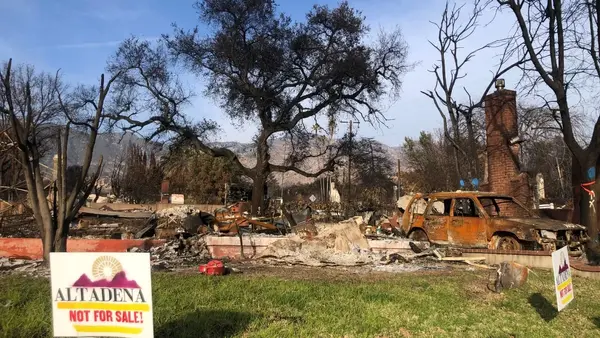
What I did not see was any visible reminder of the devastating wildfires that ravaged much of the region last October, leaving 41 people dead, 2,800 homes burned and 220,000 acres at least partially consumed.
If it can be said that a tragedy of this magnitude has any bright spot, it is that the area's 450 vineyards were minimally impacted. This was primarily the result of two factors, I was told.
First, the high maintenance required of commercial vineyards means there is virtually no dry brush surrounding them, and second, due to an unusually hot summer in 2017, 85 percent of the grapes had already been picked before the fires broke out. Those that remained were primarily Cabernet Sauvignon, which have the most resistance to contamination from smoke.
While I had originally considered postponing my trip for at least another couple of months, I'm glad now I didn't. From what I saw, Napa is once again ready to fully welcome wine-loving visitors.
If the best way to see the valley from above is on a balloon ride such as the one I did with Napa Valley Aloft (the hour-and-a-half ride is followed by a traditional champagne brunch), one of the best ways to see it on the ground is a journey on the Napa Valley Wine Train.
The sleek train � with all the accoutrements of the Golden Age of rail travel _ offers several itineraries, but I chose the six-hour Legacy Tour. Now, if you're thinking six hours is a lot of time to spend looking at grapes, just know that the Legacy Tour combines tastings at three wineries with a multi-course lunch aboard the train, with each course being served in between winery stops.
Our first stop was at Robert Mondavi Winery in Oakville for a tasting of their excellent Sauvignon Blanc and Cabernet Sauvignon wines. Our second was at Charles Krug Winery, the oldest commercial winery still in operation in Napa, having been founded in 1861. Sipping a glass of Reserve Cab Sauv, I found it hard to believe this winery opened the same year the Civil War started. Our final stop was at V. Sattui where our tasting took place at picnic tables in a grove of trees.
In addition to a good meal (the honey-fennel cracked mustard-glazed Pacific salmon main course was mouthwatering) and some exquisite wines, a trip on the Napa Wine Train will give you a better understanding of Napa as a wine destination. It's one of the world's most well-known wine regions, but it's also one of the smallest at just 30 miles long and five miles across between the main arteries of Highway 29 and the Silverado Trail. Interesting side note: of the 450 wineries, approximately 95 percent are still family-owned.