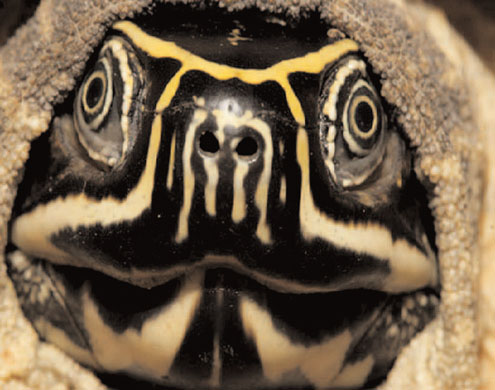
The guide, translated into five languages, identifies key features and characteristics to spot as well as alerting officers to a creature’s current conservation status Photograph: Chris Shepherd/Traffic
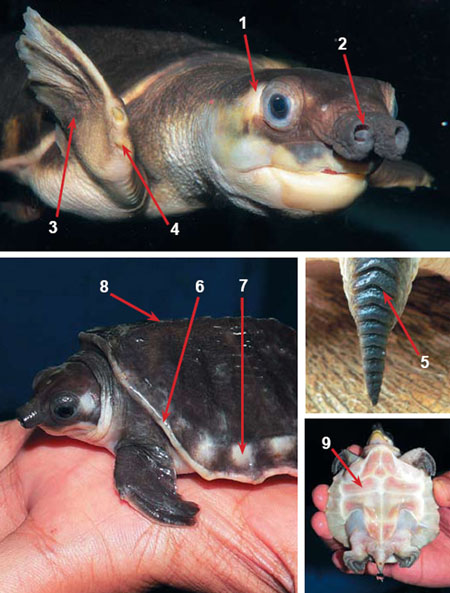
Traffic programme officer, Chris Shepherd, says the guide is user-friendly. "It’s not overly scientific. It's designed for those who don't have a biology or conservation background,” he says. “The big challenge is identifying species, and the idea is that the guys at the airport can do it on their own.” Photograph: Mark Auliya/Traffic
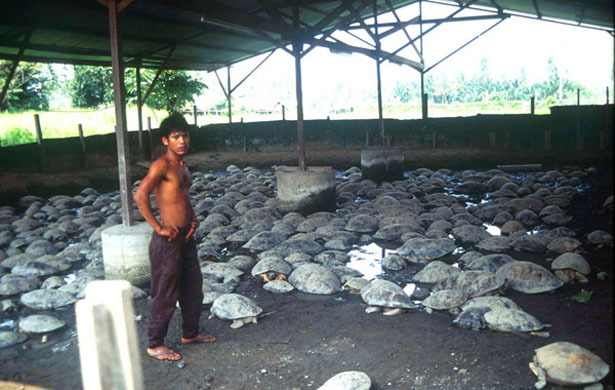
Indonesia, home to 10% of the world’s turtles, is the focus of most illegal trade with its capital Jakarta, the hub. In 1999 officers were seizing 25 tonnes of freshwater turtles a week from north Sumatra heading to China alone, many destined for inclusion in traditional medicine. Numbers traded have been in decline for decades, but the only reason, experts say, is because populations have been almost wiped out Photograph: Chris Shepherd/Traffic
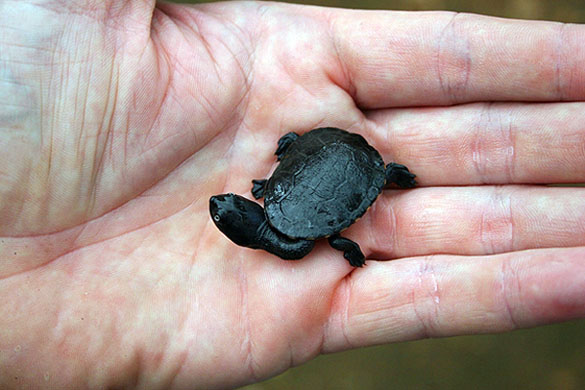
Only identified in 1994, this species is already all-but extinct because of high demand in the pet trade. There are just a few pockets of populations left and it is still illegally traded Photograph: Mark Auliya/Traffic
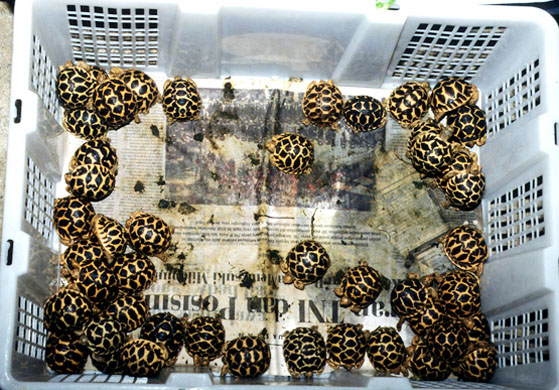
There is no commercial breeding of turtles, exotic or indigenous, in Indonesia, so all turtles traded are either taken from the wild within the country, or imported. Throughout Indonesia, tortoises and freshwater turtles are captured, often by rural workers, and sold to middlemen who supply reptile exporters or pet dealers who sell on to affluent customers and foreigners Photograph: Chris Shepherd/Traffic
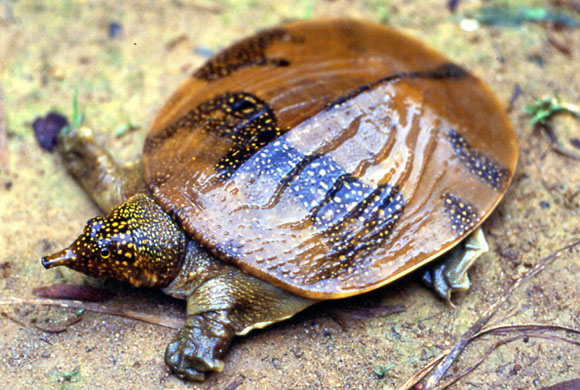
Permits are issued for some species to allow a certain number to be traded domestically or internationally. Six species are totally protected. However, permits are often faked or totally ignored and species that cannot be legally sold are typically twice as expensive as legal species Photograph: Mark Auliya/Traffic
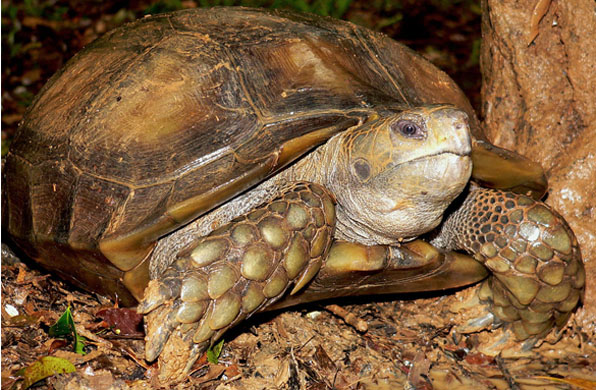
As Indonesia is mostly a Muslim country, locals do not tend to eat turtles, but desire for their meat is high in countries like Vietnam and China, where demand from the traditional medicine industry is also strong. Demand for pets from Japan and as far as Europe also fuels the trade Photograph: Mark Auliya/Traffic
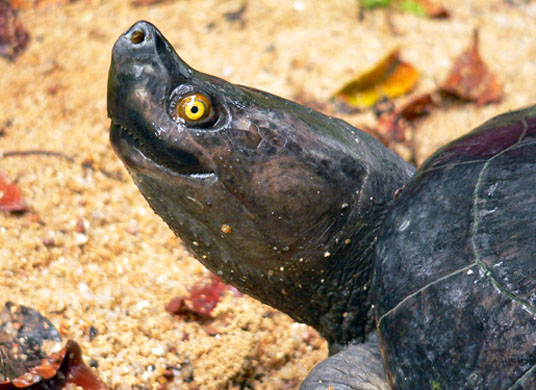
Convertible currencies, institutional corruption and the ease of air travel all combine to make Indonesia the centre of a trade worth many hundreds of thousands of dollars. These factors coupled with “impoverished human populations, for whom the discovery, capture and sale of a single turtle may place food on the table for many months,” allow it to thrive, says Dr Indraneil Das, of Sarawak University, Malaysia Photograph: Mark Auliya/Traffic
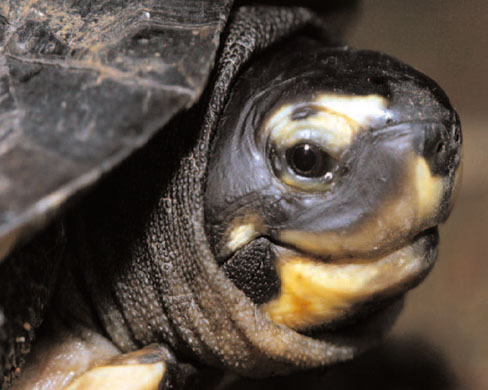
Before the guide launched this week at Singapore zoo, a “major impediment” to enforcement was a lack of technical tools allowing proper identification, says Das. It is vital, he says, to “break links in transit that lead from often pristine forested habitats of these animals, to the proverbial cooking pot.” Photograph: Chris Shepherd/Traffic