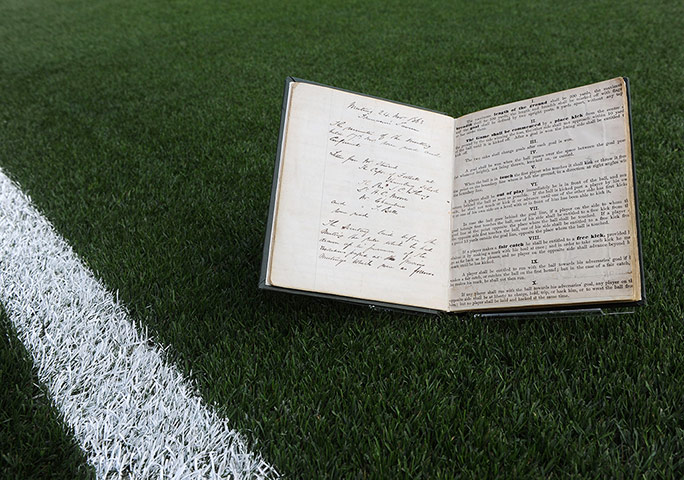
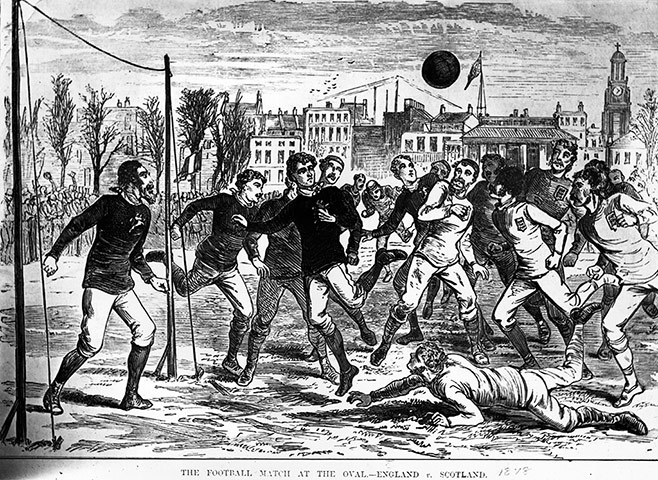
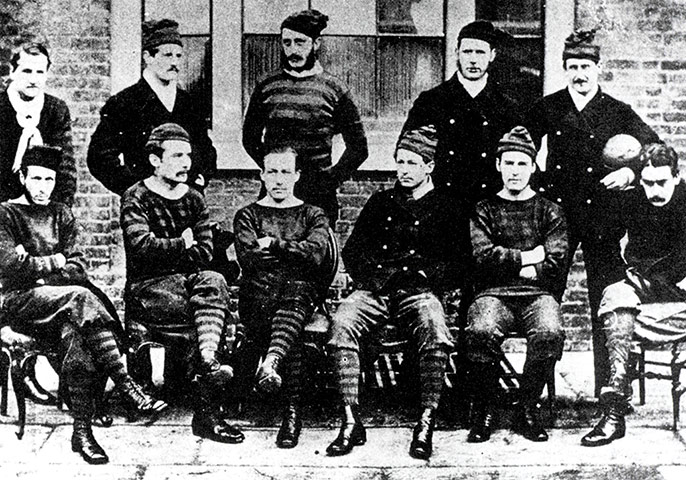
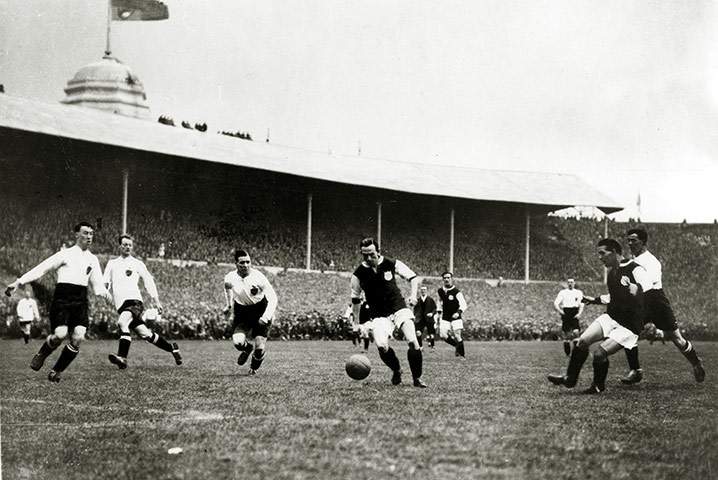
The FA's first official rulebook was written in 1863 and details a game which had only 13 rules – one them being that players couldn't wear nails on the soles or heels of their boots – and in which crossbars didn't existPhotograph: David Price/Arsenal FC via Getty ImagesEarly matches were fraught and physical. The first recorded international football matches are between England and Scotland, as depicted herePhotograph: Hulton Archive/Getty ImagesRoyal Engineers, pictured, won the first ever English FA Cup final, defeating Wanderers 1-0 at the Kennington Oval Photograph: Popperfoto/Getty Images
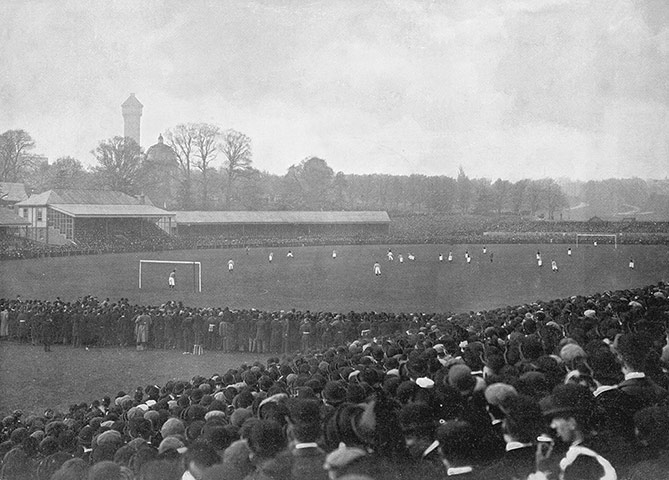
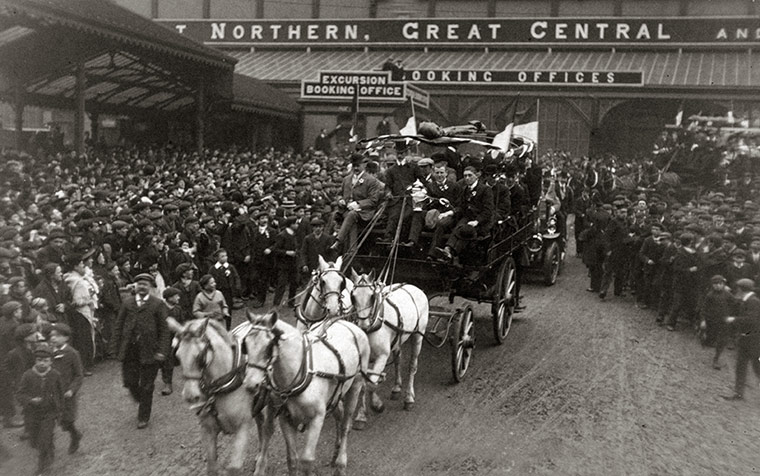
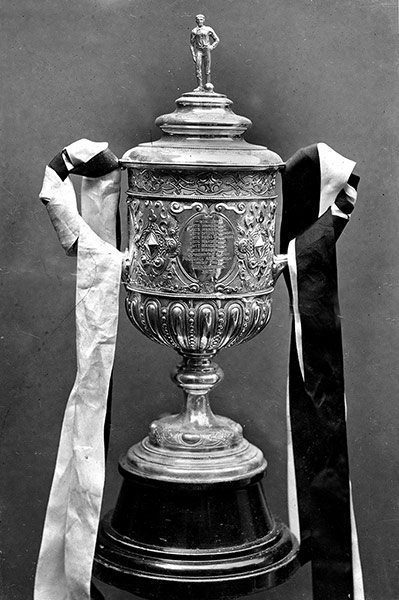
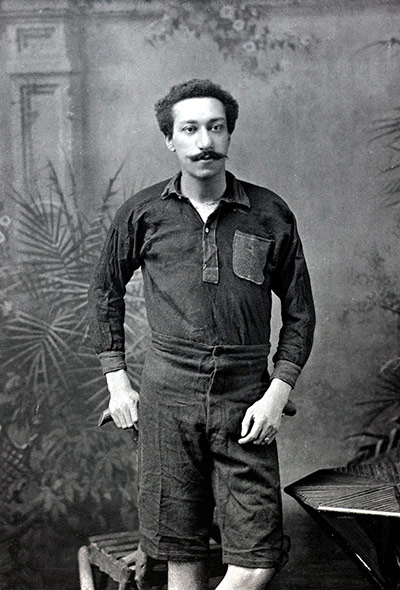
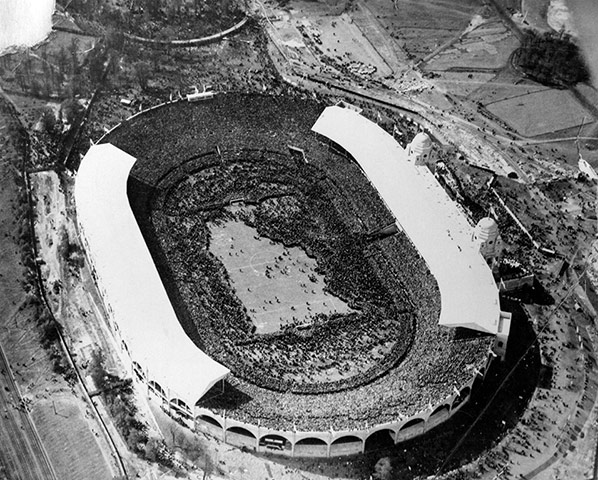
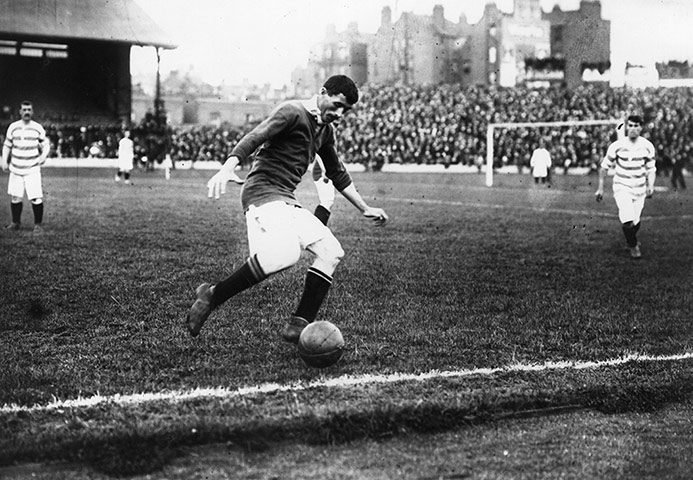
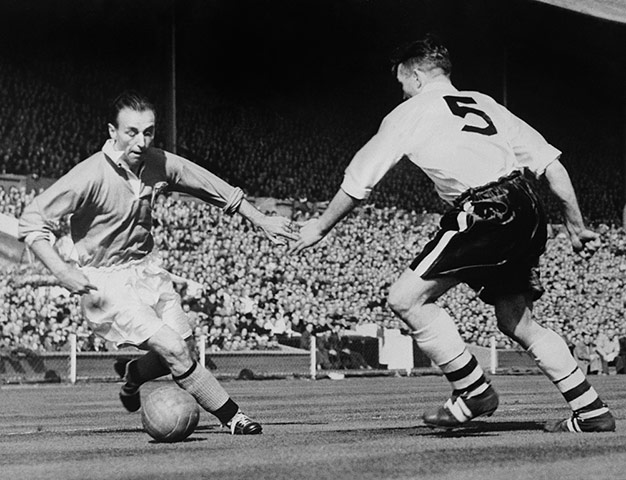
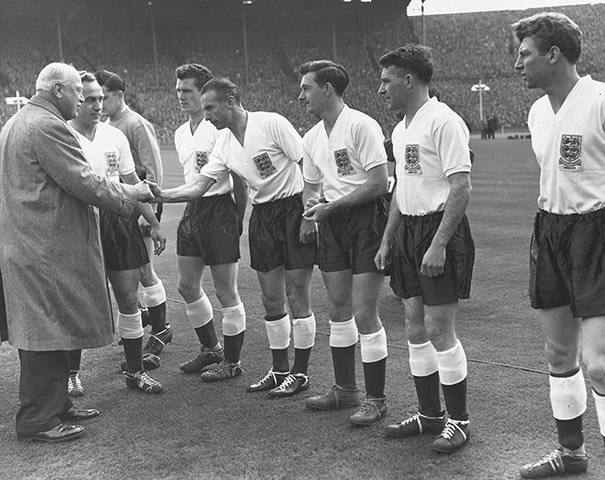
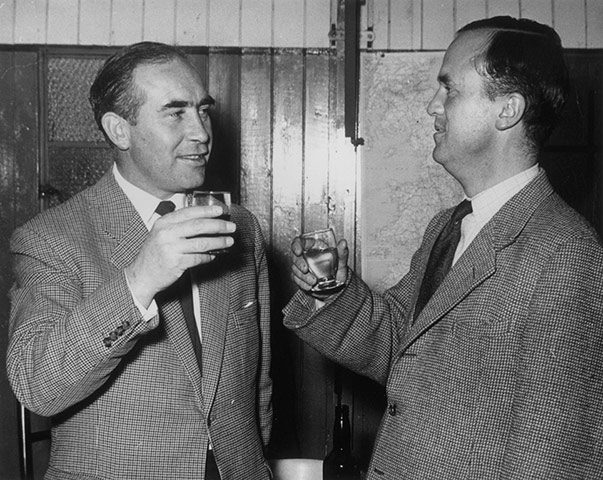
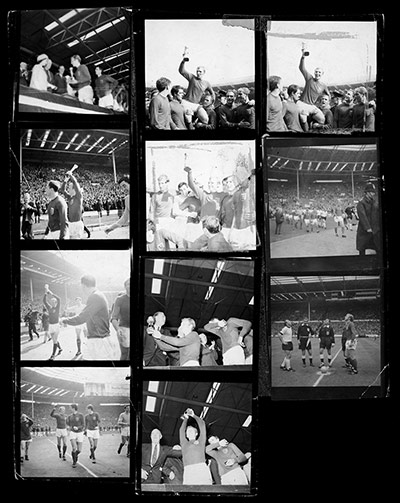
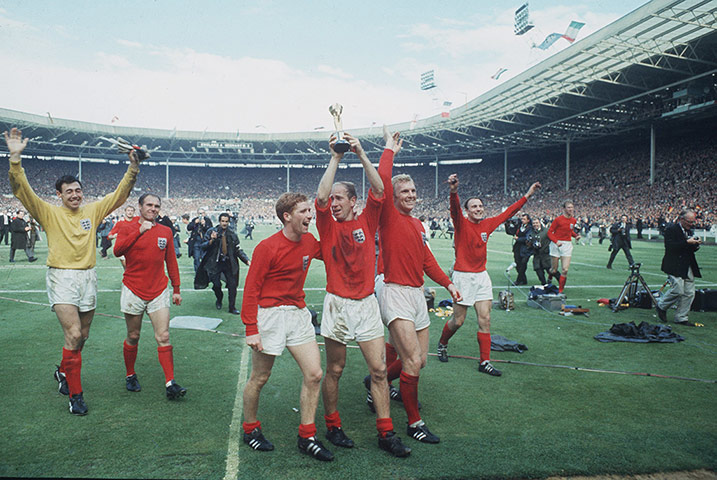
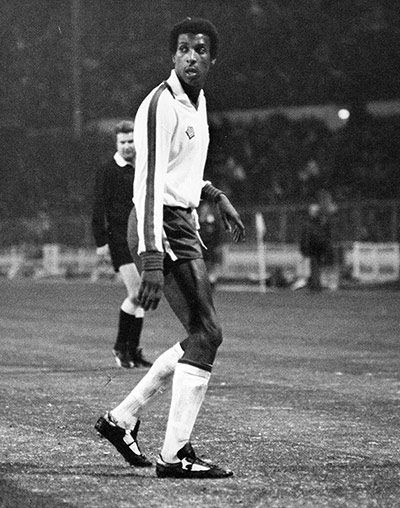
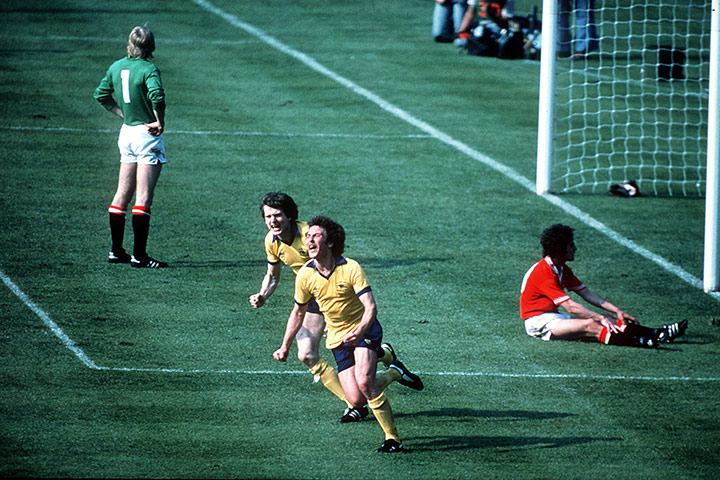
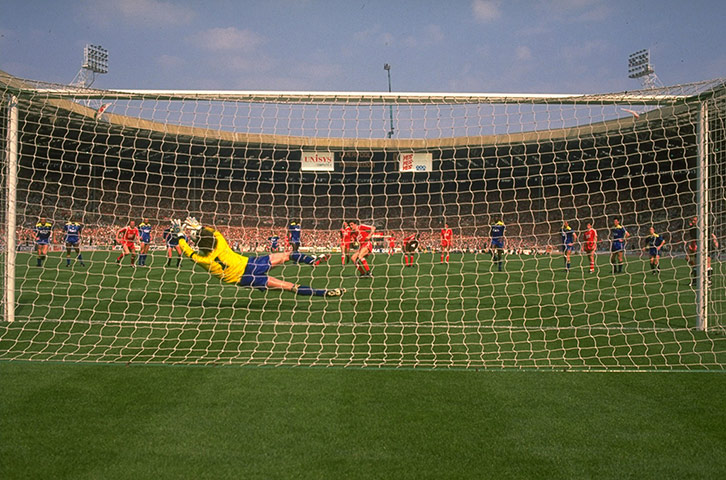
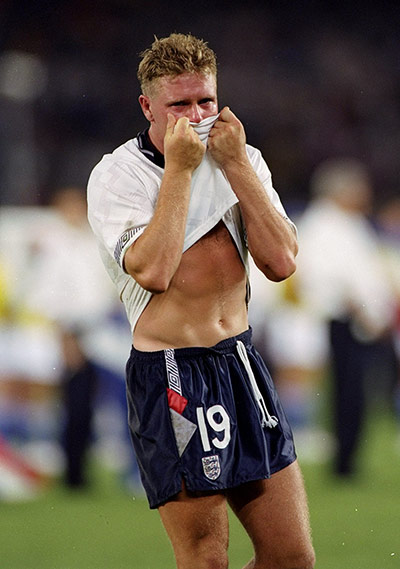
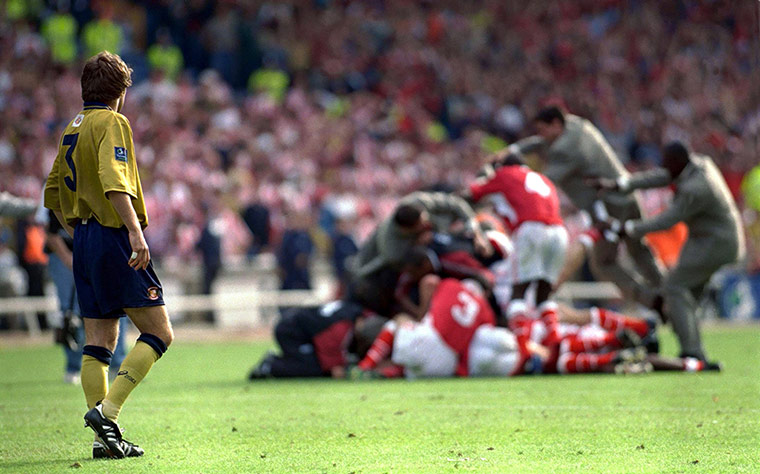
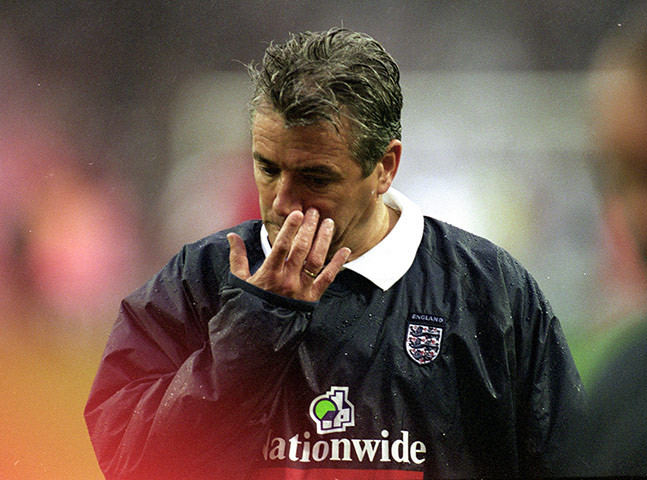
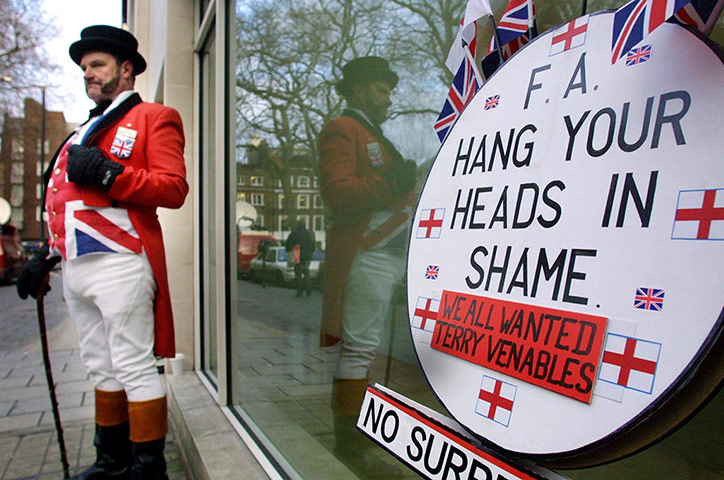
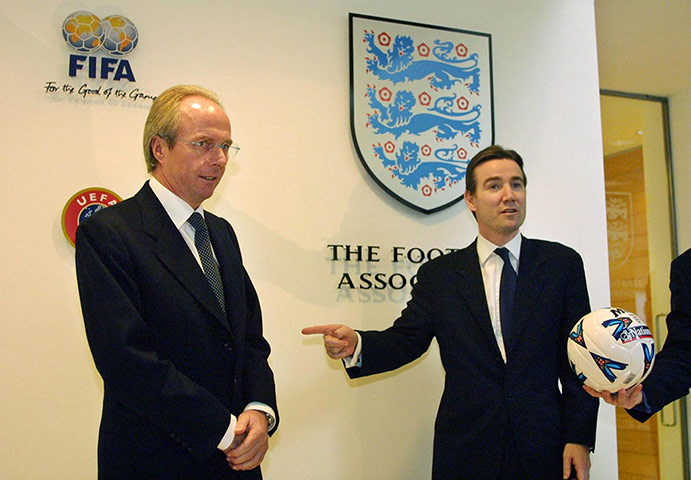
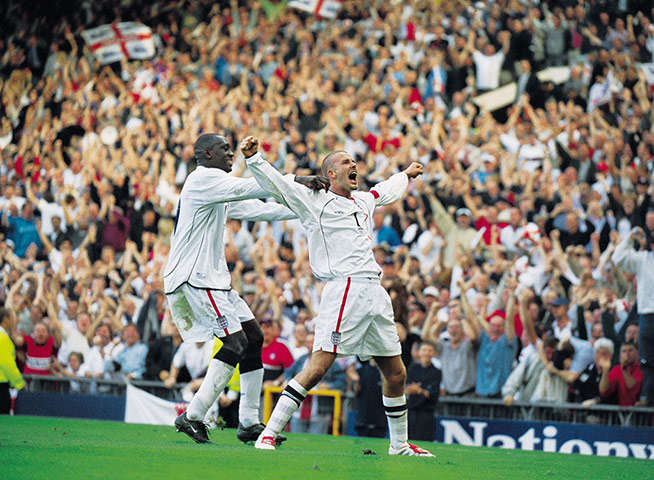
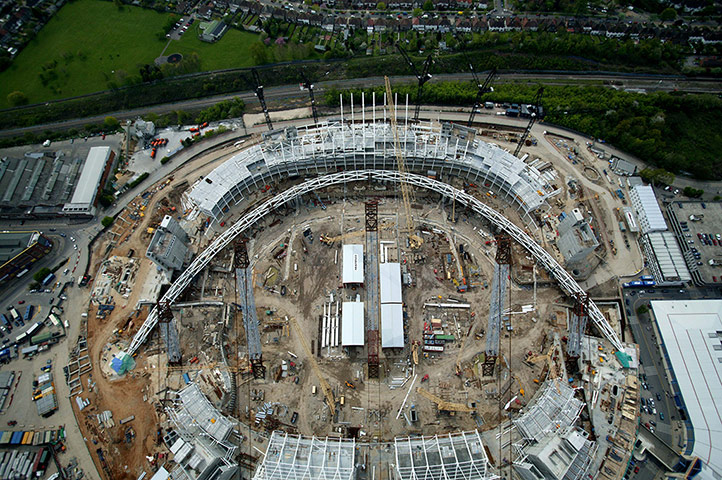
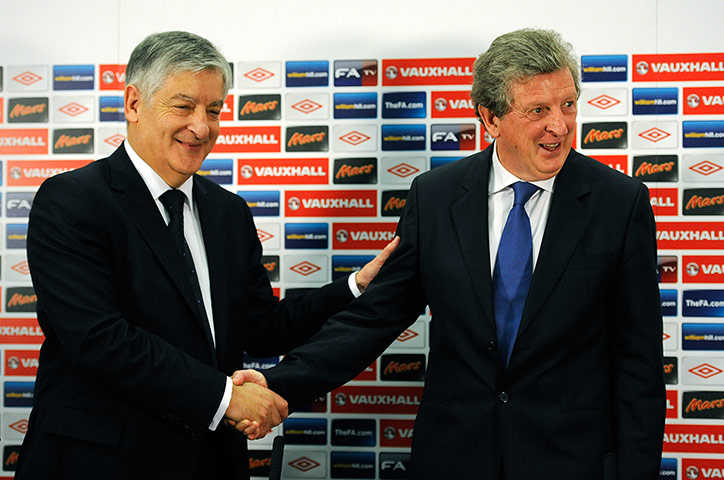
Crystal Palace was the venue for many an early Cup final. This one, in 1897, featured Everton and Aston VillaPhotograph: General Photographic Agency/Getty ImagesPost-match parades weren't too dissimilar to the present day, albeit they had horses to pull the team coach. Here, Manchester United captain Charlie Roberts holds the trophy as the team are greeted by a large crowd of enthusiastic supporters on their return to Manchester after beating Bristol City 1-0Photograph: GettyHere's what the trophy looked like until 1910Photograph: Popperfoto/Getty ImagesArthur Wharton, a goalkeeper for Preston North End and Rotherham United, was the English game's first notable black playerPhotograph: Popperfoto/Getty ImagesWembley Stadium hosted its first final in 1923. Bolton Wanderers played West Ham United in a final attended by approximately 200,000 peoplePhotograph: Hulton Archive/Getty ImagesIt became known as the 'White Horse Final' for the actions of PC George Scorey and his white horse Billy who helped to push the crowds backPhotograph: Central Press/Getty ImagesThe game itself was won 2-0 by Bolton WanderersPhotograph: Popperfoto/Popperfoto/Getty ImagesThe first ever Charity Shield match was held in 1908. Billy Meredith of Manchester United is seen here playing against Queens Park Rangers. Following a 1-1 draw, United won the replay 4-0 to claim the trophyPhotograph: Hulton Archive/Getty ImagesIn 1953, Wembley would stage one of its most memorable Cup finals. Blackpool's forward Stanley Matthews guided his side to a 4-3 victory and the final would forever be remembered in his namePhotograph: AFP/Getty ImagesMatthews was still playing international football for England until the age of 42 Photograph: William Vanderson/Getty ImagesIn 1962, Ipswich Town manager Alf Ramsey landed the England manager's jobPhotograph: Keystone/Getty ImagesRamsey steered England to their finest hour in 1966Photograph: gettyOn home soil, they claimed the Jules Rimet Trophy for the first and only time in their historyPhotograph: Hulton Archive/Getty ImagesViv Anderson became the first black player for England, in 1978Photograph: Wesley/Getty ImagesThe following year Wembley would play host to another classic final, with Alan Sunderland scoring for Arsenal as they beat Manchester UnitedPhotograph: Getty Images/Getty ImagesIn the competition's halcyon days, the FA Cup final was the pinnacle of the season, courting viewers around the world. Dave Beasant of Wimbledon was the first man ever to save a penalty in a final when he foiled John Aldridge of Liverpool in 1988Photograph: David Cannon/Getty ImagesEngland's pursuit of glory ended in tears in 1990. Paul Gascoigne epitomised the nation's grief as West Germany triumphed on penalties at the Stadio Delle Alpi in Turin, ItalyPhotograph: Billy Stickland/Getty ImagesWith the league system restructured, end of season play-offs became a regular highlight at Wembley. Charlton Athletic's penalty shoot-out against Sunderland in 1998 provided a notable finalePhotograph: John Sibley/Action ImagesFollowing the last game ever staged at the old Wembley in 2001, England coach Kevin Keegan resigned from his job while in the toilet. England had been beaten 1-0 by GermanyPhotograph: Ross Kinnaird/Getty ImagesThe appointment of his successor divided the nation – many believed only an Englishman should coach the national sidePhotograph: ADRIAN DENNIS/AFP/Getty ImagesBut the job was handed to Sven-Goran ErikssonPhotograph: Adrian Dennis/AFP/Getty ImagesOccasional joys followed. In 2001 David Beckham rescued England's World Cup qualification hopes with a last-gasp free-kick against Greece at Old TraffordPhotograph: Shaun Botterill/Getty ImagesBy 2004 the new Wembley was taking shape Photograph: Dan Chung/The GuardianThe FA's chairman David Bernstein welcomed Roy Hodgson to the England managerial job in 2012 in the hope that one day he can add another major international trophy to their barren cabinetPhotograph: Tom Jenkins
Sign up to read this article
Read news from 100’s of titles, curated specifically for you.