
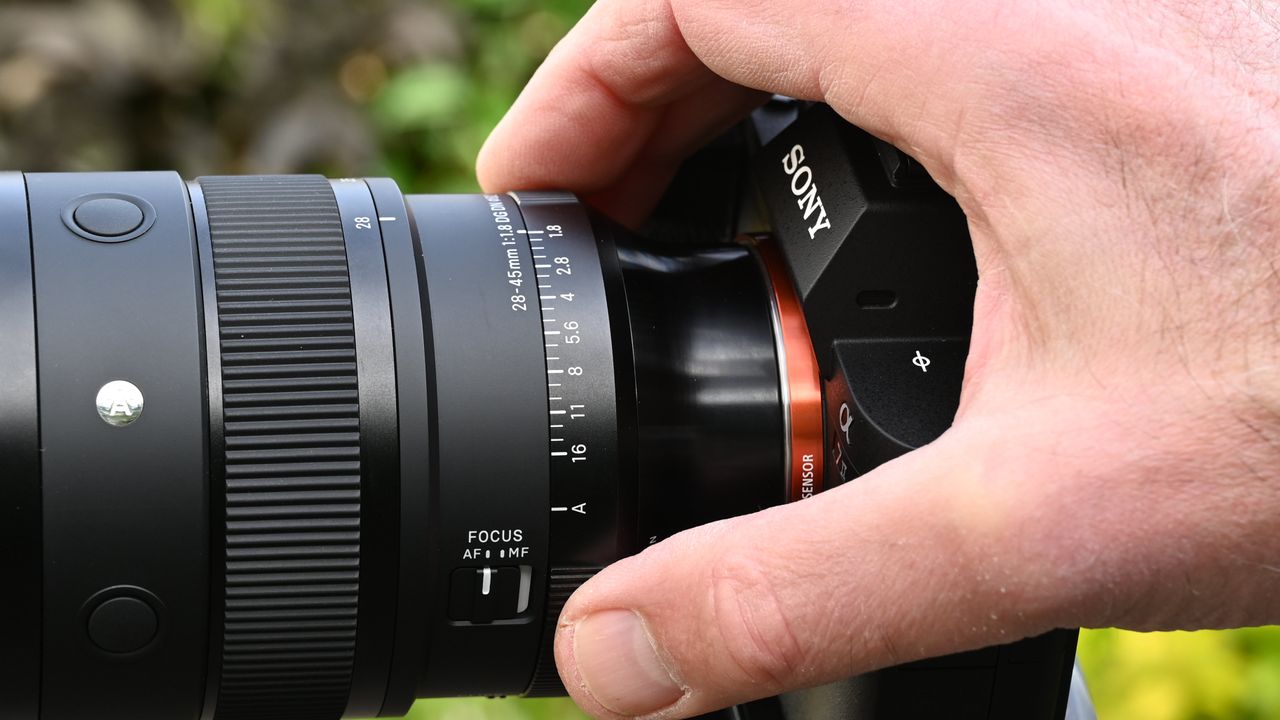
I shoot with a camera on each hip – because as a photographer who favors prime lenses, I wanted a bright aperture without sacrificing versatility. But while photographers have long been faced with the choice of a bright aperture or a versatile zoom, a growing number of lenses find a happy medium. Zooms with apertures that go beyond the typical pro f/2.8 standard are becoming more common – and it may be one of the most notable tech advancements for photographers.
Putting an aperture wider than f/2.8 on a zoom has long been a challenge because wider apertures are heavy. Zoom optics are heavy too, and mixing both in the same lens has long been difficult due to the weight, among other challenges.
But as mirrorless tech has advanced, lens technology has advanced with it. Beyond the smaller size of mirrorless bodies, the more modern interchangeable lens format tends to have wider diameters for lenses and less distance between the sensor and the lens – and those features make the dream of zooms with prime-level apertures much less far-fetched.
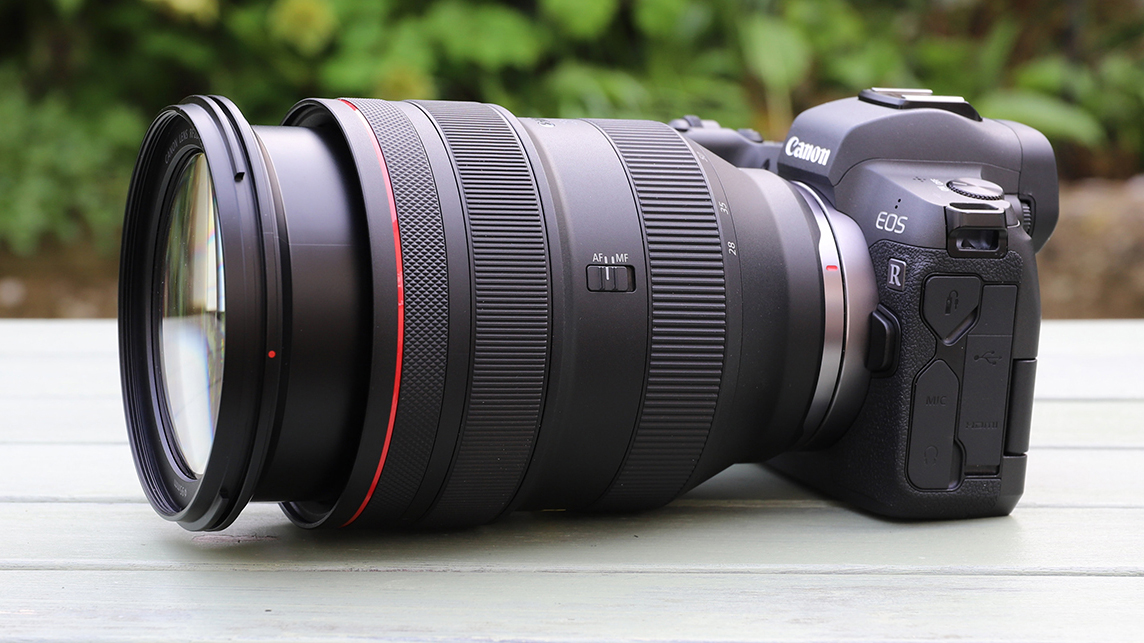
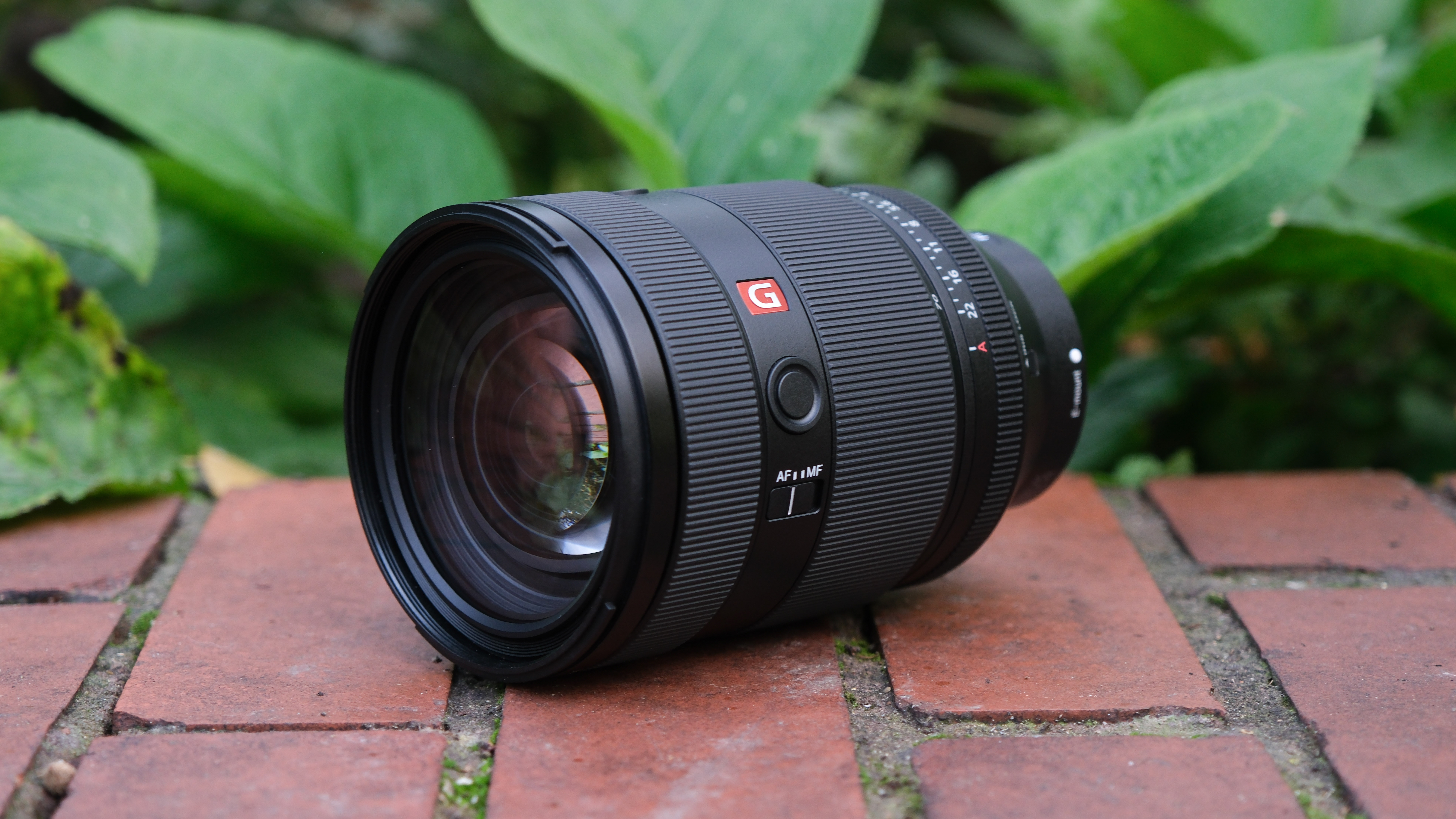
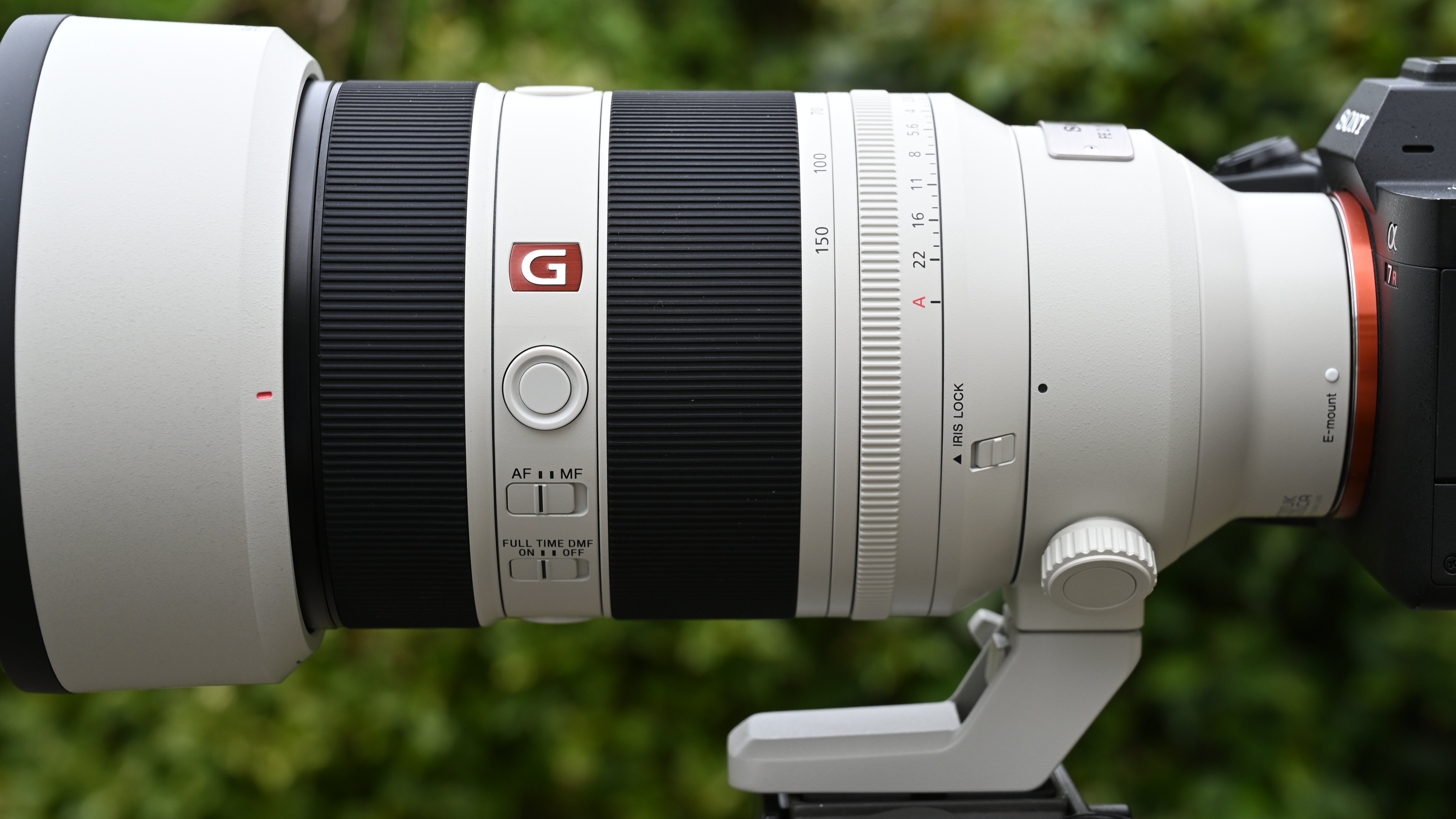
Photographers now have an increasing number of options for zooms that are brighter than the longtime standard f/2.8. For full-frame lenses, for example, there’s the Sigma 28-45mm f/1.8 DG DN Art, the Canon RF 28-70mm f/2 L USM, the Sony FE 28-70mm f/2 GM, and the Sony FE 50-150mm f/2 G Master.
These brighter than f/2.8 zooms tend to have slightly less versatile zoom ranges. That's not always the case. The Tamron 35-150mm f/2-2.8 Di III VXD can't use f/2 through the whole zoom range, but uses a versatile all-in-one zoom range.
Full-frame is not the only format seeing brighter zoom lenses. Crop-sensor cameras have a growing number of zooms brighter than f/2.8 as well, including the Sigma 17-40mm f/1.8 DC Art and, for Micro Four Thirds, the Panasonic Leica 10-25mm f/1.7 ASPH.
Zoom lenses haven’t reached the f/1.2 (and even f/0.98) of bright pro primes, but the growing number of brighter zoom lenses brings a fantastic mix of zoom versatility with more light-gathering capabilities.
There are downsides to f/1.8 and f/2 zooms. They tend to be on the heavy side and are often expensive. The zoom range is often shorter.
But photographers waffling between the bright aperture of a prime and the versatility of a zoom now have an increasing number of happy medium choices – and the ultra-bright zoom is one of my favorite tech trends in photography right now.
You may also like
Browse the best Sony lenses, the best Canon lenses, the best Nikon lenses, the best Fujifilm lenses, or the best travel lenses.