The European Heatwave today is not a maiden occurrence. But why is air conditioning still a foreign concept in Europe?
More than 20,000 perished following a record-breaking heat dome over Europe in August 2003, the Met Office stated. Many European countries sweltered through their highest temperatures ever, only to have those records broken this year.
Forest fires, melting glaciers, low lake and river levels, and worst of all, deaths from heat stroke, dehydration, and drowning, were reported in many European countries in 2003. Some 15,000 people died in France, over 3,100 in Italy, around 2,000 in the UK and Portugal, and around 1,500 in the Netherlands.
Why Is Air Conditioning Uncommon Across Europe?
The 2003 incident should have already alerted Europeans that extreme heat is possible and home and commercial air conditioning should be the norm. However, that is not the case as only about 20% of Europeans own air conditioning systems, compared to 90% in the US.
Most European leaders don't look at air conditioning as the answer to the heat. 'Putting in an AC is a short-term solution, but it may exacerbate the problem because you're increasing the heat in the outside environment,' said Ine Vandecasteele, an expert in the Climate Risk and Resilience Unit of the European Environment Agency.
Vandescasteele admits that air conditioning is necessary among the vulnerable groups: 'Half of all hospitals and schools are in urban heat islands. The elderly, children, outdoor workers—these are the people who will need to be taken care of first. Air conditioning will be needed—especially for those people. But at home, it's a question of equity as well, because not everyone can afford it.'
Installing an air conditioning system is expensive enough, but so is the electricity rate. Europe has the most expensive energy rates in the world, with eight countries occupying the top 10 most expensive electricity globally: Ireland, Italy, Liechtenstein, Germany, Belgium, United Kingdom, Switzerland and Denmark.
Structures Are Built for the Cold, Not the Heat
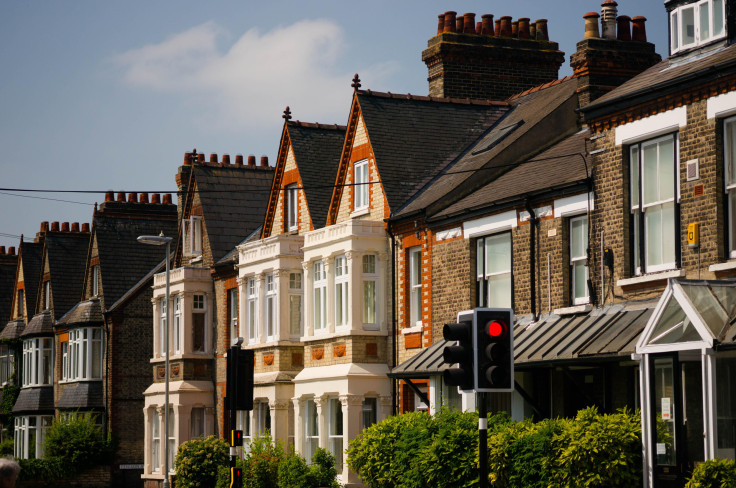
Historically, Europe also experiences milder summers, which is why traditional buildings are made with heavy insulation to retain indoor heating for a long period, especially during harsh winters. Some building landlords or village councils also have strict regulations regarding the installation of air conditioning.
New reports also find that Europe is warming faster than any region on Earth. 'The global average temperature continues to increase, but not all regions are warming at the same rate,' according to Copernicus, the EU's environmental program.
'Almost all land areas are experiencing temperature increases, though the rate varies. The fastest warming is observed in northern high latitudes, particularly the Arctic, as well as in central and eastern Europe and the Middle East. Land areas are warming faster than the ocean.'
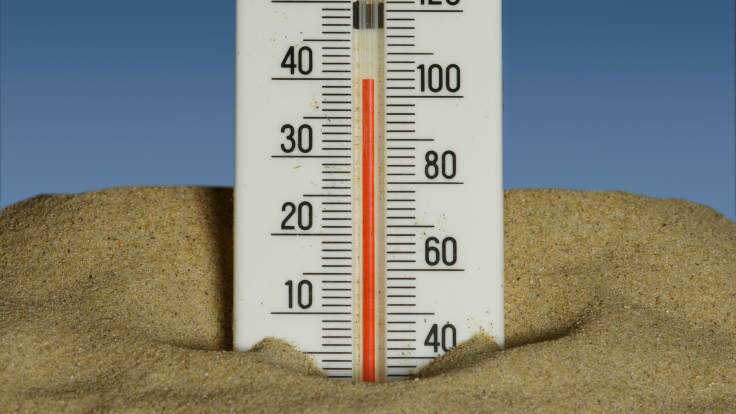
The global average temperature has increased by 0.27°C (0.49°F) per decade. But in Europe, the average increase is around 0.56°C (1°F).
Italians Are Embracing the AC Life
Unlike its European counterparts, Italy is adopting air conditioning systems. According to the National Institute of Statistics, 56% of Italian homes are now equipped with air conditioning. The percentage is around 30% of all air conditioning in nations under the EU.