One-way corridors, buffer zones around desks, and clear plastic screens to guard against colleagues' coughs and sneezes may become office standards after coronavirus stay-at-home orders are lifted, say occupational experts.
Government-mandated lockdown orders to contain the global pandemic have radically changed how and where people work, with millions switching from office to the dining room and meetings moving to videoconference.
As curbs are eased, offices are being redesigned to minimize transmission risk and prevent a second wave of coronavirus cases, which the U.S. Centers for Disease Control and Prevention has warned could hit the United States hard next winter.
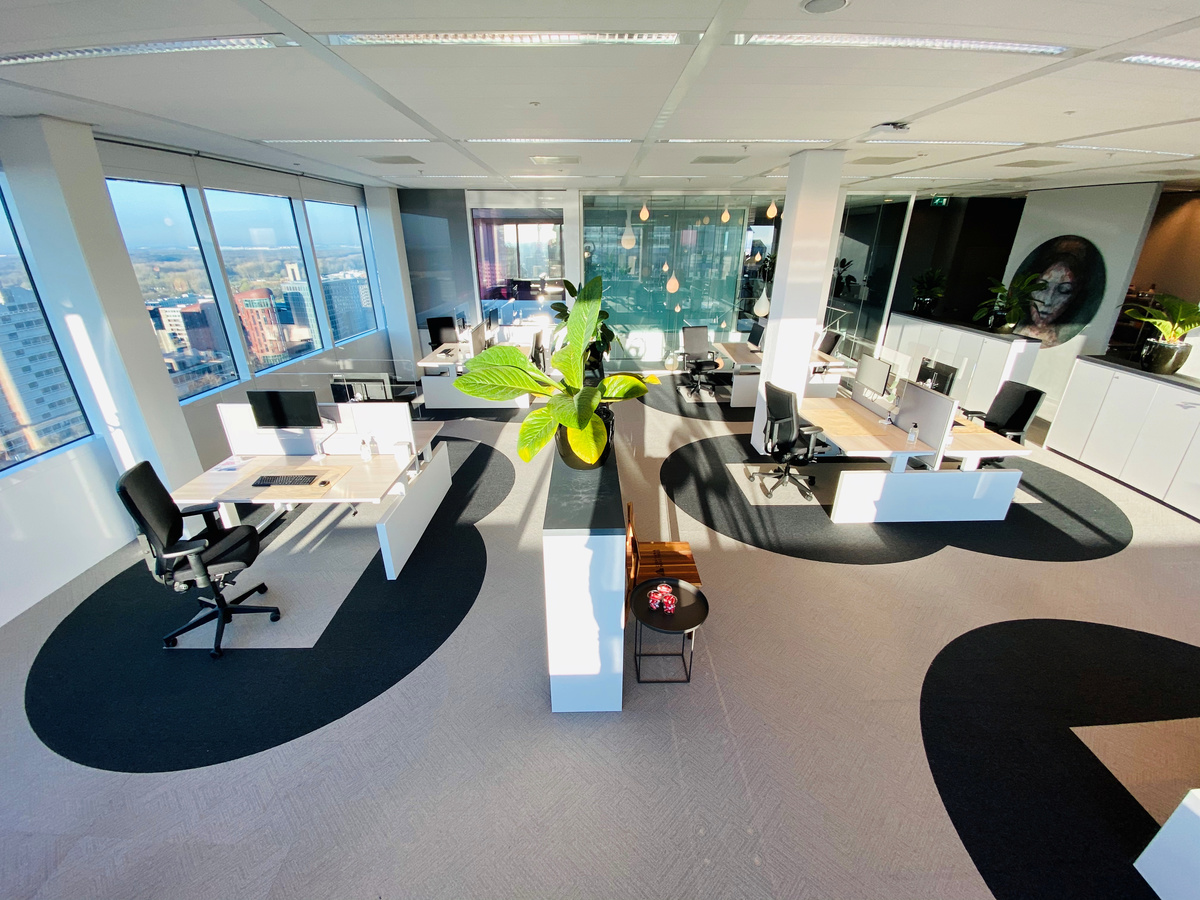
International real estate company Cushman & Wakefield, which has overseen the return of almost a million people to offices in China, has come up with a workplace design concept to help usher in the new iteration of office life.
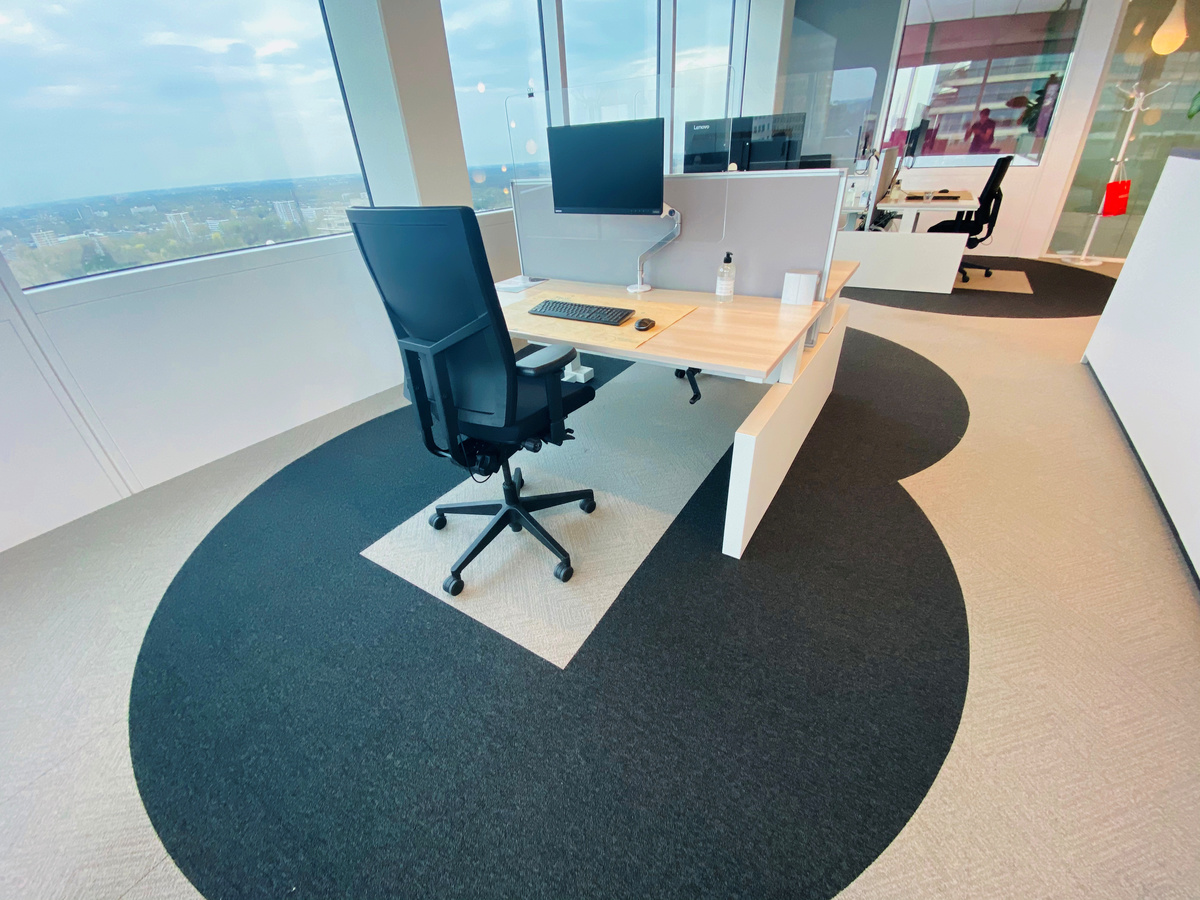
The concept uses the 'six feet rule' of social distancing to keep areas around desks empty. A prototype in the company's Amsterdam offices shows clients how their spaces can be configured.
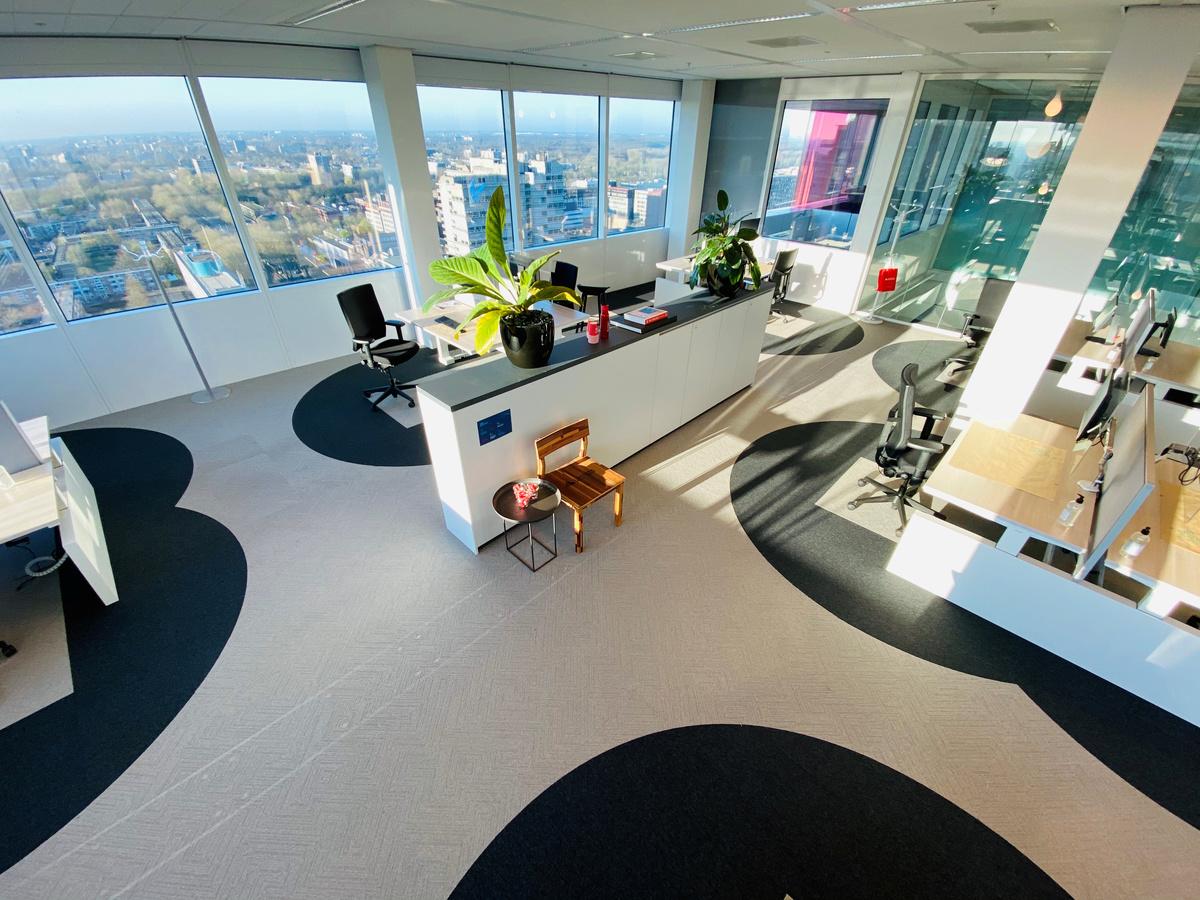
"It comes down to some basic concepts, things like colored carpet or, in a less sophisticated or expensive application, taping off what six-feet workstations look like," said Bill Knightly, who works on the company's COVID-19 task force.
"So it's very visual. In some cases, installing Plexiglas or some other form of sneeze or cough guards to give folks additional insurance."
For workers used to the social interactions in modern open-plan offices and hot desks shared by multiple employees, the changes could be hard to adapt to, said organizational psychologist Brad Bell, who has studied the impact of working remotely.
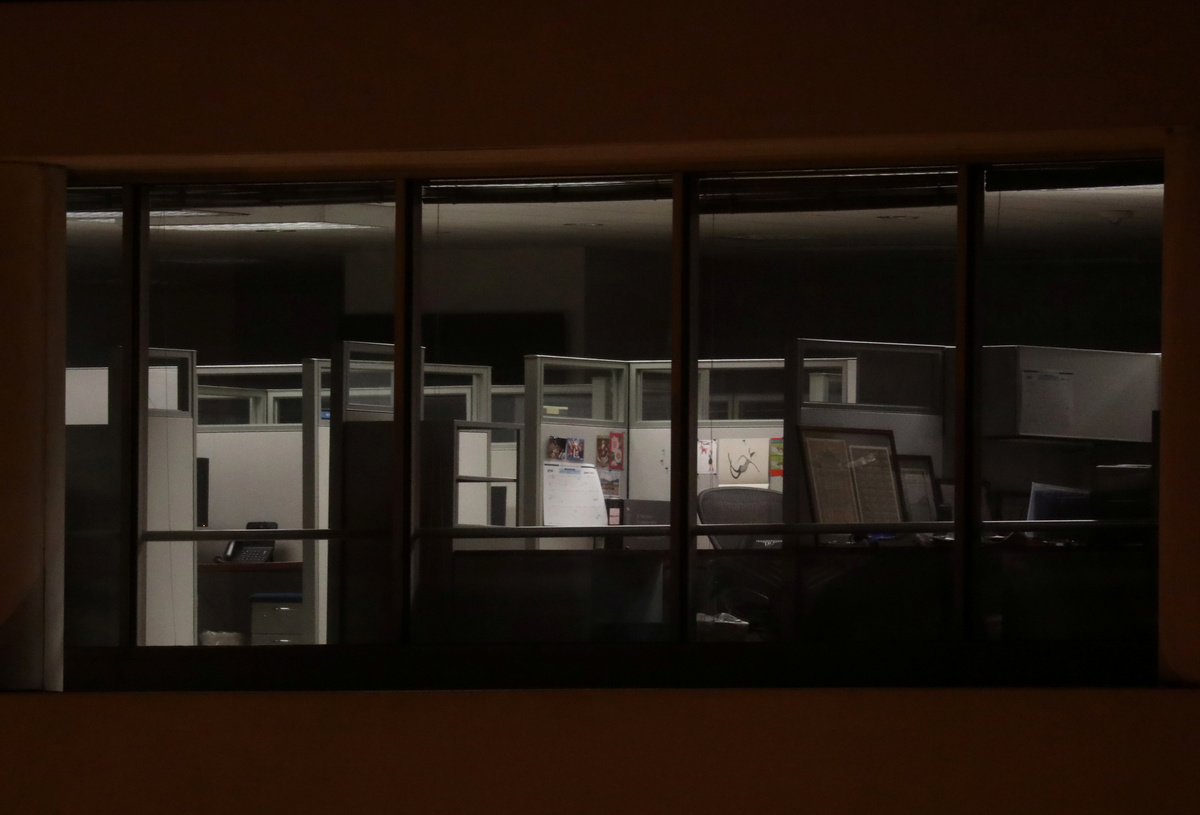
"We've found that the more isolation that employees experience or perceive, that has a negative impact on a number of important outcomes... their satisfaction with their work," said Bell, a professor of Human Resource Studies at Cornell University. "I think it can certainly lead to stress. It can undermine wellbeing."
Employers are seeing the benefits of remote work during the pandemic, Bell said, predicting some might move toward that model permanently.
"What my conversations with companies are revealing is employees are remaining productive. They're getting the work done. And in many ways, you know, it's a difficult time for everybody, but are performing much better than many companies thought they would be," he said.
But there could also be greater demand for office space to allow for social distancing, Knightly said.
"Do we think everybody who can work from home will continue to work from home? No, not at this stage. That's not the general consensus," he said.
U.S. deaths from the coronavirus are nearing 70,000, according to a Reuters tally. Stay-at-home measures have battered the U.S. economy and demonstrations to demand an end to the orders have flared across the country.
(Reporting by Jane Ross; Editing by Richard Chang and Rosalba O'Brien)