
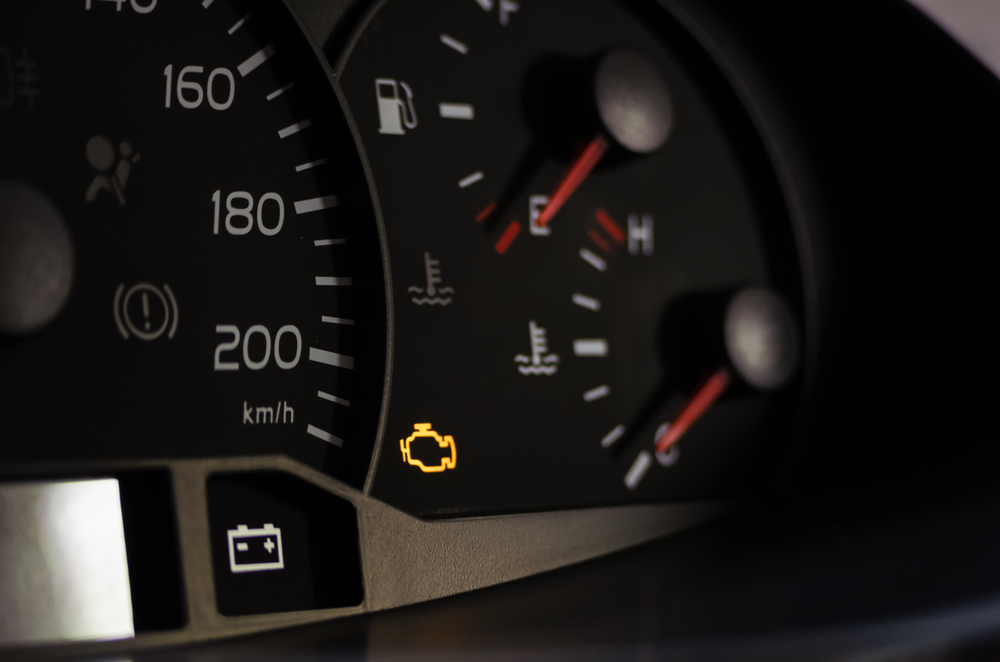
The emotional check engine light comes on quietly in relationships. It rarely announces itself with a meltdown or an argument. It creeps in through short replies, long silences, and the slow fading of curiosity. Couples often ignore it because life fills with noise, which masks trouble. But the warning stays, and once it appears, it rarely disappears on its own. The emotional check engine warning matters because it signals a shift that, left unaddressed, becomes a rupture. Here are seven things you should never ignore.
1. Small Disconnections That Don’t Stay Small
The emotional check engine warning often starts with the smallest signs. A routine conversation that once felt easy now feels strained. A joke falls flat, and no one bothers to ask why. The shared shorthand that made communication smooth becomes clumsy. These shifts register quietly, but they accumulate, and each one takes a piece of the connection with it.
People tend to explain these moments away. Stress. Fatigue. A bad day. And sometimes that is true. But when the small stuff becomes constant, the emotional check engine warning flashes in plain sight. The danger lies in writing it off rather than examining what has changed or what is breaking down beneath the silence.
2. Emotional Labor Shifts Without Anyone Naming It
Relationships run on shared emotional labor. The work involves listening, anticipating needs, and making space for the other person’s inner world. When the balance shifts, the emotional check engine warning kicks in. One person starts carrying the weight of initiating every hard conversation. One person becomes the default comforter. One person remains emotionally available, while the other drifts.
The shift rarely happens in a single moment. It slides in through patterns that feel temporary but solidify before anyone admits what happened. When one partner becomes the emotional engine of the relationship, burnout follows. And burnout leads to resentment—quiet at first, then sharp.
3. Intimacy Turns Surface-Level
Intimacy thrives on depth. When the emotional check engine light comes on, depth gives way to logistical conversations. Schedules. Bills. Errands. Plans that never become real plans. Partners talk, but they no longer reveal themselves. They trade information instead of feelings. They keep the peace, not connection.
The surface-level dynamic creates the illusion of stability. No fighting. No drama. Everything looks fine from a distance. But the absence of conflict is not the presence of closeness. It is often a sign that one or both people shave topped risking vulnerability because it no longer feels safe or worthwhile.
4. One Partner Stops Asking Questions
Curiosity fuels connection. It signals interest, care, and engagement. When a partner stops asking questions, the emotional check engine warning lights up. Not because every conversation must turn into a therapy session, but because silence marks emotional withdrawal. It shows a step back from the other person’s inner life.
Questions sustain connection by saying, without decoration, “You matter.” When the questions fade, so does the sense of mattering. Over time, this erosion becomes difficult to name but impossible to ignore.
5. Conflicts Resolve Too Quickly
Quick conflict resolution looks healthy from the outside. No yelling. No escalation. No long fights stretching into the early morning. But when disputes wrap up fast every time, something else may be happening. The emotional check engine warning pulses beneath the calm.
Some couples begin dodging tension to preserve a fragile peace. They agree too quickly or abandon their point the moment friction appears. The problem isn’t politeness. The problem is avoidance. When partners stop fighting altogether, they often stop telling the truth in the same moment.
6. Fatigue Replaces Patience
Patience shows up easily in stable relationships. But when emotional strain builds, patience becomes the first casualty. Small annoyances feel bigger. Every day conversations feel heavier. Everything takes more energy than it used to. That fatigue signals the emotional check engine warning louder than any argument.
Fatigue changes how partners speak to each other. Tone sharpens. Transparency shrinks. Even compassion thins out. And once fatigue settles in, it rarely lifts on its own because it marks the underlying emotional depletion the couple hasn’t addressed.
7. Touch Fades Without Explanation
Physical touch carries emotional weight. A hand on the shoulder. A shared moment on the couch. A passing kiss. When those gestures disappear, the emotional check engine warning becomes unmistakable. It signals a loss of comfort or connection or both.
People often blame life’s pace or stress. But when touch vanishes, it usually reflects emotional pulling away. Restoring it requires more than a reminder. It requires addressing the emotional distance beneath the missing gestures.
The Warning Matters Because It Marks a Turning Point
The emotional check engine warning shows up long before a relationship breaks down. That makes it valuable. It gives couples a chance to confront what is slipping before it collapses. Ignoring it allows small issues to harden into resentment, exhaustion, or indifference. And once indifference sets in, reversing course becomes far harder.
Every relationship hits moments of strain. The warning isn’t a threat. It is a signal. And signals matter because they point to what can still be repaired. What signs have you noticed in your own relationships that felt like warnings?
What to Read Next…
- 7 Habits Of Couples Who Truly Love Each Other
- 9 Little Lies Couples Tell Each Other That Add Up Over Time
- 7 Common Relationship Tactics That Signal Emotional Manipulation
- 10 Relationship Fixes That Experts Say Only Make It Worse
- 6 Signs Your Grooming Routine Is A Red Flag
The post The Emotional “Check Engine” Warning Too Many Couples Ignore appeared first on Clever Dude Personal Finance & Money.