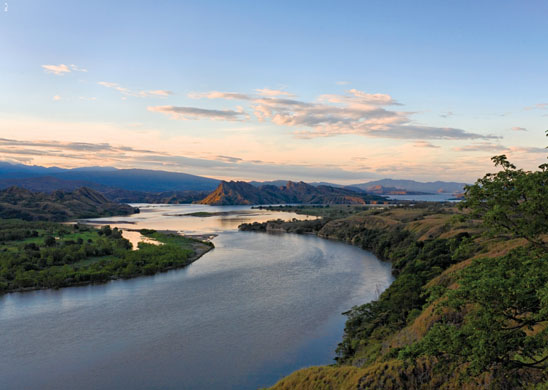
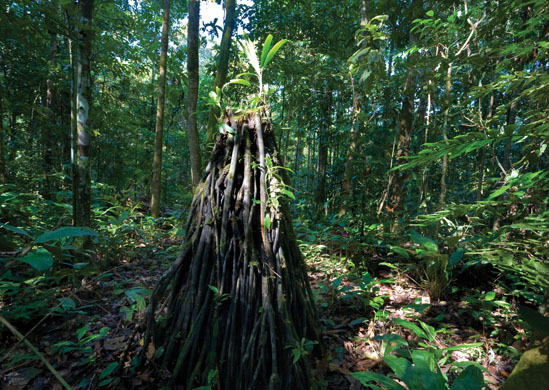
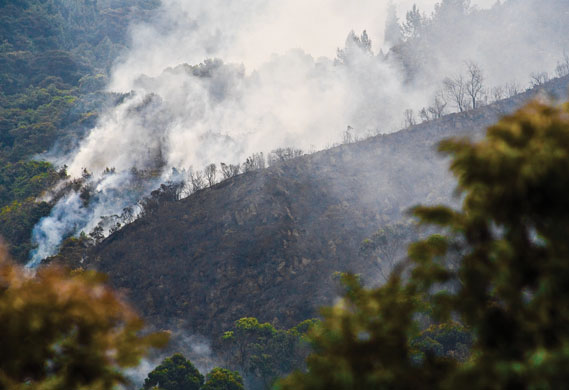
Colombia is one of the world’s most biodiverse countries, with ecosystems ranging from tropical rainforest through to grassland and alpine terrainPhotograph: PRAround 35% of Colombia is covered by the Amazon jungle, which produces 15% of the world's oxygenPhotograph: PRShared Responsibility says that 2.2m hectares of the Colombian Amazon forest has been cleared to grow coca in 20 years. It is estimated that it will take between 100 and 600 years for just 1 hectare to recoverPhotograph: PR
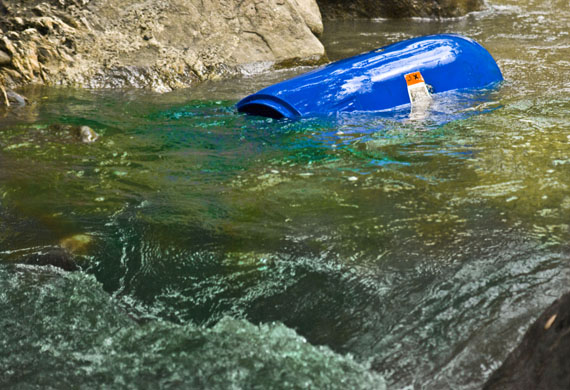
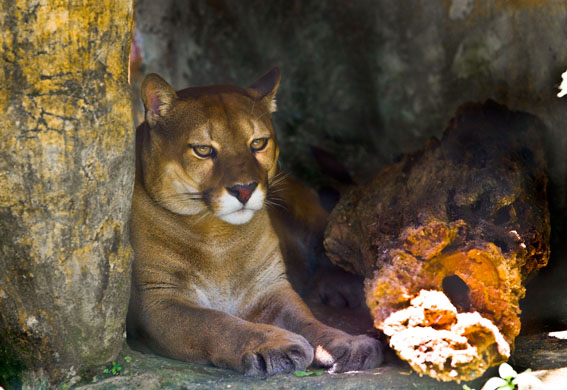
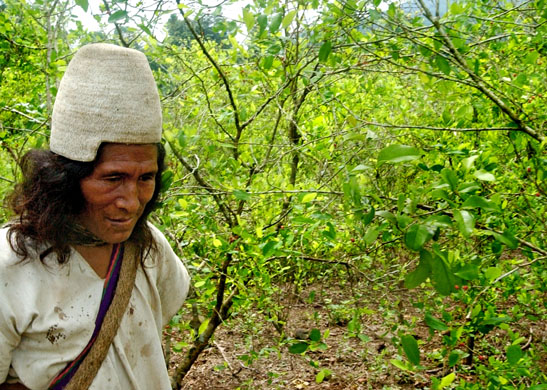
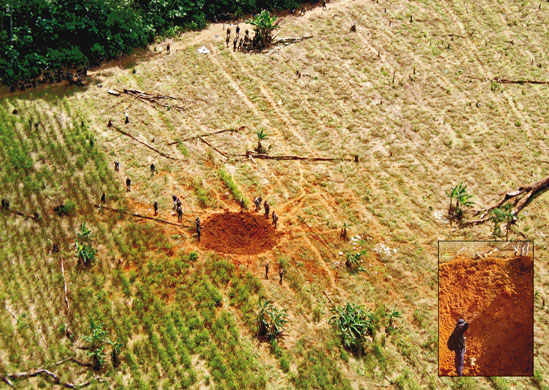
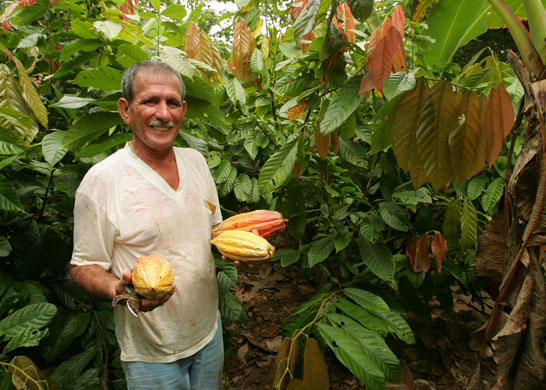
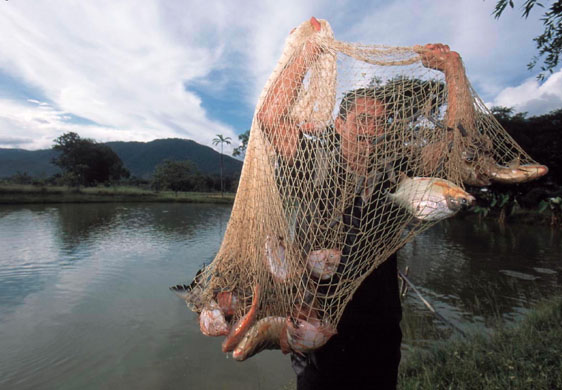
Because cleared jungle land is not ideal for agriculture, coca growers use 10 times more agrochemicals than growers of legal crops. Cocaine also needs to be produced near water sources, where waste such as ammonia, sulphuric acid and gasoline is dumped Photograph: PRWild cats, like this puma, more than 6,000 unique plant species and 13% of the world's amphibians are all found in Colombia. Flora and fauna is threatened by the cocaine industryPhotograph: PRHowever it is not just plants and animals that are harmed by the impact of the cocaine trade; it is claimed that many indigenous people are forced by illegally armed groups to grow coca in their ancestral territories in order to produce cocainePhotograph: PRLand mines are often laid in the plantations to defend the crops, threatening civilians and those whose job is to close down coca plantationsPhotograph: PRThe Colombian government, with help from the UN Office on Drugs and Crime, has set up alternative development programmes to give farmers an economically viable and legal alternative to growing drug cropsPhotograph: PRThe schemes, which aim to alleviate poverty and work towards sustainable development, include plantations of palm, cacao and coffee as well as fishing and bee hiving projects that the government says have kept 2.3m hectares of Colombian land land free from illicit cropsPhotograph: PR
Sign up to read this article
Read news from 100’s of titles, curated specifically for you.