
A drafty window seems harmless enough. Maybe it’s just a tiny breeze sneaking in, brushing your arm while you sip coffee and convincing you your house has “character.” But sometimes that innocent little draft is actually your home trying to send you a coded distress signal. Hidden rot loves to lurk behind trim, beneath sills, and inside framing—quietly chewing away at wood while you blame the cold air on old windows or bad weather.
The real danger isn’t the draft itself; it’s what the draft means. When air is getting in, something else might be getting in too: moisture. And moisture is the gateway villain of rot.
The Draft That Feels “Wet” or Damp Is a Silent Alarm
A normal draft feels like cool air. But a draft that carries a slightly damp, musty, or clammy sensation is a different story. That kind of airflow often means moisture is entering through compromised wood or deteriorated seals.
Moisture doesn’t need a big opening to cause trouble; even hairline gaps can let water seep into the framing. Once inside, it lingers, softens wood fibers, and creates the perfect environment for rot to thrive. If you notice dampness around the sill or trim—especially after rain—don’t ignore it. That’s your cue to investigate further or call a professional before the damage spreads.
Soft or Spongy Trim That Gives Under Pressure
Here’s a simple test: gently press your fingers along the window trim, sill, and lower corners. Healthy wood feels firm and solid. Rotting wood feels soft, spongy, or crumbly. If your trim flexes like a marshmallow or flakes apart when touched, that’s a major indicator that moisture has been sneaking in for a while.
Drafts often accompany this because the wood is no longer structurally tight enough to block airflow. The softness isn’t just cosmetic—it’s structural decay. And once rot starts, it rarely stays put. Catching it early can save you from replacing entire sections of framing later.
Peeling Paint or Bubbling Caulk That Won’t Stay Put
Paint and caulk are like your window’s armor. When they start peeling, cracking, or bubbling, it’s usually because moisture is trapped underneath. Drafts often appear at the same time because the protective barrier has failed.
Bubbling paint is especially telling—it means water has been sitting behind the surface long enough to push outward. That’s a classic sign of rot forming beneath the finish. If you see peeling paint paired with a noticeable draft, don’t just repaint. That’s like putting a bandage on a leak. Instead, inspect the underlying wood for softness or discoloration before the problem escalates.
A Window That Suddenly Won’t Close Right
If your window used to glide shut but now sticks, tilts, or refuses to seal, that’s not just age—it’s often a sign of shifting wood. Rot weakens the frame, causing it to warp or sag. When the structure changes shape, gaps form, and those gaps invite drafts.
A misaligned window is one of the most overlooked signs of hidden rot because homeowners often assume the hardware is the issue. But if the frame itself is compromised, no amount of latch tightening will fix the problem.
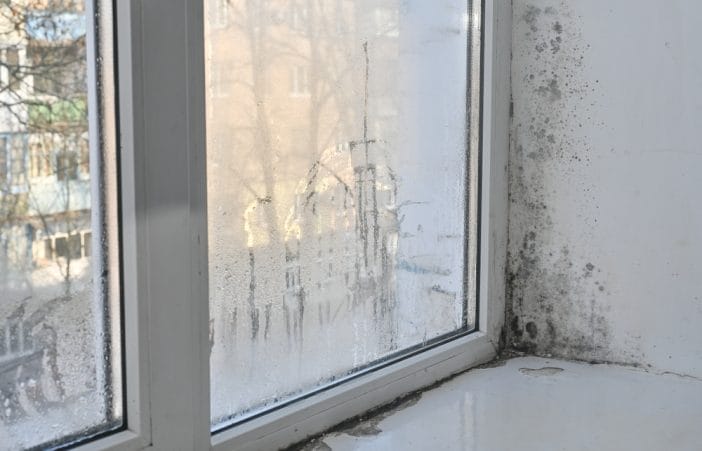
Visible Stains or Dark Spots Around the Frame
Water stains don’t lie. If you see discoloration, dark streaks, or faint brown rings around your window, that’s a sign moisture has been present long enough to leave a mark. Drafts often accompany these stains because the wood fibers have weakened, creating tiny pathways for air to slip through.
Even if the stain looks old, the water damage underneath may still be active. Rot doesn’t always show itself on the surface right away, so stains are like breadcrumbs leading you to the real issue.
A Musty Smell That Doesn’t Go Away
Rot has a distinct scent—earthy, stale, and slightly sour. If you catch a whiff of something “off” near your window, especially after rain or on humid days, that’s a sign moisture is trapped inside the wood.
Drafts can actually make the smell more noticeable by pushing air through decaying areas. Your nose is a powerful diagnostic tool here. If the smell persists even after cleaning, it’s time to investigate the framing and sill for hidden moisture damage.
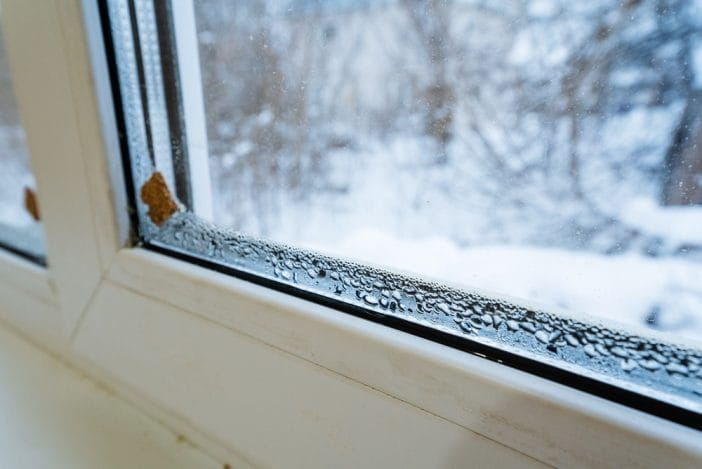
Condensation Between Panes or Along the Edges
Condensation inside double-pane windows usually means the seal has failed. When that happens, moisture can seep into the frame, creating the perfect environment for rot. Drafts often appear at the same time because the compromised seal allows air movement.
While condensation alone doesn’t guarantee rot, it’s a strong indicator that moisture is entering places it shouldn’t. If you see foggy glass paired with a persistent draft, consider it a warning sign worth acting on.
Why This One Drafty Window Matters More Than You Think
A single drafty window might seem like a small annoyance, but it can be the first clue in a much bigger story. Rot spreads quietly, and once it takes hold, it can move into surrounding trim, framing, and even structural components. The earlier you catch it, the easier—and cheaper—it is to fix.
If you notice any of these signs, take a closer look, schedule an inspection, or at least monitor the area closely. Your home is constantly communicating with you, and a drafty window is one of its clearest messages that something deeper needs attention.
When Your Window Whispers, Listen—Your Home Will Thank You
Drafts aren’t just breezes; they’re signals. They’re your home’s way of nudging you, saying, “Hey, something’s not right here.” Paying attention to these early warnings can save you from expensive repairs, energy loss, and long-term structural damage. A little curiosity now can prevent a lot of chaos later.
What’s the strangest thing you’ve ever discovered while fixing a “simple” home issue? Share your story in the comments.
You May Also Like…
Replacing Your Windows: Understanding the Cost and Long-Term Savings
Cops Say This One Sticker on Your Rear Window Could Flag You as a High-Risk Driver
Homeowners Beware: This Ice Dam Loophole Lets Insurers Deny Your Winter Damage Claim
Selling Your Home? Here Are 8 Reasons The Homebuyers Can Still Sue You
Defrost Cycles That Actually Clear Foggy Windows Faster
The post The “Drafty Window” Sign That Means You Have Hidden Rot appeared first on Clever Dude Personal Finance & Money.