
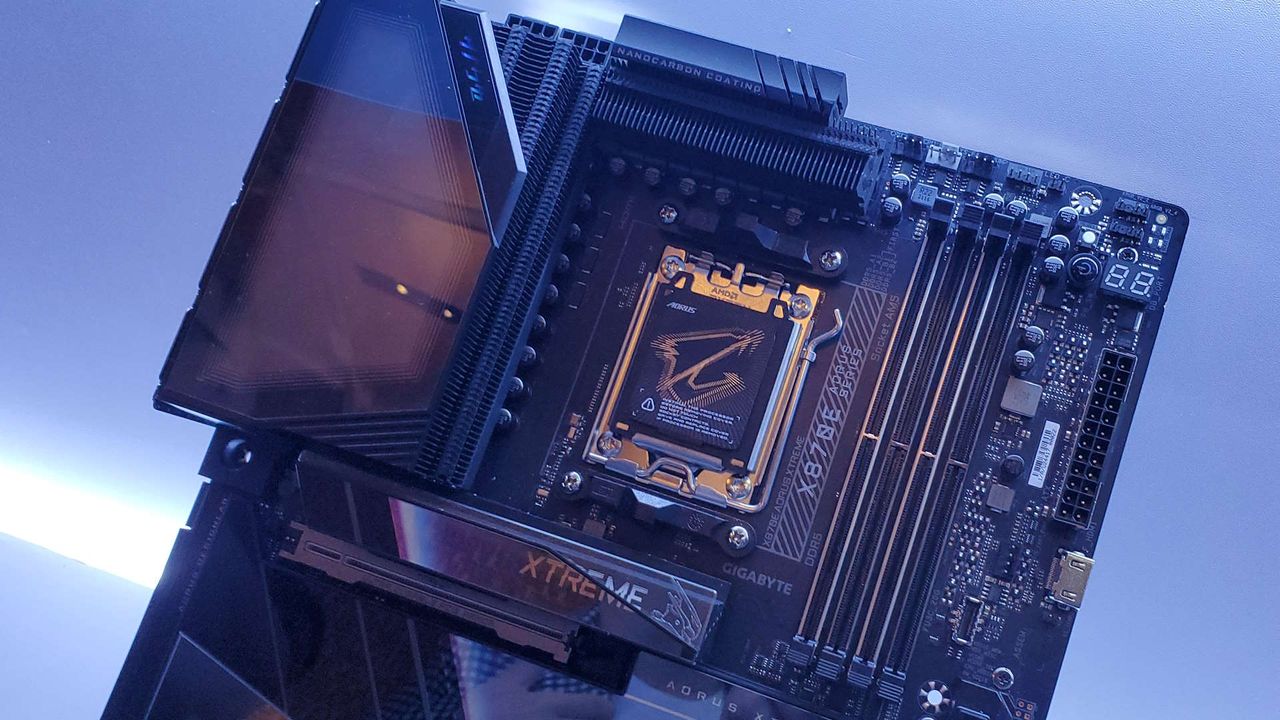
I'm not sure I love that we've started flippantly calling it 'the memory apocalypse,' but given just how much hardware this peaking pricing could affect, it does feel fitting. Motherboard sales are apparently just the latest victim, with some retailers apparently seeing a devastating year-on-year decline.
According to Hong Kong hardware site, HKEPC, a number of Chinese media reports claim that major motherboard manufacturers—including MSI, Gigabyte, and Asus—have seen motherboard sales drop up to 50% compared to figures from November and December 2024. HKEPC suggests this drop in Motherboard sales is due to DRAM prices beginning to rise in October, putting off would-be PC upgraders at a time when we'd normally see a bunch of enthusiasts making new purchases. The report goes on to further predict that this will have a subsequent knock-on effect for CPU sales before long.
HKEPC observes that gamers are spending their funds elsewhere, with sales figures for gaming peripherals (such as gaming mice and controllers) alongside monitors being much less affected. HKEPC reports that many users online have either postponed or simply downsized their PC hardware upgrade plans as a result of memory prices surging.
For instance, the site claims some forum folk who were planning to buy a completely new rig have instead opted for setups with lower RAM capacity as they wait for prices to become slightly more reasonable. Unfortunately for all of us, the memory pricing apocalypse could carry on well into 2028 and beyond, as Samsung and SK Hynix opt to 'minimize the risk of oversupply.'
But how did we get here? Would it surprise you if I said 'AI'? A whole lot of memory is necessary to sate the computational demands of an AI server. With AI continuing to be big business (Nvidia, Microsoft, and Anthropic announced a multi-billion dollar strategic partnership less than two weeks ago), it's perhaps little wonder we're seeing such a shortage.
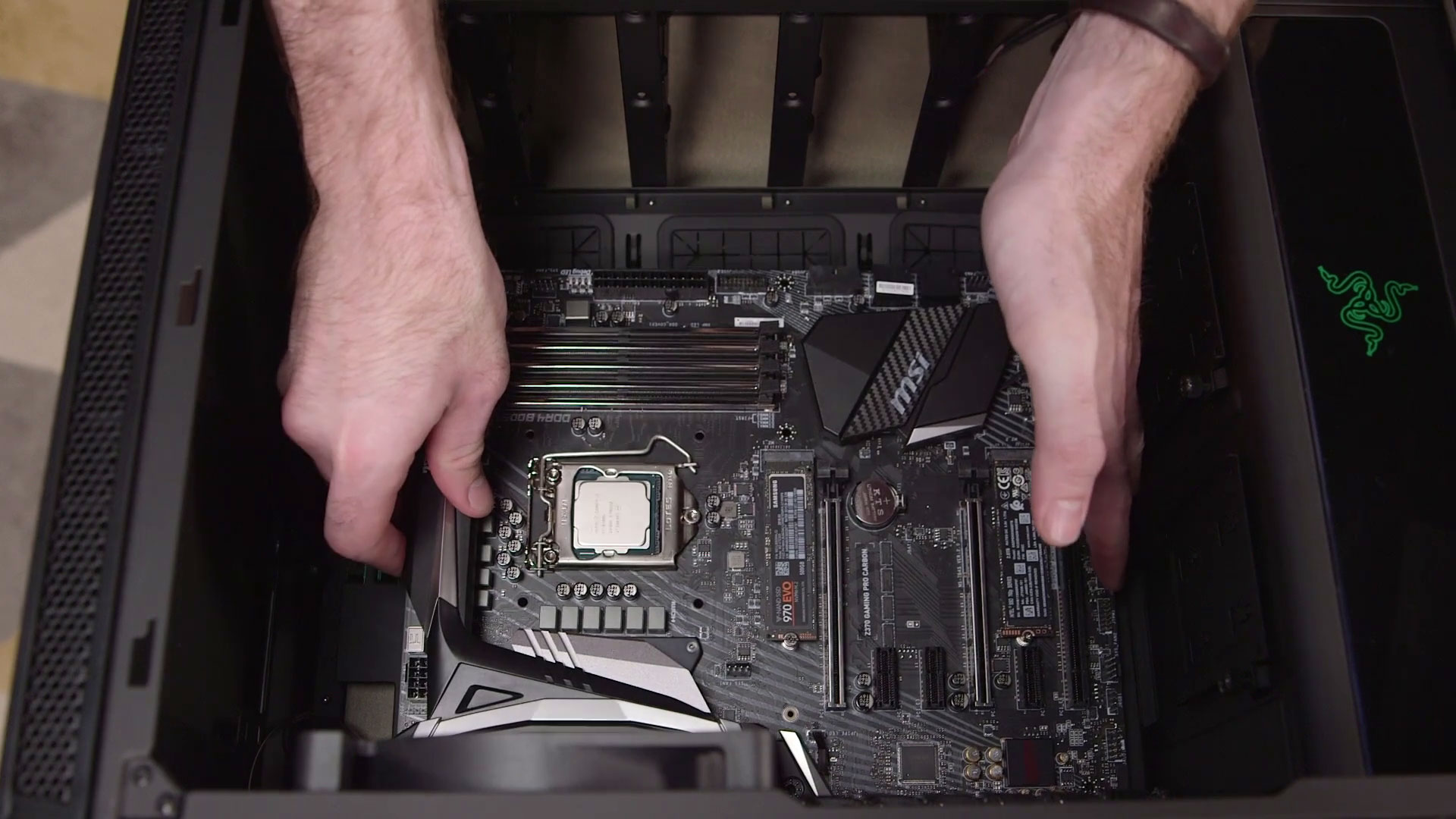
As these major tech players hog supply, that means there's less to go around at a consumer-level—and that means surging prices. But as we're already seeing, it's not just memory we've got to worry about. For one thing, TLC and QLC NAND flash wafers often used in SSDs are also seeing a shortage induced price hike. For another, GPU prices weren't exactly tumbling down during the latest Black Friday sales either.
At the best of times, PC gaming is an expensive hobby—but that's more true now than ever before. With prices like these, it's not hard to see why there are fewer purchases.