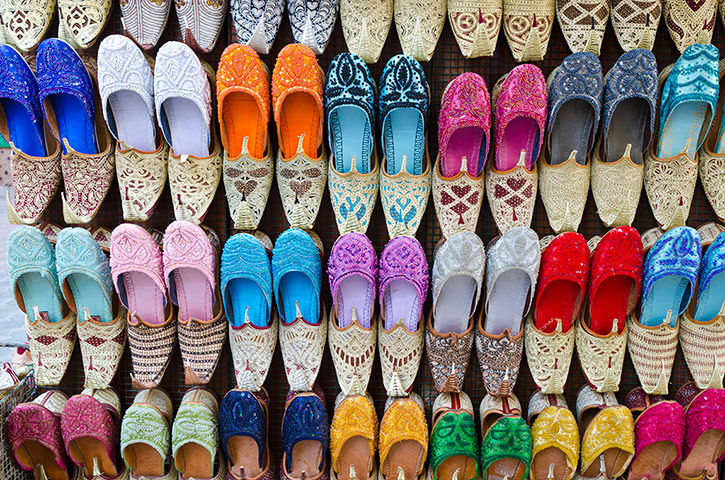
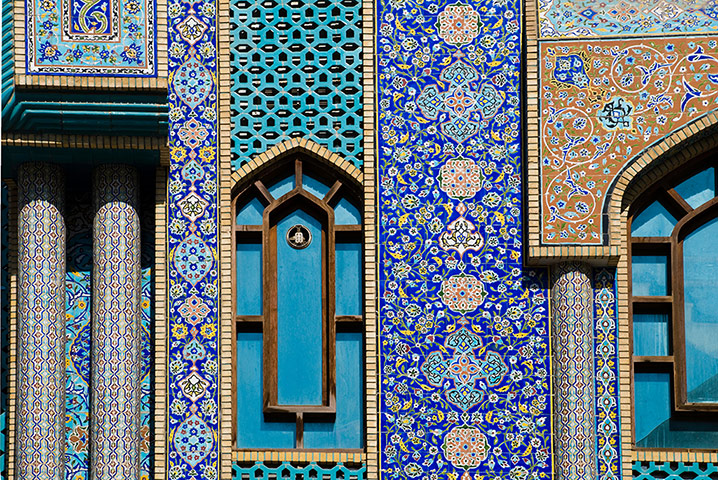
The Bur Dubai souk is a labyrinthine sprawl of traders offering traditional wares such as these beautifully crafted Arabian slippersPhotograph: Alan Copson/Photographer's ChoiceThe mosaic-covered Iranian mosque in the Satwa district (and the Iranian hospital, directly opposite) are prime examples of intricate, traditional Persian tilework Photograph: AlamyBetween the mouth of Dubai Creek and the Burj Al Arab there are around 12 miles of family-friendly public and private beaches. West of the sail-shaped hotel, the palm island reaches out into the GulfPhotograph: Alamy
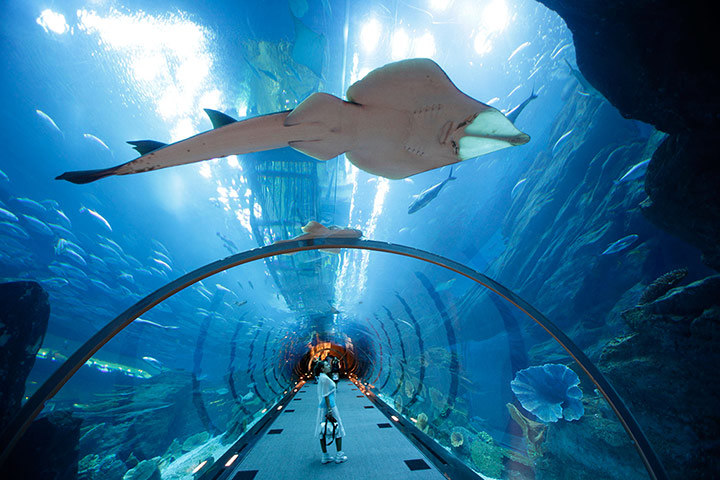
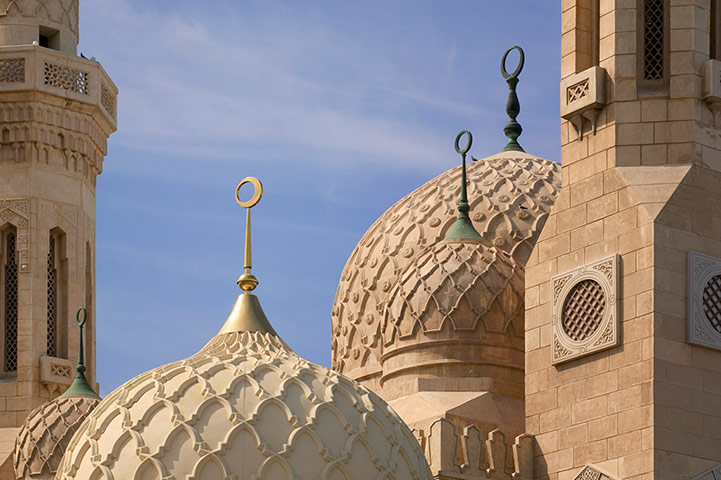
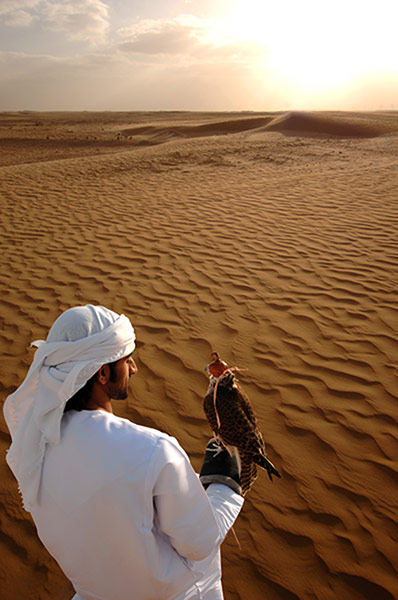
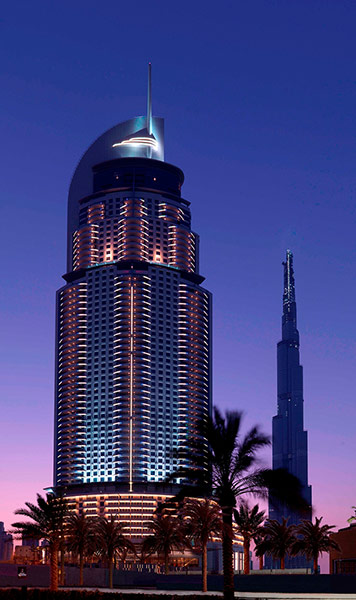
At Wild Wadi water park, next to Jumeirah Beach Hotel, about half the slides have high-powered water jets that push riders uphill. One exception is Tantrum Alley, Wild Wadi's latest addition, which has two fast downhill sections and three exciting tornadosPhotograph: AlamyBur Dubai, next to the Creek, is the heart of old Dubai. Here, wooden dhows from Asia still disgorge spices, scents and jewellery for sale in the atmospheric souks Photograph: Reinhard Schmid/4cornersimagesDubai Aquarium and Underground Zoo, in Dubai Mall, has a 50-metre tunnel to walk through, giving visitors a surreal insight into the lives of the 33,000 species that inhabit the 10 million-litre tankPhotograph: AlamyThe ornate domes of Jumeirah mosque, one of the few mosques in the Gulf to allow non-Muslims to enter. The “open doors, open minds” programme is a two-hour tour of the interior architecture, and a talk about how the religion affects daily life in the UAEPhotograph: Jon Hicks/CorbisThe Deira spice souk is just across the creek from Bur Dubai. The finest saffron can fetch up to £5,000 a kilogram, and even the worldliest chef is likely to find at least one new and exotic flavour. Aspiring wise men can stock up on frankincense and myrrh, before nipping to the gold souk around the corner Photograph: Richard Taylor/4CornersimagesFalcons have been revered in the UAE since they were used to hunt desert hares to provide meat for the Bedouin diet. They were also used to pass messages between tribes, and many families still keep the birds as pedigree petsPhotograph: Dubai Department of TourismOld-fashioned abras (water taxis) still ply their trade across Dubai Creek, taking passengers between Bur Dubai and Deira for the equivalent of about 20p Photograph: Giovanni Simeone/4cornersimagesBefore the arrival of flight and four-wheel drives, camel trains would take months crossing the Empty Quarter from the UAE to Oman. Today hotels such as the Al Maha Desert Resort offer camel trips with a little more comfort Photograph: Stephane Frances/4cornersimagesThe Downtown development, crowned by the Burj Khalifa (the world’s tallest building, seen here behind the Address Downtown hotel), has become Dubai’s new centre. The 2 sq km plot includes the vast Dubai Mall, and this area alone has enough entertainment to keep most families occupied for a weekPhotograph: Dubai Department of Tourism
Sign up to read this article
Read news from 100’s of titles, curated specifically for you.