In the light of the increasing push for us to work at home, here's an interesting statistic from the author of Bowling Alone (which looked at how social 'glue' such as bowling clubs, which were so prevalent in 1950s America, have almost disappeared). It comes from a New Yorker article about commuting:
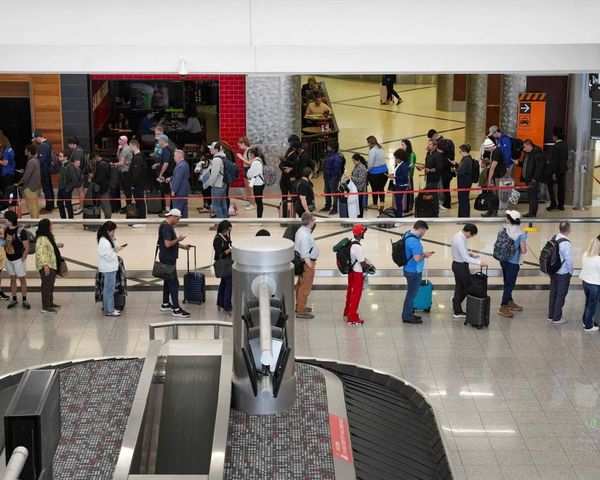
"I was shocked to find how robust a predictor of social isolation commuting is," Robert Putnam, a Harvard political scientist, told me. (Putnam wrote the best-seller 'Bowling Alone,' about the disintegration of American civic life.) "There's a simple rule of thumb: Every ten minutes of commuting results in ten per cent fewer social connections. Commuting is connected to social isolation, which causes unhappiness."
This I came across in the 'goodbye Apple' post by Buzz Andersen, who noted how
As the stress and hours increased at work, my 45 minute commute down 280, which I had initially thought of as a reasonable (even pleasant and scenic) drive, became a soul crushing daily slog.
(In which by the way he confirms what I noted earlier about Apple's software teams being stretched between the iPhone and Leopard development:
In Apple's case (or at least the part of Apple I worked in), that business is shipping amazing software on impossible schedules with astonishingly small teams.
Which raises an interesting question: if more of us work from home, with zero commutes, will that lead to more social connections and less unhappiness? Has anyone begun a study on it?