Across Florida, busy highways, thriving cities, and year-round tourism mean that accidents and injury claims are a regular part of the legal landscape. When someone suffers harm because of another party’s negligence, the path to compensation often moves through the civil court system. Yet many people are surprised to learn that not every injury dispute ends inside a courtroom before a jury. In fact,
Florida’s legal process offers multiple ways to resolve these cases, and understanding the difference between them can shape how a claim unfolds. Two of the most common routes are settlement conferences and jury trials, each serving a distinct role in resolving disputes. Speaking with a Blakeley Law Firm personal injury lawyer in Floridacan help injured individuals understand how these two processes differ and which path may best align with their goals and circumstances.
Understanding Settlement Conferences
Settlement negotiations are conducted outside the court to reach a joint agreement between the parties. A neutral third party — usually a mediator or judge — holds the space. Participants exchange views and negotiate the terms of resolution. This method is all about encouraging yourself to be open and flexible. It aims to resolve a dispute in a manner acceptable to all stakeholders and to avoid the time and expense of a trial.
Benefits of Settlement Conferences
There are many advantages to settling pre-trial. First, the atmosphere is less formal, reducing stress for participants. The flexibility inherent in mediation permits solutions not available in a court setting. Settlement conferences may also be completed much more quickly than a trial assessment. It also keeps the outcome private–something that many people looking for discretion find attractive.
Drawbacks of Settlement Conferences
While settlement conferences are easy to use, they do have their own shortcomings. Outcomes depend on cooperation. If either side stays obstinate in its proposals, the process can come to a standstill. It is not certain whether a resolution will take place. Occasionally, the parties agree on a law that they consider reasonable to avoid further dispute. If the terms are unclear, there may be disputes later on, without the formality of a judgment.
Jury Trials Explained
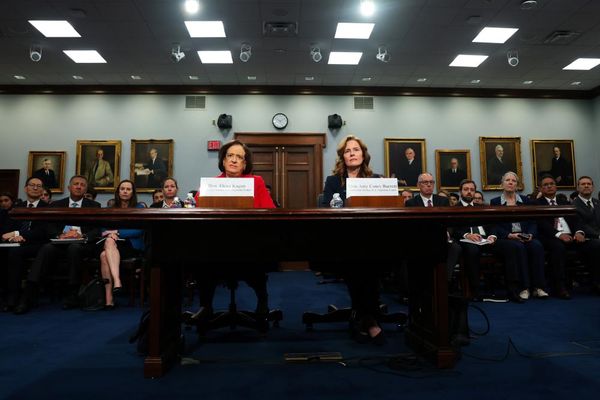
Jury trials are more formal, with established rules and regulations, as jurors cannot give testimony unless it aligns with the evidence. Jurors — twelve community members — hear both sides and decide fault and damages. Judges have a role in maintaining the proceedings and their fairness. Lawyers argue, testify, and submit proof. The judgment is binding and has the force of law.
Advantages of Jury Trials
Going to trial gives both sides a stage and the opportunity to share the whole truth. This process helps ensure that both sides have the opportunity to make their case. A jury decision is final and cannot be called into question, so there is less likelihood of further conflict. There is a clear closure to a formal judgment that is enforceable by law. A public verdict can do wonders for those who think they have been wronged.
Disadvantages of Jury Trials
Unfortunately, jury trials take time and are costly. The process can take months due to scheduling, preparation, and courtroom procedures. Expenses for legal fees and expert witness costs pile up quickly. The toll can be extensive — parties are forced to relive events, which are often played out in public. There is also uncertainty associated with trials; the results depend on how jurors interpret the facts. This can take even longer if there are appeals.
Choosing the Right Path
Choosing between trial and settlement requires contemplation of personal priorities and circumstances. Value closure and certainty often prefer settlement. Some want their cases in the public spotlight or a trial to set a legal precedent. Getting advice from seasoned attorneys can shed light on the options. The decision is often guided by which model has the strengths and weaknesses. A flexible approach and willingness to negotiate are key to a successful resolution.
Key Differences Summarized
Trials trend procedural and public, while settlement conferences are collaborative and confidential. Settlements encourage conflict, and compromise leads to outcomes both sides might consider good. A trial is a more formal adversarial process and usually ends in a final decision. So the time, cost, and emotional toll one spends is entirely different between the two ways. Being familiar with the differences helps participants set realistic expectations for injury cases.
Conclusion
Settlement conferences and jury trials have each played a role in resolving injury cases. Each of these has its own processes, advantages, and disadvantages. By taking into account personal needs and priorities, you can compare the pros and cons and figure out which path works best for them. The process is more seamless with transparency and proper legal advice.