
MEXICO CITY _ Investors were told they could earn huge returns while helping solve housing shortages on a global scale. Critical financial players were on board, committing billions to the company. But then it turned south.
Sam Zell was looking for opportunities, and he found a winner in Mexico.
The government was working with developers to build massive housing complexes for poor and working-class families outside every major city. With billions in government funds flowing into the housing market, builders stood to reap a bonanza.
Zell, a Chicago real estate billionaire, spotted a prospect in 2002 in the northern state of Sinaloa _ a small construction company called Homex owned by four brothers of the De Nicolas family.
The brothers possessed the ambition. Zell, through his Equity International Investment Fund I, provided a boost of capital: $32 million.
Over the next six years, Homex went from building 5,000 homes a year to building 57,000. It joined the ranks of North America's largest home builders, broke ground on projects in Brazil and opened offices in Egypt and India.
The Homex story tugged at both the wallet and the heartstrings: Investors could earn big returns while helping solve global housing shortages. The World Bank, Wall Street investment banks, university endowments, foundations and U.S. pension funds invested billions in the company.
Homex's valuation, $100 million when it went public in 2004, soared to $3 billion. Company executives went to the New York Stock Exchange to ring the closing bell, chanting "Homex! Homex! Homex!" The De Nicolas brothers traveled the world as ambassadors for Mexican entrepreneurship.
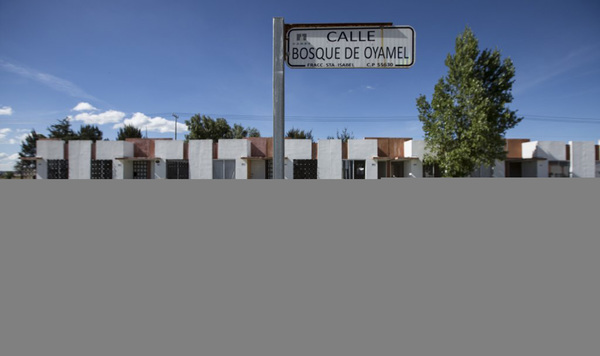
The big returns, however, masked the flaws that eventually gutted Mexico's ambitious effort to house the masses. The developments were riddled with infrastructure and construction defects, and residents abandoned them by the thousands, helping trigger the collapse of the housing industry.
In 2014, six years after Zell's fund sold off its shares, Homex fell into bankruptcy. This year, the U.S. Securities and Exchange Commission accused Homex of committing what is believed to be the largest fraud in Mexican history, saying it had reported "fake" sales of more than 100,000 homes. The allegations concerned activity that occurred after Zell's fund divested, and Zell was not named in the complaint.
Today, with its broken-down, blighted and half-finished developments littering cities across Mexico, Homex is one of the country's most despised companies. Dubbed "Robex" by some, the company is mocked on blogs and billboards, in punk rock songs and a Hitler-in-the-bunker internet spoof.
Long before it all came crashing down, there was one group that already knew how bad things were: the people who had to live in the houses Homex built.
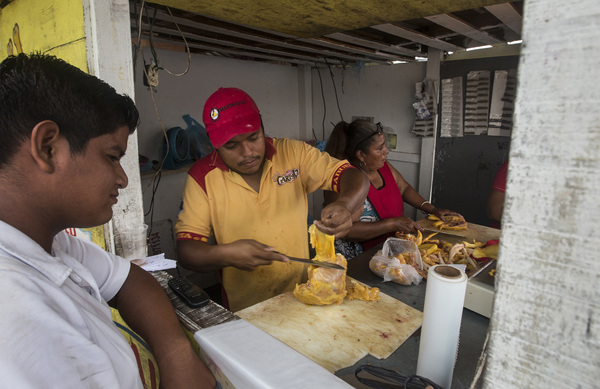
Victor Ambrosio, a 27-year-old chicken vendor, and his parents bought a two-bedroom house in the Colinas de Santa Fe development, which opened in 2007 in Veracruz, on the Gulf of Mexico.
As the stock price soared, homeowners were suffering power outages and water shortages so acute that they once tried to flip over the sales office trailer where Homex employees had barricaded themselves.
"When I saw the model homes, I said 'Wow,'" Ambrosio recalled. "But it was all smoke and mirrors. There were defects everywhere, like ticking time bombs."