The devastating effects of coal ash pollution in China
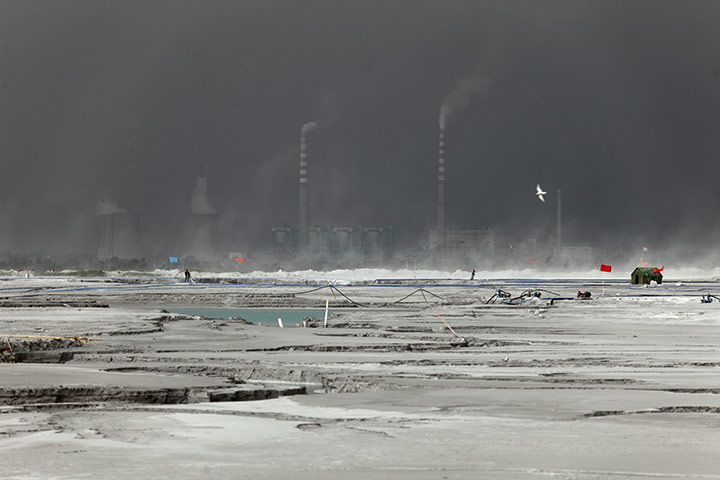
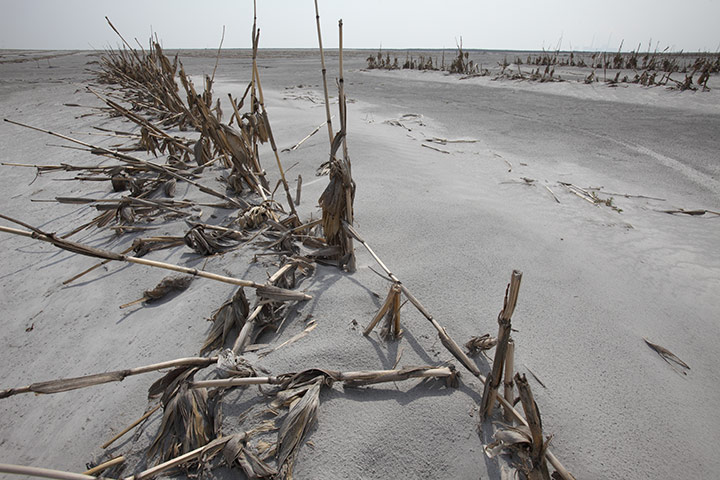
Last year, China consumed more than 3bn tonnes of coal - more than triple the amount used by the United States. Chinese power stations generated 375m tonnes of coal ash, according to a Greenpeace report. This image shows Shentou number two power plant in Shuozhou, Shanxi province, its ash pond in the foregroundPhotograph: Zhao Gang/GreenpeaceGreenpeace investigated coal ash pollution from the Shentou number two power plant. It claims the site has no safeguards such as retaining walls, that would stop the coal ash from entering surrounding agricultural land. Greenpeace says the only preventative measure taken by the power plant has been to compact the outermost coal ash to form a makeshift dam. The surrounding villages have been seriously polluted. In Shuimotou, continuous seepage of coal-ash water has deformed the foundations of village houses, causing cracks to develop in their walls. In another nearby village, Mayi, leakages from ash ponds have raised the groundwater and flooded cellars; their cattle and sheep have difficulty reproducing and their fields are no longer fertile. A spokesperson for the company said it had paid compensation to villagersPhotograph: Zhao Gang/GreenpeaceVillagers living near the Shentou number two power plant say they have reported the problems of coal ash pollution to the power station several times, but to no avail. One response has been the plant's programme of 'ecological management' that involves erecting dead stalks of maize around the coal ash disposal site to act as a 'wind break'. A spokesperson for the plant said it is paying extra compensation to villagers Photograph: Zhao Gang/Greenpeace
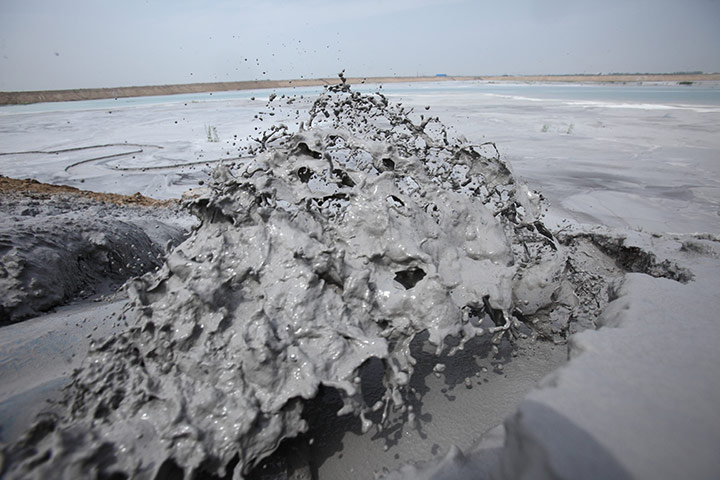
Zhao Su tends a flock of sheep south of the Shentou number two power plant. He plucked some leaves to show the thick covering of coal ash dust. He says that after his flock of around 100 sheep grazed on this grass, more than 70 died from diarrhoeaPhotograph: Zhao Gang/GreenpeaceOne of the coal ash ponds near Shentou number two power plant, Shuozhou, Shanxi provincePhotograph: Zhao Gang/GreenpeaceAsh chokes the sky above a coal ash dam owned by the Shentou number two power plant, in Shuimotou village. With even the lightest wind, the tiny particles take flight, blotting out the sky like a thick sandstorm of ash. The ash is highly hazardous to people, as the fine particles are easily inhaled. The amount of coal ash pollution from Chinese power stations has increase 2.5 times since 2002 because of the expansion of the coal sectorPhotograph: Zhao Gang/GreenpeaceAsh chokes the sky above a coal ash dump outside the Shentou number two power plant. The Guardian put the points raised in the Greenpeace investigation to the plant's operators. A spokesperson did not respond to all of the points but said that villagers were being paid compensation for pollution they had sufferedPhotograph: Zhao Gang/GreenpeaceAlthough the government claims 60% of the coal ash is recycled, the Greenpeace investigation of 14 power stations found that most is improperly dumped. Even if caught, the penalty is a paltry 30 yuan per tonne (£2.85)Photograph: Zhao Gang/GreenpeaceFive generations of Chen Jiantang's family are buried here in the Chen ancestral grave, on the west side of the power plant. But now 61-year-old Chen cannot find any trace of the tombs beneath the white coal ash slurry that has seeped out from the coal ash damPhotograph: Zhao Gang/GreenpeaceCoal ash contains toxic heavy metals, including arsenic, cadmium, mercury and lead, which leach into water systems and get blown into the air during windy daysPhotograph: Zhao Gang/GreenpeaceZhao Picheng's home in Shuimotou village. He claims that continued leakage from the Shentou number two power plant's coal ash pond has raised groundwater levels, flooding cellars in the village. Extended soaking in the excess water has also deformed housing foundations, causing the buildings to develop cracks or even collapsePhotograph: Zhao Gang/GreenpeaceA convoy of trucks hauling coal near the Datong City number two power plant in Shanxi province. A previous study carried out by Greenpeace and other groups estimated the true cost of coal - which includes current off-the-account environmental and health impacts - to be 7.1% of China's GDP. China's coal use has surged along with the economy and the demand for energy. In 2002, the capacity of China's power plants was 357 gigawatts. This year it will rise to 900 gigawatts. About 70% of this energy is generated by coalPhotograph: Zhao Gang/GreenpeaceCoal ash dump outside the Shentou number two power plant, Shuozhou, Shanxi provincePhotograph: Zhao Gang/Greenpeace
Sign up to read this article
Read news from 100’s of titles, curated specifically for you.