TIJUANA, Mexico _ One morning in January, five men from Nepal showed up at the Casa del Migrante in Tijuana, looking for a bed for the night.
That's odd, the shelter's director, Father Patrick Murphy, remembers thinking.
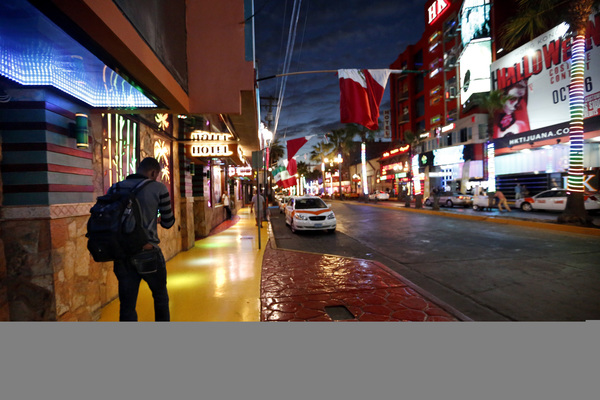
This border city has been a gateway for generations of migrants fleeing poverty and violence in Mexico and Central America, people dreaming of a better life in the United States.
But Nepal was 8,000 miles away. What were they doing here?
Within months, Tijuana would be teeming with migrants from across the globe _ from Haiti, India, Bangladesh and various parts of Africa _ all hoping to reach the United States.
In a surge Mexican officials are calling unprecedented, about 15,000 migrants from outside Latin America passed through Baja California this year _ nearly five times the number seen in 2015.
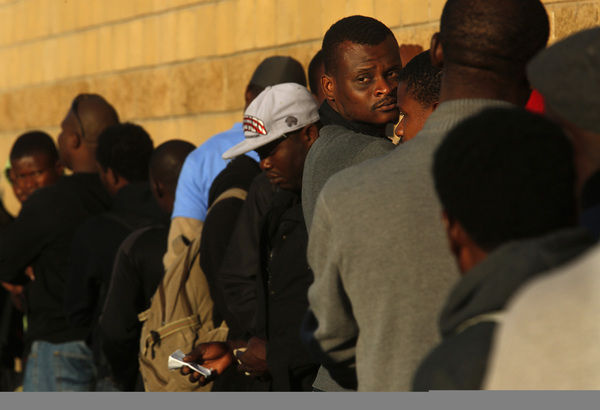
More than a third of the detainees in California immigration holding centers in September were from outside Latin America, U.S. officials say.
As they traverse a circuitous and dangerous path up the spine of South America, Central America and Mexico, they have strained resources along the route and presented new challenges for securing America's southern border.
They have opened a dramatic new chapter in the long story of immigration to the New World. Whereas earlier generations arrived on ocean liners from Europe or on small boats from across the Caribbean, these would-be Americans are tapping networks long used to funnel drugs and migrants overland into the U.S. from Latin America.

Unlike the millions who have traveled over the years from Mexico and Central America, many of those now arriving at America's southern border are flying across oceans and launching their journeys from deep in South America, across terrain of unimaginable difficulty.
Many say they attempted their trips _ by foot, bus, boat and donkey across up to 10 international borders _ because they felt unwelcome in Europe and hoped for better luck in the United States.
By the time they reach America's door, they have navigated jungles populated by poisonous snakes and narco-traffickers, highways patrolled by corrupt police and borders overrun by predatory smugglers. They whisper stories of robbery, killings, rape and drownings.
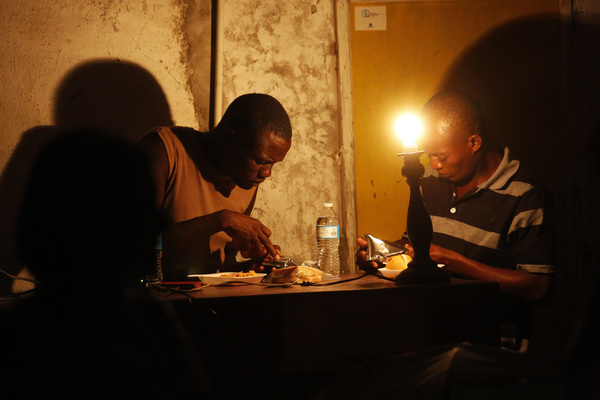
Many finally reach the U.S. after months of hardship, only to be loaded onto planes and sent back home.
The number of long-distance migrants arriving here in Tijuana pales in comparison with the hundreds of thousands of Latin Americans who pass through each year.
But the surge is challenging authorities on both sides of the border, who face difficulties accommodating so many people, languages and cultures.
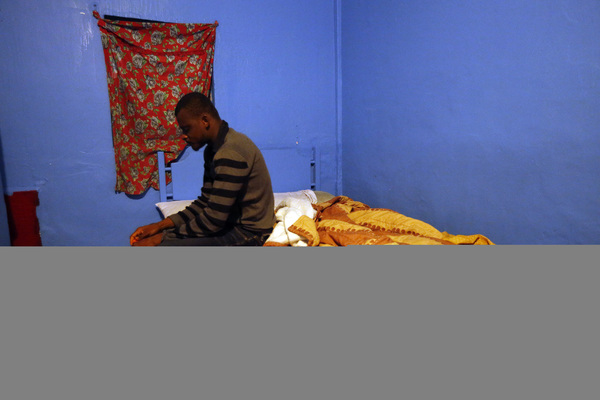
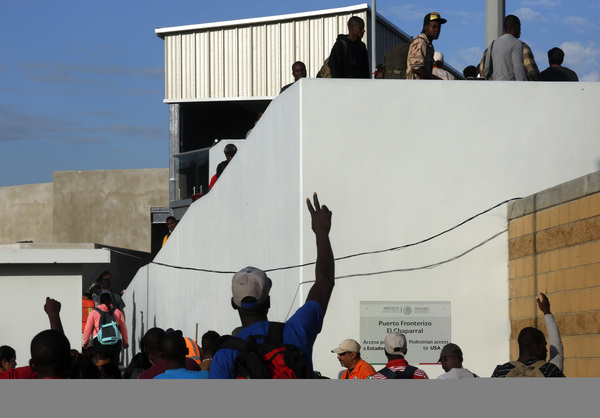
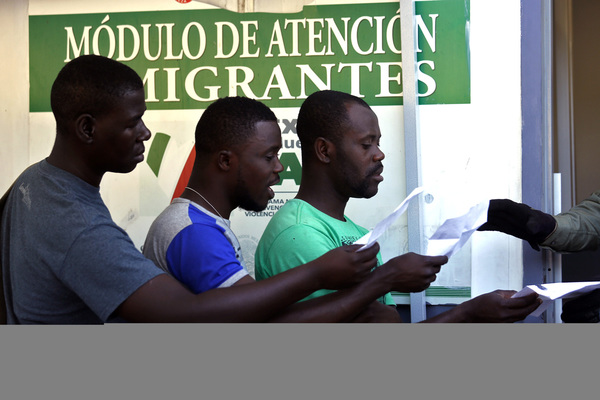
By the fall, the bottleneck at the border had stretched the wait time to see an American immigration official from days to weeks. Today, 4,000 people from outside Latin America are languishing in Tijuana and Mexicali, hoping to enter the United States.
The biggest number in this new wave of international migrants is from Haiti. More than 5,000 Haitians have shown up at California ports of entry without visas and been deemed "inadmissible" since October 2015, a huge increase over the 336 who arrived the previous fiscal year.
The impoverished island nation was devastated by two major disasters in the last six years: an earthquake in 2010 that killed at least 220,000 people and left more than a million homeless, and a hurricane in October that leveled up to 80 percent of some coastal areas.
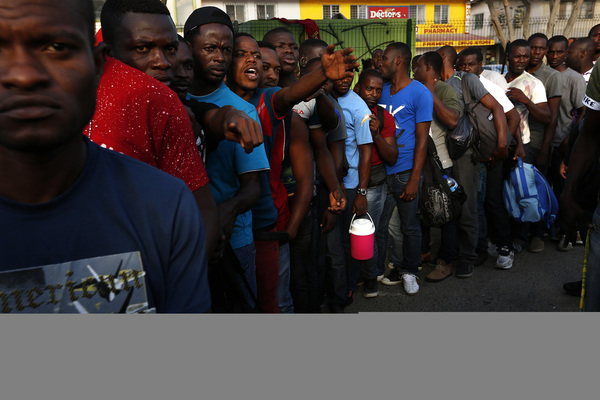
But the large numbers of Haitians showing up in California were a surprise. For decades, those seeking to reach the U.S. negotiated 700 miles of ocean on rickety boats, most often landing in Florida. Why, officials wondered, choose a route that is 10 times longer?
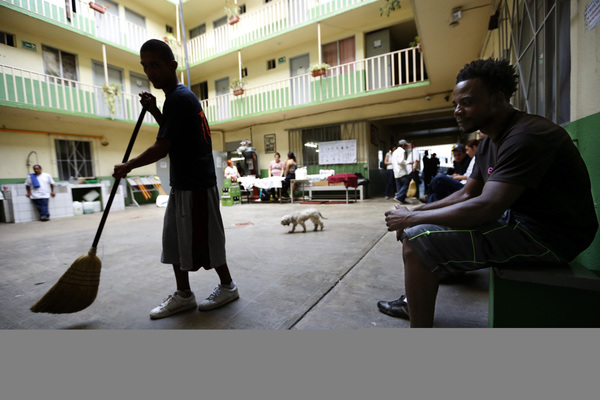
The sounds of French and Haitian Creole now mix with Spanish and English in Tijuana's shelters, which only a year ago were filled mainly with migrants from Central America and Mexicans recently deported from the U.S. The influx has overwhelmed the capacity of local nonprofits to help.
"We're at breaking point right now," Murphy said. "We never imagined it would go on for more than two or three weeks."
Thousands more migrants are said to be on the way.