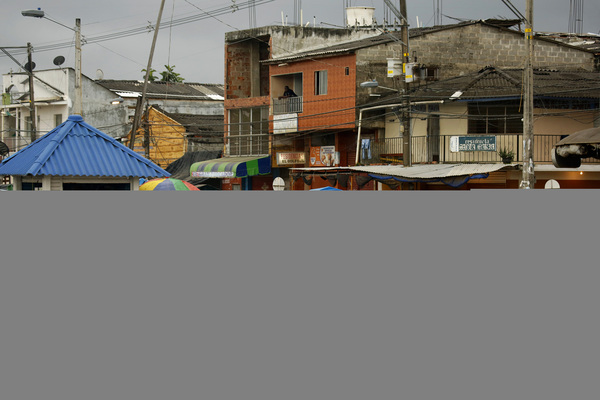
TURBO, Colombia _ The day began with a crack of lightning over Turbo, a Colombian port city built along a murky, trash-strewn bay.
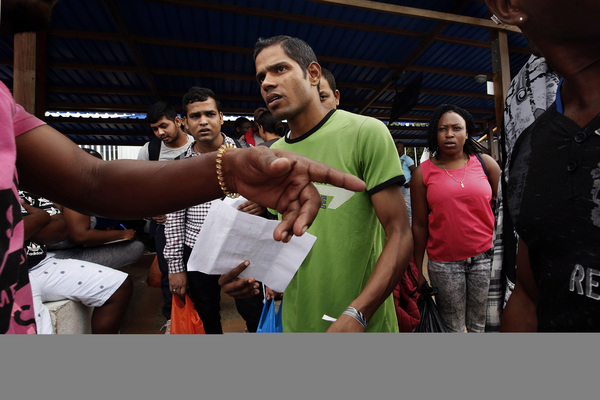
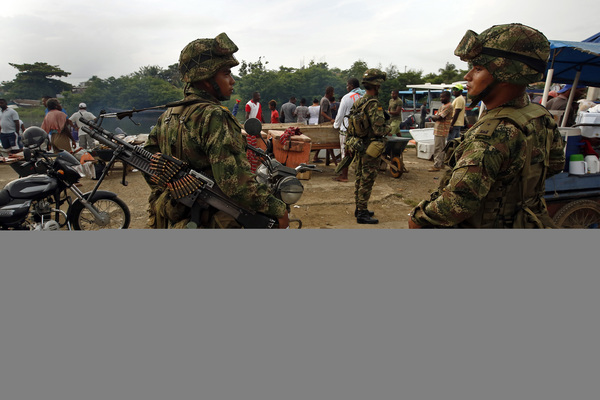
Once the site of gun battles between leftist guerrillas and paramilitary groups, the city's narrow streets now swirled with all types of commerce: Shirtless men hauled timber to the docks. Women hawked freshly gutted fish. And smugglers offered their services to migrants from all over the world on their way to the United States.
"Every day they come," said Emelides Munoz Meza, a local official who has found himself consulting maps of the world to understand where some of the thousands of foreigners making their way through his city have journeyed from.
"Eritrea? I didn't even know this country existed," Munoz said.
The flow of migrants arriving in Colombia without visas has increased dramatically over the last three years. Some 9,500 of them transited the country in the first half of 2016, more than double last year's levels and four times the number detained in 2014.
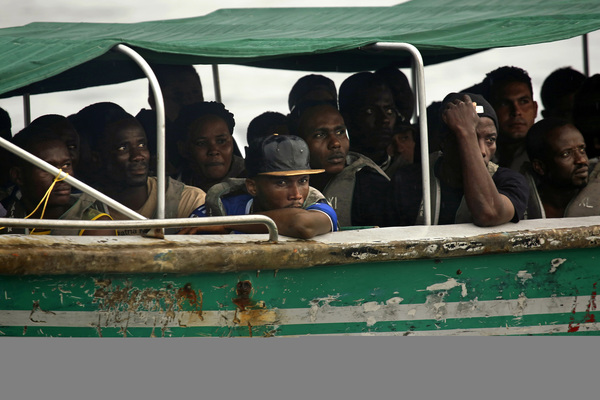
They are part of an unprecedented wave of global migration that has seen millions of refugees descend on Europe, fleeing poverty, persecution and war. Now, with migrant ships sinking in the Mediterranean and violent attacks in Europe, a rapidly growing number of migrants from Haiti, Cuba, Asia, Africa and the Middle East are making journeys of unimaginable difficulty up through South and Central America _ dreaming of setting foot one day in the United States.
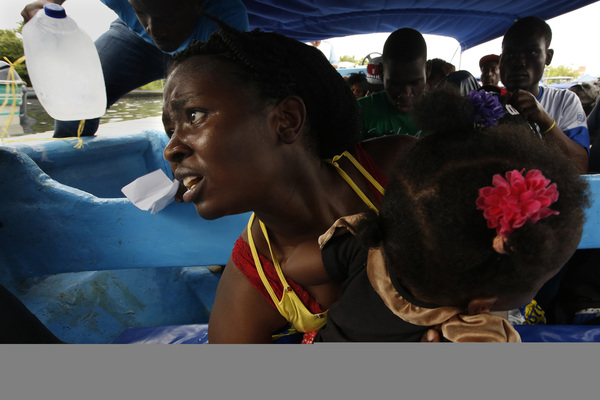
With a population of 163,000, Turbo is Colombia's last major outpost of civilization before the border with Panama. Migrants come here to gather supplies and rest up before boarding boats across the gulf to a tiny Colombian border town where they begin their hike through the dense jungle that straddles the Panamanian frontier.
In recent years, Turbo has become a kind of 21st-century Casablanca, the Moroccan town where European refugees fleeing Hitler waited for transport to the U.S. seven decades ago.
A babel of languages mix on the streets. In the dark hallways of seedy hotels, migrants crowd around every available electrical socket, charging their phones while they type on WhatsApp to loved ones back home.
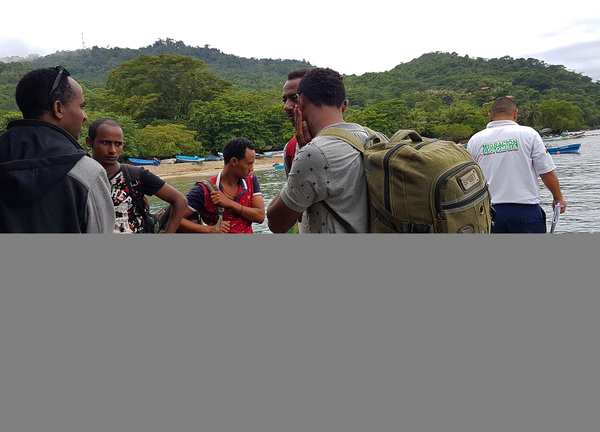
Fishale Haile, the 26-year-old son of sorghum farmers in Eritrea, had arrived the night before after a two-week bus trip through South America that began in Brazil.
That morning, he was frantically scouring the shops of Turbo in search of supplies for the trip ahead. His backpack had been stolen on the long bus ride, and in it were the clothing, shoes and jackets he'd packed.
All he had left were the baggy jeans and black T-shirt he was wearing and a small leather satchel. It contained his phone, identity documents and a framed poem in English that he had bought for his girlfriend in Eritrea, a hopeful gesture in a long journey with an unknown ending.
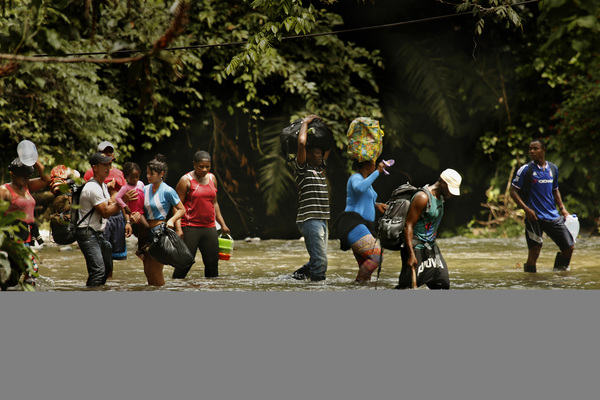
When he got nervous, he rubbed his fingers along his left forearm, where he had recently tattooed a mantra.
"Never look back," it said in black cursive script.