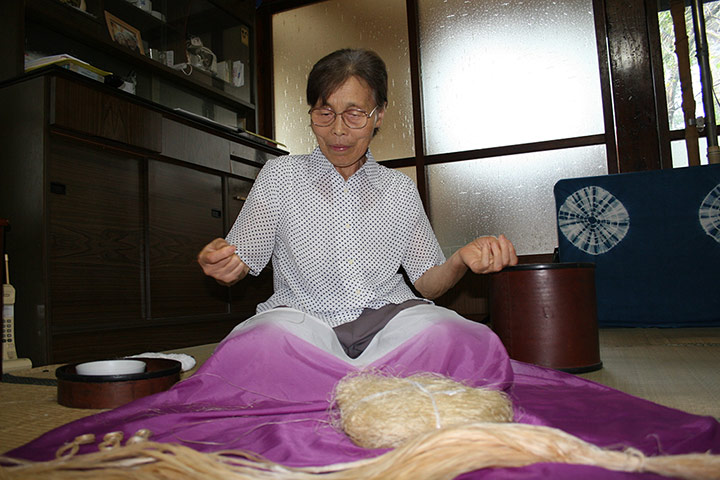
Finished kimonos: to get from the original silk cocoon to the final product involves more than 1,000 stepsPhotograph: Pam SkinnerEach individual kimono and its accompanying obi (sash) are a work of art in their own rightPhotograph: Pam Skinner80-year old Setsco Arakawa prepares the threads for weavingPhotograph: Roland Buerk
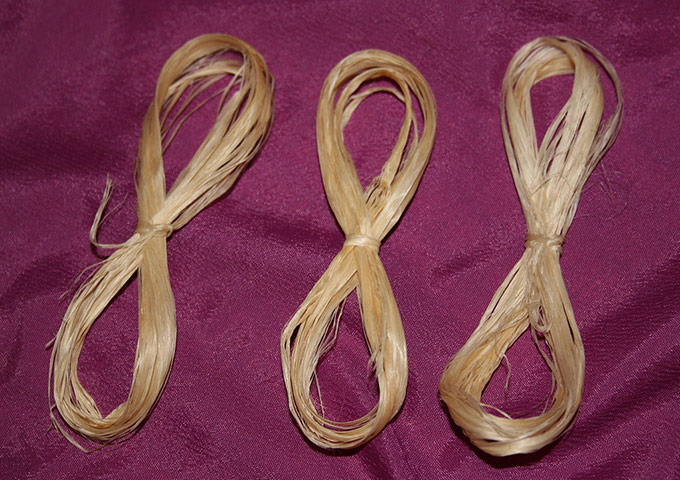
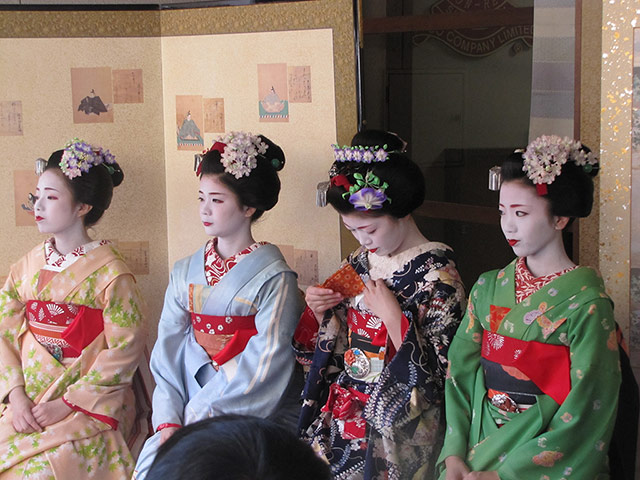
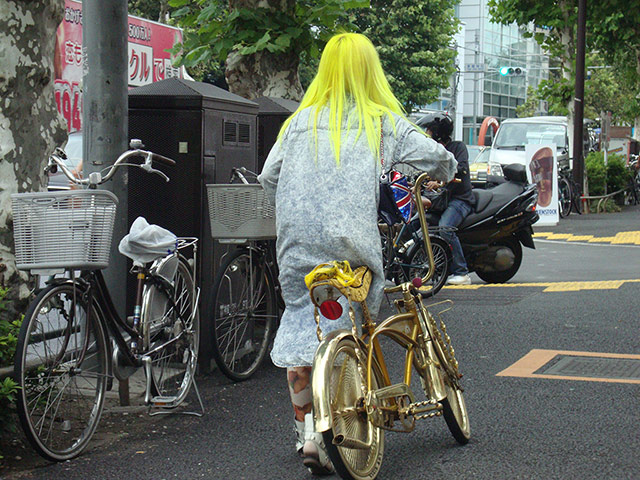
Kimono silks on loomsPhotograph: Pam SkinnerA maiko, or apprentice geisha, performing a traditional Japanese tea ceremonyPhotograph: Ruth EvansEchigo jofu, the fibre used for kimonos, is made from very thin thread taken from the stalks of ramie plants Photograph: Roland BuerkA handwoven obi can take more than three months to make; each one is signed by the makerPhotograph: Pam SkinnerA nishijin weaver in Kyoto. Nishin is a region near Kyoto, where the fabric is traditionally producedPhotograph: Pam SkinnerApprentice geishas (maiko), dressed in their kimonosPhotograph: Ruth EvansDetail from a hand-painted kimonoPhotograph: Pam SkinnerHand-painted kimono fabrics by artist Kihachi Tabata are some of the sought-after in KyotoPhotograph: Pam SkinnerA maiko dance classPhotograph: Ruth EvansThe japanese department store Mitsukoshi has a department for children's kimonosPhotograph: Ruth EvansIn the Harajuku area of Tokyo, young people prefer wearing more modern clothes; kimonos are out of fashionPhotograph: Pam Skinner
Sign up to read this article
Read news from 100’s of titles, curated specifically for you.