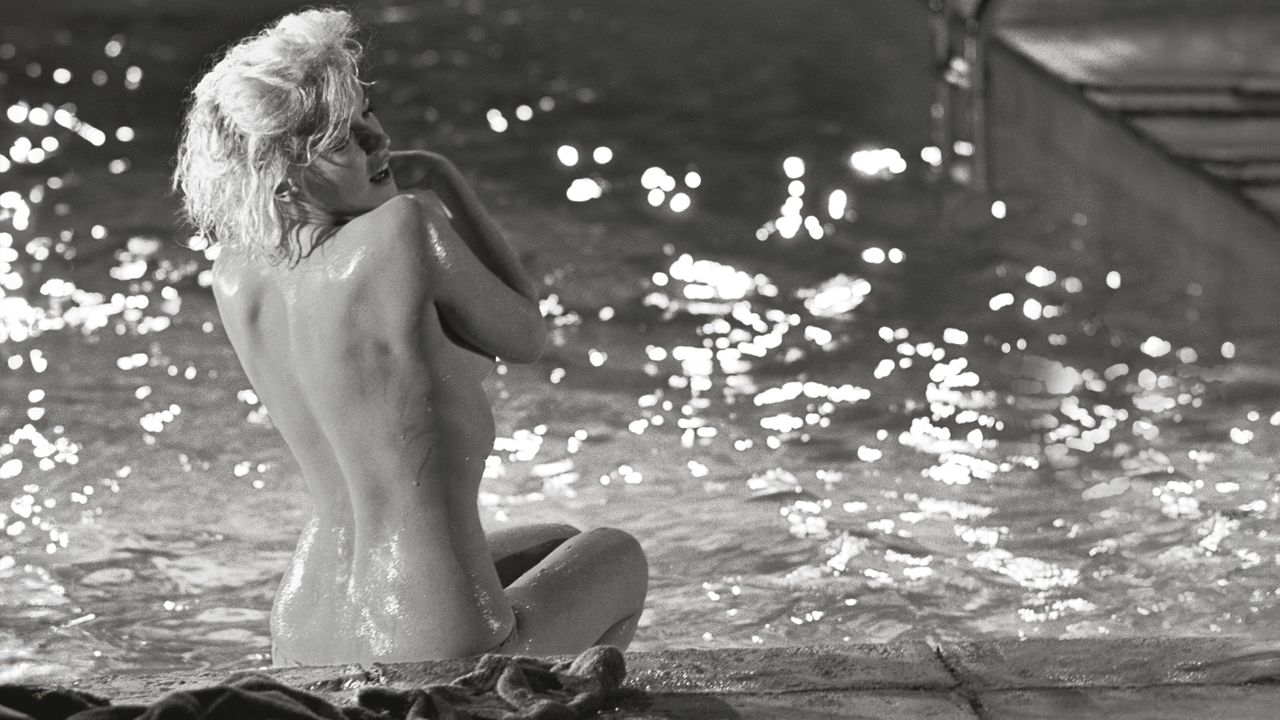
In May 1962, Lawrence Schiller was 25 and on assignment for Paris Match when Marilyn Monroe, wearing only a flesh-coloured two-piece that amounted to a bra and panties, climbed into a pool on the set of her last film, Something's Got to Give, and proceeded to remove it.
Schiller had two motorized Nikon SLR cameras around his neck. One sporting a 180mm lens and loaded with Tri-X black and white film; the other a 105mm and high-speed Ektachrome color slide film. He shot 16 rolls of black and white and three rolls of color in a session that lasted two hours.
Within weeks, those images had appeared on the cover of Life and the front pages of publications across the world. They earned Schiller and his shooting partner Billy Woodfield the biggest payday any photographer had received to that date.
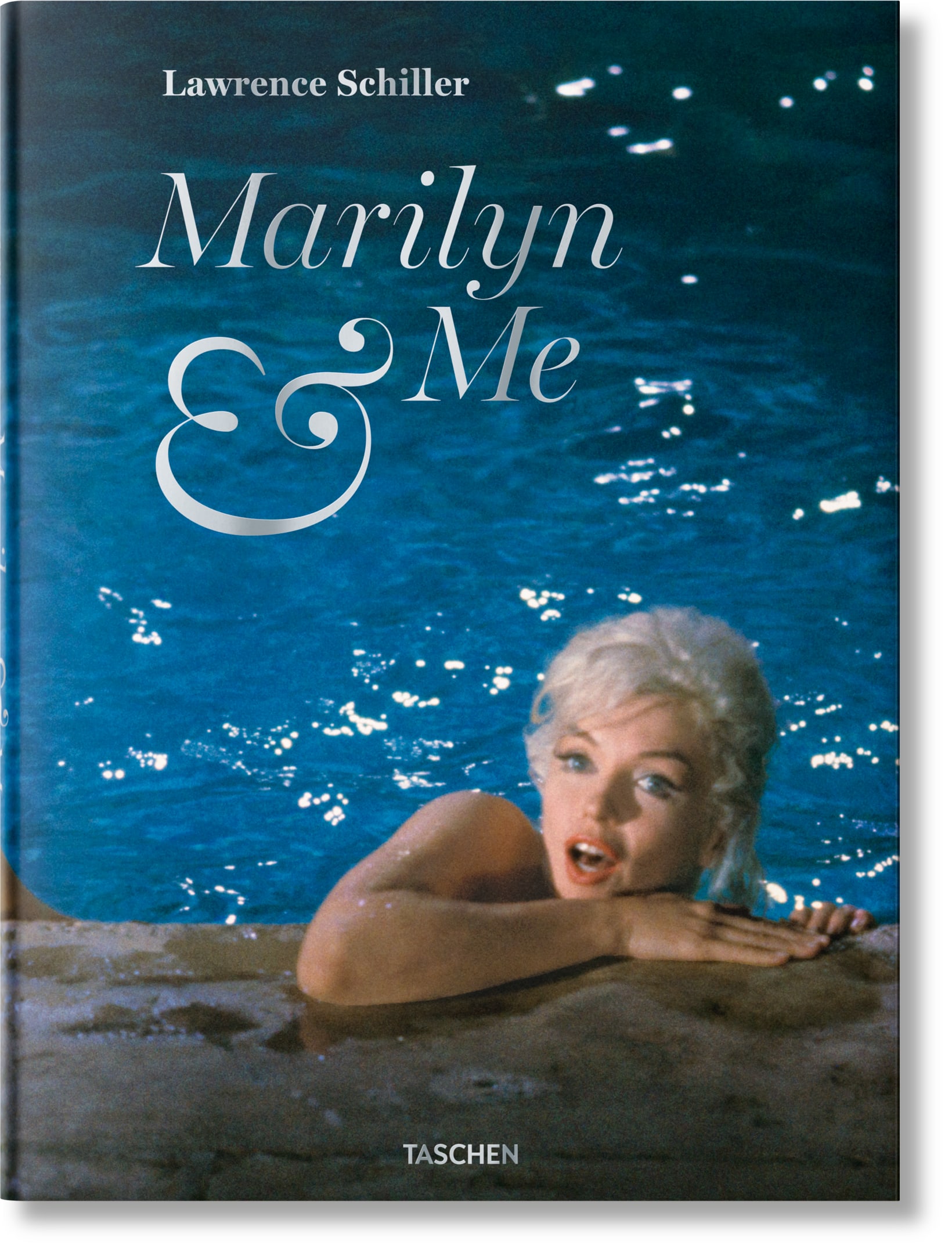
Marilyn & Me, re-released by TASCHEN to mark what would have been Monroe's 100th birthday, is the memoir Schiller wrote about his time photographing her across 1960 and 1962. It's a remarkable book, and not only for the photographs. It's also one of the most lucid and unsentimental accounts of how magazine photography actually worked in its golden age.
Granular honesty
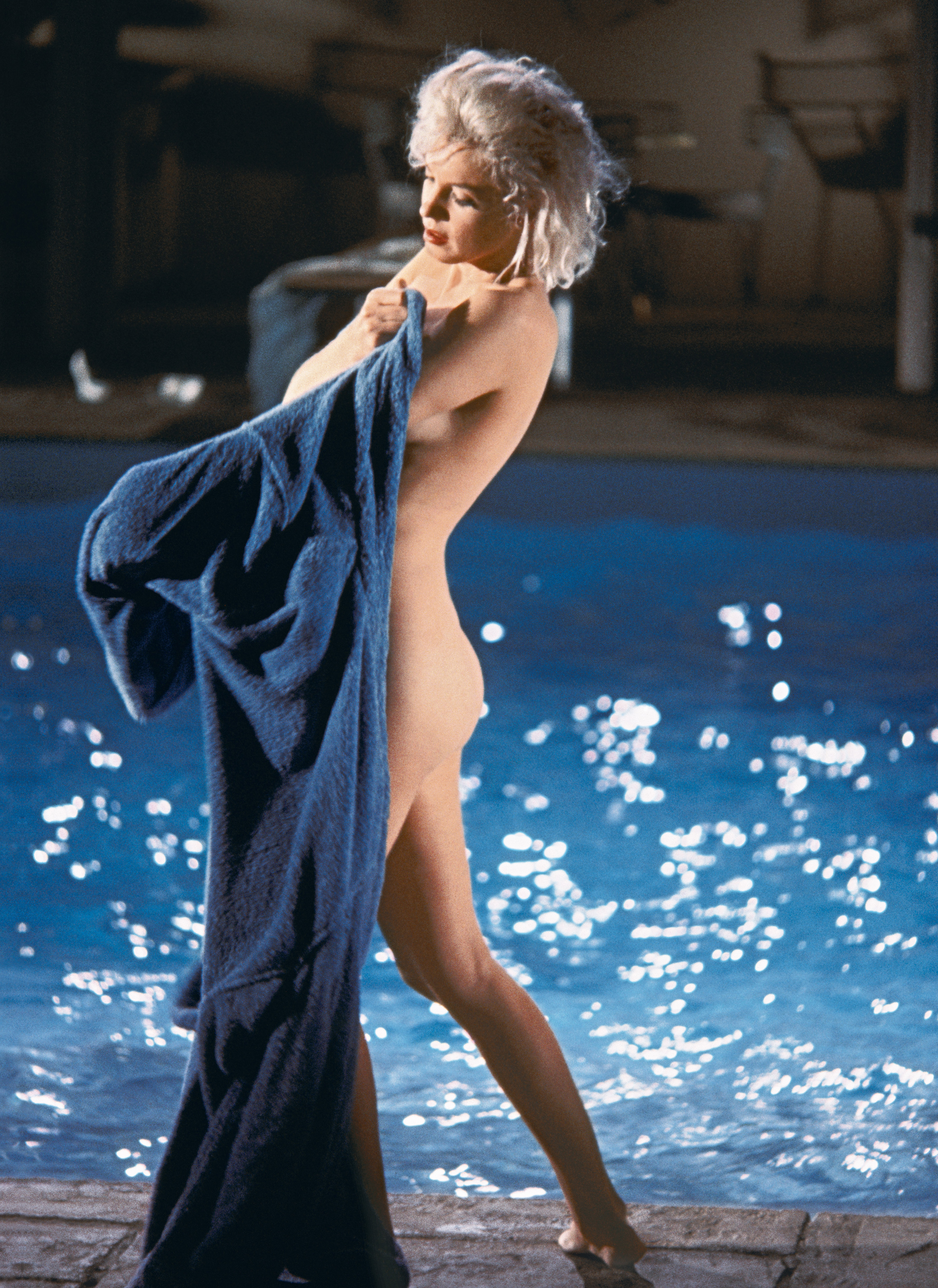
What makes Schiller's account so valuable for photographers is his granular honesty about the mechanics of the job. He describes adjusting his cameras constantly throughout the pool sequence, checking exposure, checking shutter speed, moving to keep the key lights producing the right highlights. He explains exactly what film stocks he used and why.
He recounts his decision to show Monroe the proof sheets on enlarged 16x20 prints rather than standard contact sheets, because she had poor eyesight and sometimes crossed out images simply because she couldn't see them clearly.
He describes how Monroe herself understood light better than most photographers he'd worked with: on their first encounter in 1960, during the filming of Let's Make Love, she spotted that he wasn't closing his left eye as he shot and asked why. He told her he was blind in it. She'd noticed something about his technique no subject had mentioned before.
Subject as collaborator
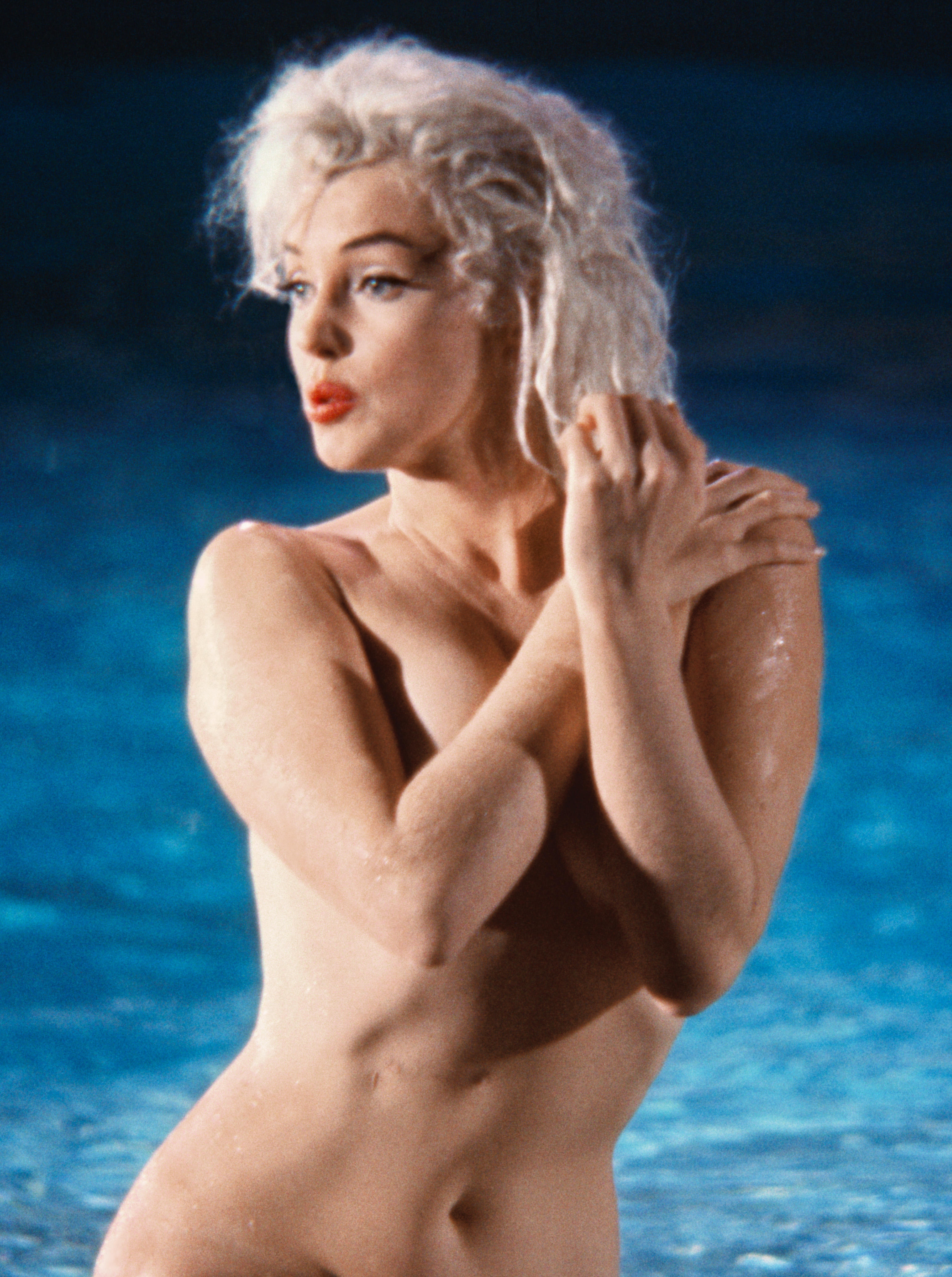
One of the persistent revelations of the book is how actively Monroe participated in the making of her own photographs. She had final approval on all images, and she exercised it with a precise understanding of what worked and what didn't.
She told Schiller she wasn't interested in the best angle for her face in isolation; she wanted to know how the whole picture looked. On the pool sequence, she approved all but one of his black-and-white images, rejecting a shot where the muscles in her legs were too prominent. Of the color frames, she reviewed them by holding strips up to a streetlamp, cutting the ones she didn't want with pinking shears, and approved 38 out of roughly 108.
She also understood the commercial logic of exclusivity better than some of the agents and editors Schiller was dealing with. When he told her his plan to control the worldwide release of the pictures, she backed him up, insisting that no magazine could run them before Life. When he suggested that having Elizabeth Taylor in the same issue would diminish the impact, she made it a condition of approval.
What the images reveal
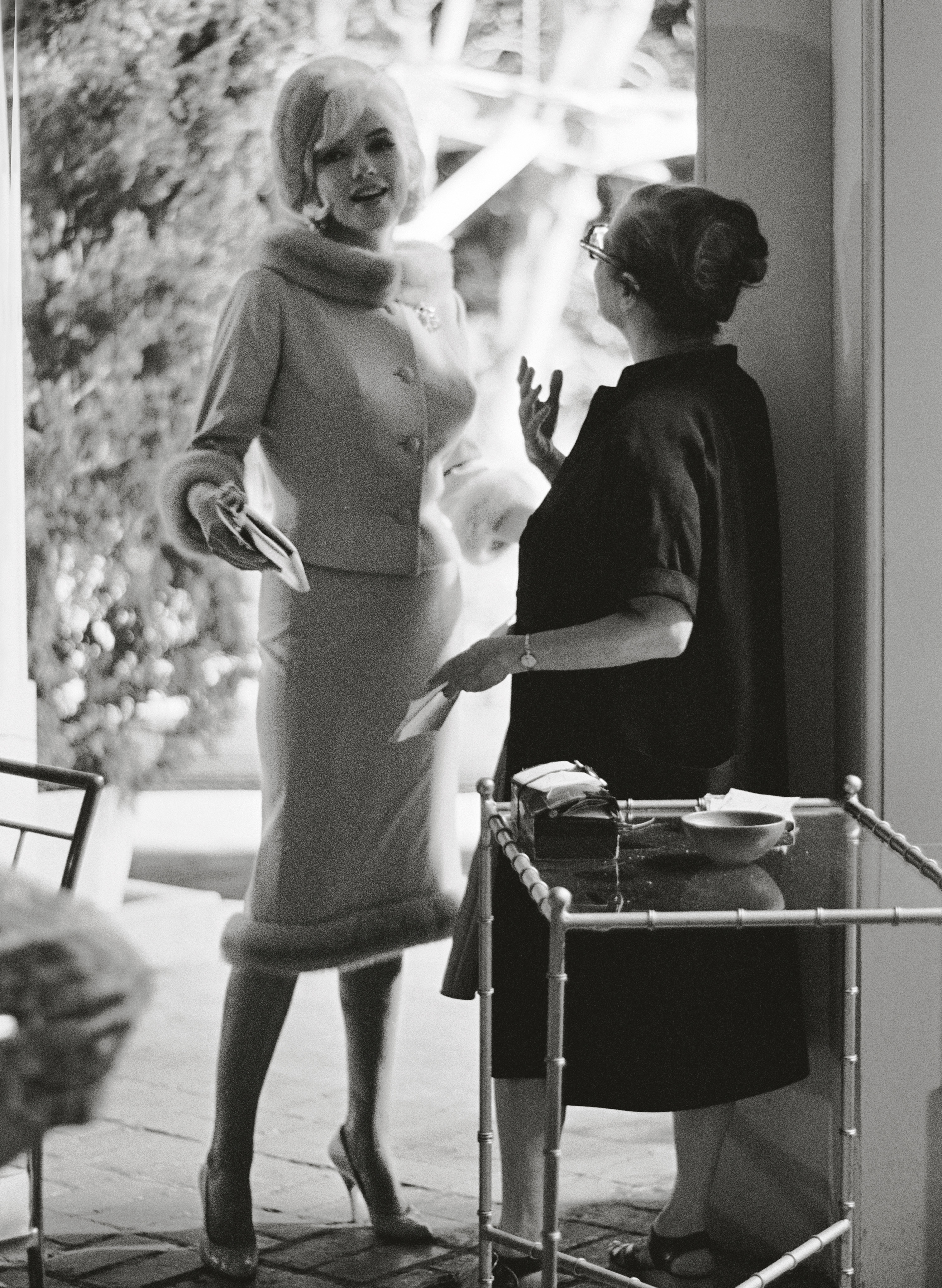
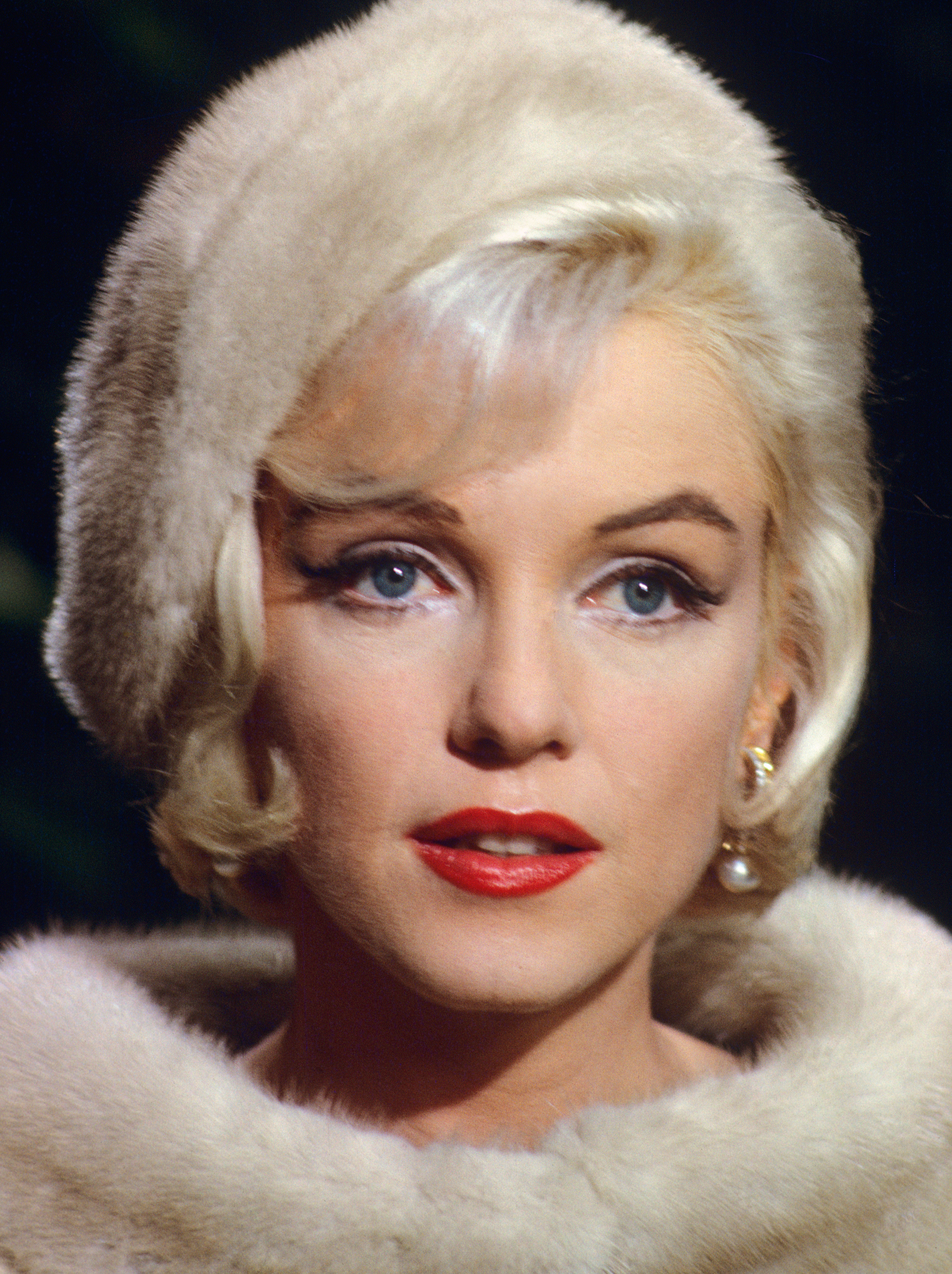
The pool sequence that Schiller describes is the heart of the book, but the images that linger are the quieter ones. Monroe in her dressing room, relaxed and unguarded; Monroe with her acting coach Paula Strasberg, who sits just inside the frame in her habitual black cape; Monroe in the golden fur cap she wore for her final scenes, looking, as Schiller writes, as if she were breathing in a little more air.
That last image became the cover of Life's memorial issue after Monroe died on August 5, 1962, three months after Schiller last saw her. He didn't know it would be the last time.
The final photograph Schiller took of Monroe alive was on the morning of August 4, the day before her death. She was in the front garden of her Brentwood home, on her knees, doing something with the flowers, her hair uncombed, no makeup, wearing light-colored slacks.
He'd driven over to return some prints and to hear from her directly whether the Playboy deal she'd apparently declined was really off. She wasn't very friendly, he says. She seemed impatient. He handed her an envelope and left. The next morning, Billy Woodfield called him before 7am.
Lawrence Schiller. Marilyn & Me is published by TASCHEN, costing $80 / £60.