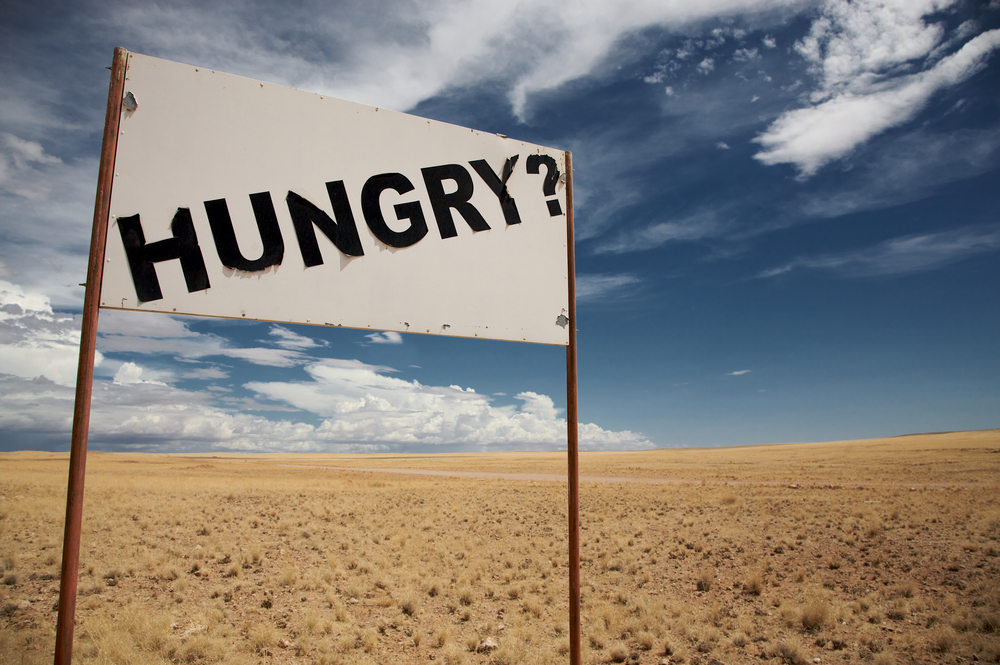
Food deserts are creeping back into suburban neighborhoods that once prided themselves on convenience and variety. The idea that residents in these areas can’t easily reach fresh, affordable food sounds outdated, but it’s happening again. Rising costs, store closures, and uneven development have created pockets where grocery options have thinned out. It matters because access to fresh food shapes health, budgets, and entire communities. When a suburb becomes a food desert, the ripple effects reach schools, small businesses, and local farms. This growing problem reshapes how families eat and live.
1. Shrinking Grocery Options
Many suburban towns once had several grocery stores within a few miles. Now, some have only one or none. The return of food deserts to suburbs often starts when big chain stores close underperforming locations. Smaller independent grocers struggle to fill the gap because competition and rent costs are steep. Residents who rely on public transportation or fixed incomes feel the loss first.
Without a nearby grocery store, people turn to convenience stores or fast-food outlets. These places rarely offer fresh produce or affordable staples. Over time, habits change and diets suffer. The shift doesn’t happen overnight, but once a store closes, it’s rare for another full-service grocer to open soon after. The result is a slow slide into limited choice and higher prices.
2. Rising Costs and Uneven Development
Suburban growth often favors new retail centers or housing projects, not grocery access. Developers chase profit margins, and supermarkets require large footprints and steady traffic. When new neighborhoods pop up without a nearby grocery anchor, residents end up driving farther for food. That pattern fuels the return of food deserts in suburbs that look prosperous on paper but lack essential services.
Inflation has made the situation worse. Supply chain issues and higher labor costs have pushed grocery prices up, forcing some stores to cut hours or close locations entirely. A recent analysis from the USDA Food Access Research Atlas reveals that even minor changes in store availability can significantly impact how people shop. The suburban grocery landscape is becoming patchier, leaving certain zip codes underserved.
3. Transportation Barriers
Suburbs were built around the assumption that everyone drives. That assumption is failing. Many older adults, teens, and lower-income families don’t have reliable transportation. When the nearest grocery store is five miles away, a quick trip for milk becomes a logistical headache. Bus routes often don’t align with shopping centers, and rideshare costs add up fast.
This transportation gap deepens the impact of food deserts returning to the suburbs. People with limited mobility or tight schedules end up relying on corner stores or gas stations. Some communities have tried mobile markets or delivery programs, but these are often temporary fixes. Until transportation planning includes food access as a priority, the problem will persist.
4. The Hidden Cost of Convenience Stores
When supermarkets vanish, convenience stores move in. They fill space quickly and offer immediate access—but not the kind that supports healthy eating. Most suburban convenience stores stock packaged snacks, soda, and shelf-stable items with long expiration dates. Fresh produce, dairy, and lean proteins are rare.
The reemergence of food deserts in suburbs means people spend more money on less nutritious food. A family might spend the same amount weekly but get fewer fresh ingredients. Over time, that can lead to higher health costs and lower quality of life. Nutrition becomes a privilege rather than a basic expectation. This quiet trade-off is one of the most dangerous aspects of the trend.
5. Community Responses and Local Solutions
Some towns are fighting back. Local cooperatives and farmers’ markets are stepping in where large chains have left. Nonprofits are partnering with schools and churches to distribute produce boxes and pantry staples. These efforts highlight how communities can reclaim control over their food access. Still, it takes coordination and consistent funding to make these solutions stick.
One promising model comes from Feeding America, which supports regional food banks that partner with local grocers. When executed well, these partnerships reduce waste and ensure food is available to families who need it. But even the best programs can’t fully replace a neighborhood grocery store. The long-term solution requires public policy that treats access to healthy food as infrastructure, not charity.
What Happens Next
The resurgence of food deserts in suburbs challenges long-held assumptions about where poverty and inequality are concentrated. It’s not just an urban issue anymore. The suburban middle class is facing the same access problems that once seemed confined to city centers. As grocery chains consolidate and land costs rise, the suburban food landscape risks becoming even more divided.
Communities that want to prevent food deserts from returning must think creatively about zoning, transportation, and local food systems. The conversation has to include residents, not just developers and corporations. The trend is dangerous because it erodes daily life in ways that are easy to miss until it’s too late. How is your community responding to the shrinking availability of fresh, affordable food?
What to Read Next…
- Where Can You Buy the Cheapest Groceries Suburbs or City
- Growing Food and Flowers at Home Physical and Mental Health Benefits
- Stockpiling Food 101 How to Build a Pantry That Saves You Money and Time
- 5 Secret Grocery Store Hacks That Save You Big Money
- Why Some Millennials Are Ditching Big Chains for Local Butchers and Farmers Markets
The post The Dangerous Trend of Food Deserts Returning to Suburbs appeared first on Grocery Coupon Guide.