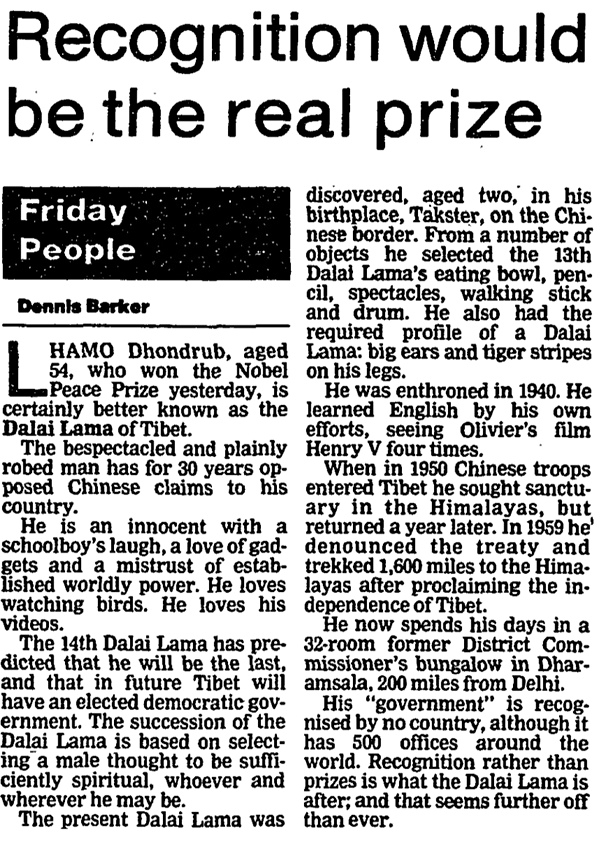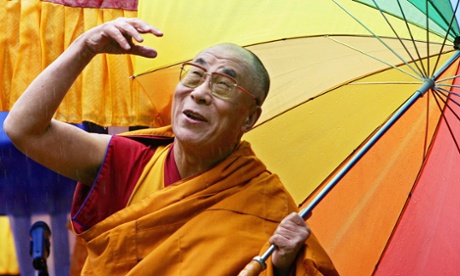
The Dalai Lama, born in 1935, is the spiritual leader of Tibet. Until the 1950s, when communist China took control, he was also head of the Tibetan government.
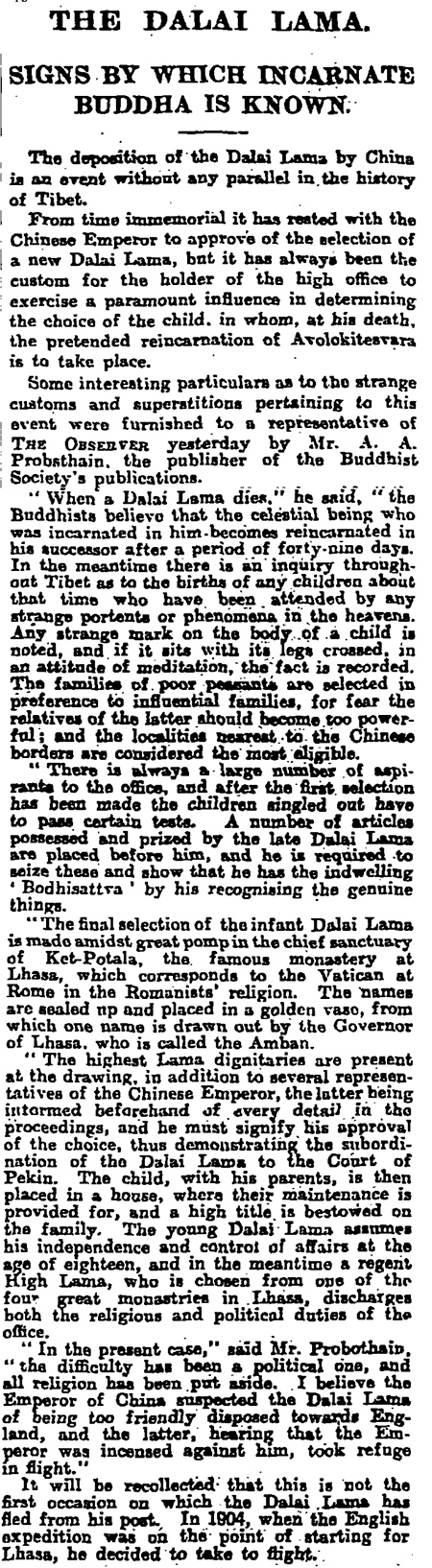
The current Dalai Lama, Tenzin Gyatso, is the fourteenth incarnation. In 1910, when his predecessor was deposed by China and fled to India - pre-empting his own fate fifty years on - the Observer detailed the process of reincarnation by which the Dalai Lama is recognised.

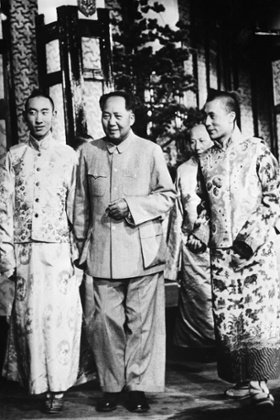
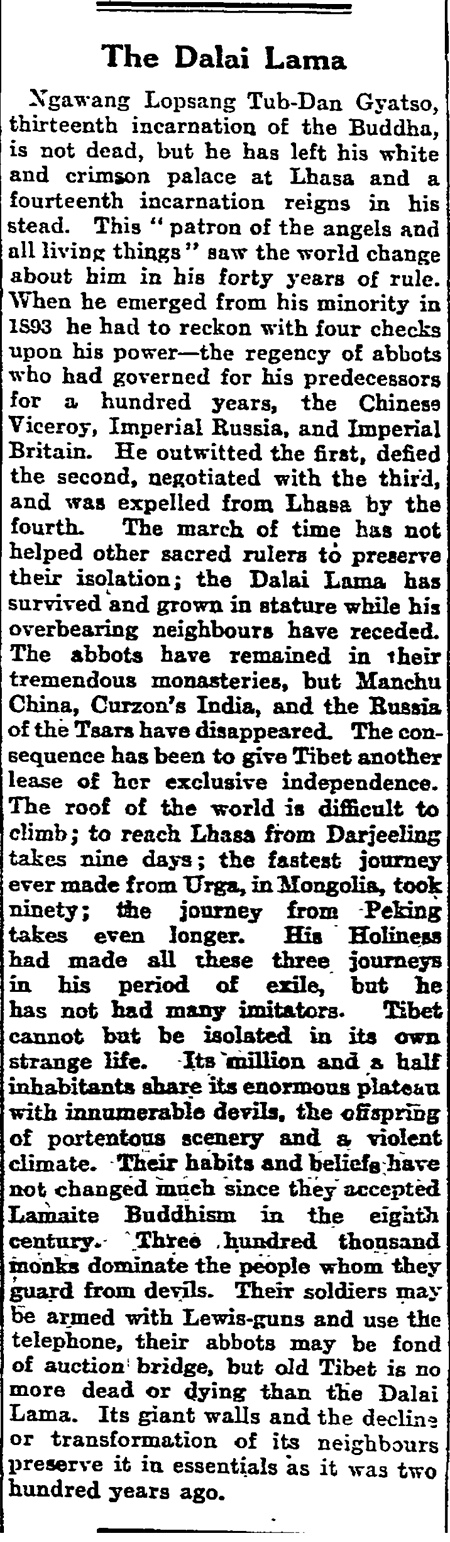
When the thirteenth Dalai Lama died in December 1933, a Manchester Guardian editorial explained that he was ‘not dead, but he has left his white and crimson palace at Lhasa and a fourteenth incarnation reigns in his stead.’
Tenzin Gyatso was enthroned six years later, in an impressive ceremony in Lhasa, though he only formally took his position as Tibetan ruler aged 15, when China annexed Tibet.
Having agreed to measures giving China control over Tibet in 1951, the Dalai Lama worked under Chinese rule for nearly a decade, but in March 1959, when a rebellion broke out, he fled across the Himalayas to India.
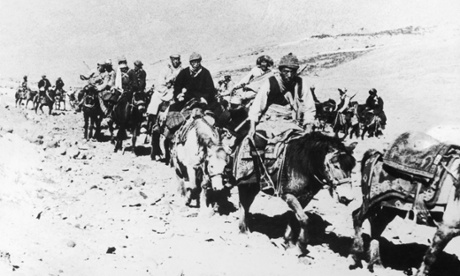
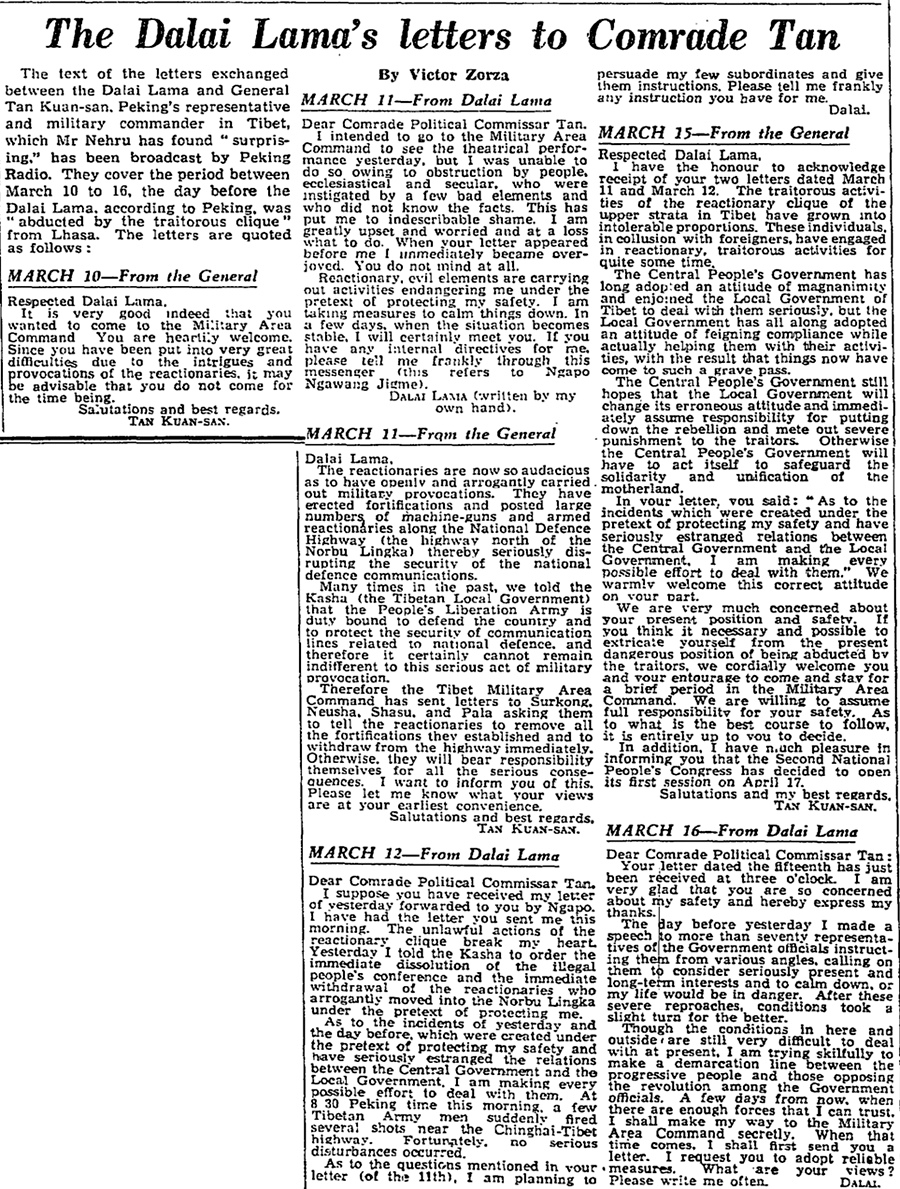
Letters between the Dalai Lama and the Chinese commander in Tibet, broadcast by Peking radio and reprinted in the Manchester Guardian, reveal a leader treading the fine line of diplomacy; China, for their part, initially accused a ‘reactionary, traitorous clique’ of abducting him. A Tibetan government in exile was established in Dharamsala, India shortly afterwards.

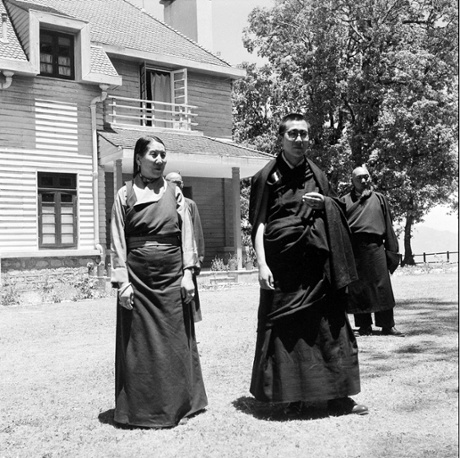
It was his escape to India that set the Dalai Lama on the path to becoming the global figure we know today, touring Western countries and lobbying political leaders for a free Tibet.
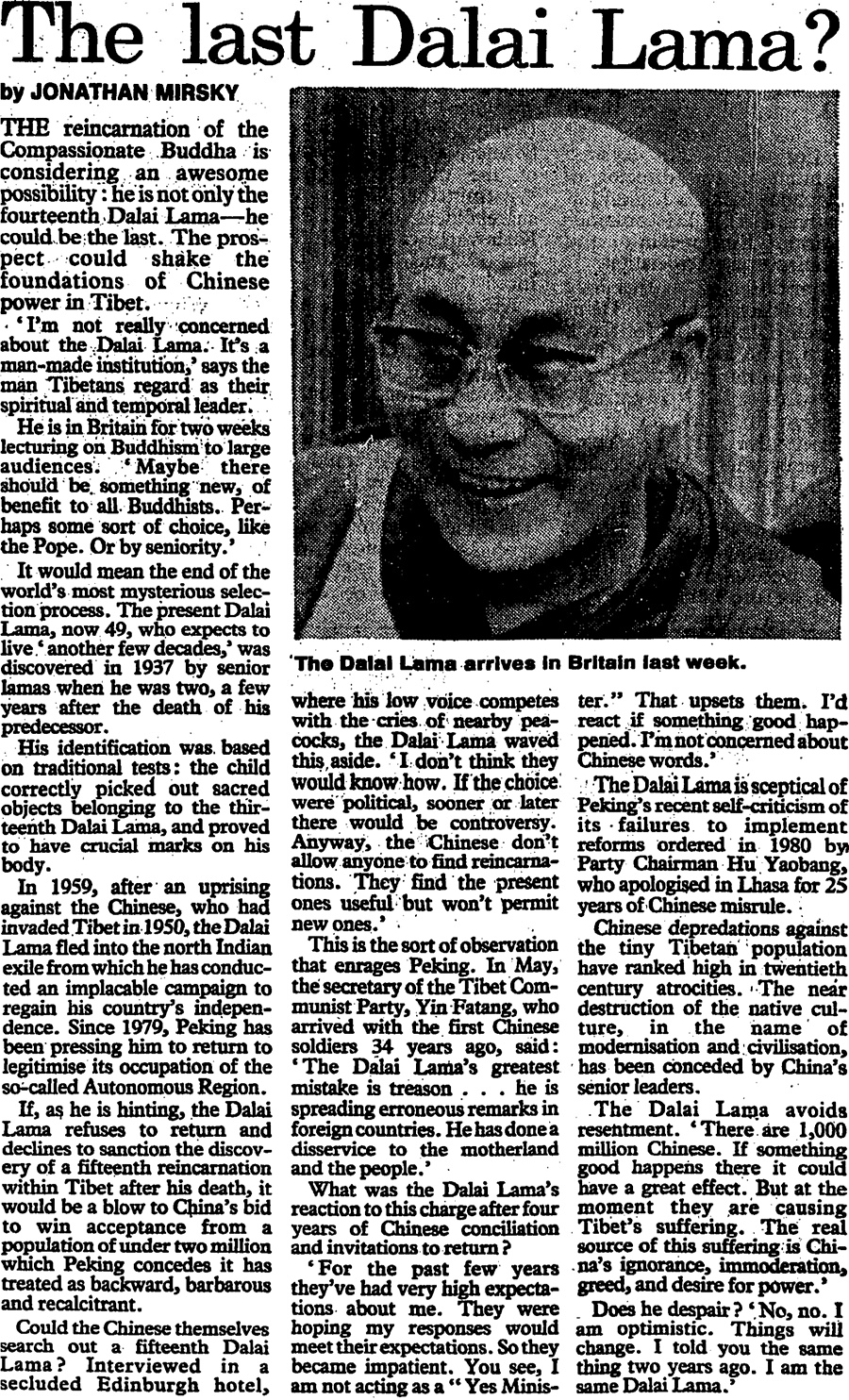
On a visit to the UK in 1984, he suggested he may be the last of his line, calling the Dalai Lama ‘a man-made institution... maybe there should be something new, of benefit to all Buddhists. Perhaps some sort of choice, like the Pope.’

In 1989, he was awarded the Nobel Peace Prize by the committee in Oslo, who cited his efforts to find ‘peaceful solutions based upon tolerance and mutual respect.’ But while the international community may have recognised him, Tibet remains under Chinese control.